Ungewöhnlich großes Parlament: Neuseeland steht nach Wahl vor wochenlangem Machtpoker
Nur ein Sitz trennt das Lager von Ministerpräsident Luxon von der Mehrheit. Doch kleinere Parteien und noch nicht ausgezählte Stimmen könnten die Regierungsbildung auf den Kopf stellen.
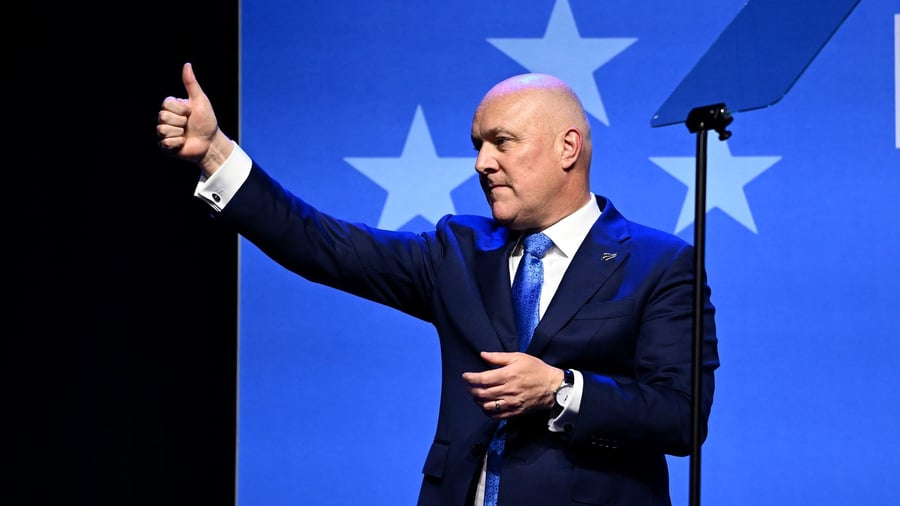
Neuseeland's upcoming parliament will be unusually large, with 131 seats instead of the usual 120, marking the biggest representative body since the proportional voting system was introduced in 1996. However, determining which party will govern remains uncertain as nearly 400,000 additional special votes must still be counted, with results expected by November 27.
The conservative National Party, led by Prime Minister Christopher Luxon, and the left-leaning Labour Party, headed by challenger Chris Hipkins, are currently tied at around 29% each. These special votes, comprising 14% of all ballots, could significantly influence the power dynamics, with many coming from overseas voters and those who voted outside their electoral district.
Historically, these votes have often benefited left-leaning parties. The expansion of the parliament is due to so-called overhang mandates, where a party can retain extra seats if they win more constituencies than their nationwide vote share would warrant. This time, the parliament will grow to 131 seats, necessitating 66 seats for a majority, up from the usual 61.
The rise of the smaller Opportunity Party, led by Qiulae Wong, who secured her first parliamentary seat with nearly six percent of the vote and is expected to receive seven seats, could play a crucial role in government formation. Wong remains open to talks with both political parties. Current seat distribution shows the National Party with 42 seats and Labour with 36, totaling 67 - just one more than required for a majority without the Opportunity Party.
Prime Minister Luxon remains optimistic, stating, "With the current count, we don't need the Opportunity Party to form a government." Labour's position could become more complex, with a New Zealand Herald commentator saying, "A left-wing victory in this election is not impossible, but it looks very difficult." The narrow majority of Luxon's camp could be jeopardized by a few directly elected MPs and the size of the parliament itself.
The government remains in business until the official results are announced at the end of November, and coalition negotiations are expected to pick up pace then. Meanwhile, the population continues to grapple with high living costs, inflation, and rising unemployment, raising questions about voter turnout and the two dominant parties' combined support of only around 58.6% of ballots, a historic low.
Written by urgent.news from Handelsblatt's reporting — not their text. Machine-written — may contain errors; check the original before relying on it.
This story
This is one outlet's version. Read the fullest account.
- Serbia: New Parliament Soon in Serbia – Election Result Confirmed handelsblatt.com