Drones can now be tracked down by mobile networks alone — could this new Ericsson tech spell the end for the current crop of flying UAVs?
Ericsson is developing mobile network technology that detects and tracks drones, with commercial trials planned for 2027 and wider deployment in 2028.
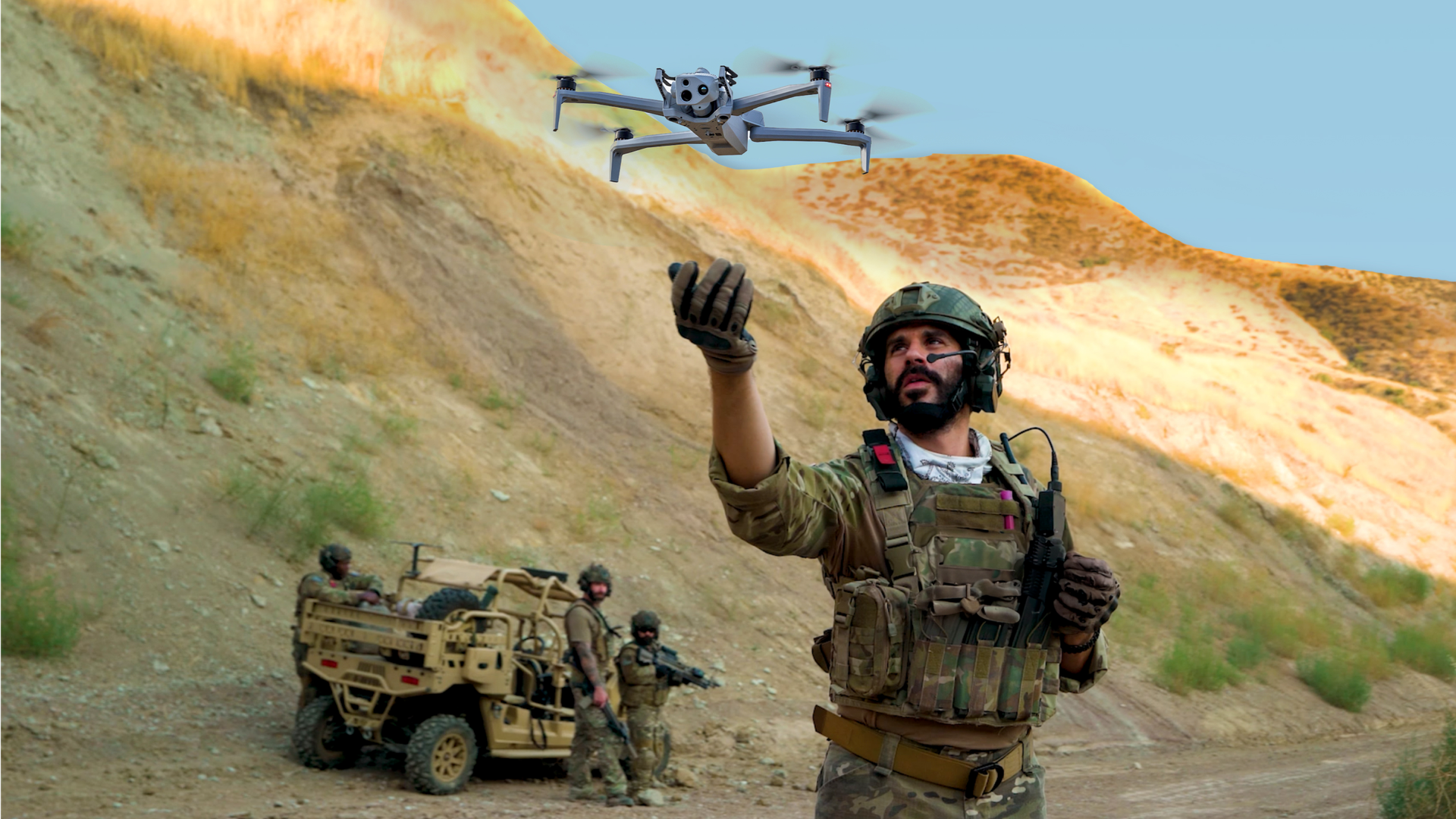
Ericsson has developed a new technology called Integrated Sensing and Communication (ISAC) that allows mobile networks to detect and track low-flying drones without relying on dedicated surveillance equipment. The system analyzes radio signals bouncing off flying objects using existing cellular infrastructure, estimating the drone's position and following its movements by comparing information collected from different locations.
This approach could help identify small, fast-moving aircraft flying near the ground, where conventional surveillance equipment may struggle. AT&T and Erillisverkot have already tested the technology, successfully identifying multiple drones and following their movements in trials conducted in Texas and Finland. As unauthorized drone flights continue to disrupt airports and raise security concerns, Ericsson believes that cellular infrastructure could provide additional surveillance capabilities without the need for authorities to construct separate monitoring networks.
The technology is expected to begin limited commercial trials in 2027, expanding availability to additional customers during 2028.
Brief written by urgent.news from TechRadar's own syndicated text. Machine-written — may contain errors; check the original before relying on it.