Champagner für eine wärmere Welt: Wie zwei Familienbetriebe Klima und Krise trotzen
Die Champagne lebt vom Ruf eines Luxusprodukts. Produziert wird es vielerorts in Familienbetrieben, die mit Hitzewellen, Personalmangel und veränderten Konsumgewohnheiten zurechtkommen müssen. Zwei Höfe bei Épernay zeigen, wie sich das Geschäft verändert.

Champagne is a luxury product that thrives on its reputation. Wineries are found in various locations, including family-owned businesses that face challenges such as heatwaves, labor shortages, and changing consumer habits. Two vineyards near Épernay demonstrate how the industry has evolved. On October 1st, Simon Henry, a young Champagne maker, drives a small tractor through the vineyards of Brugny-Vaudancourt, south of Épernay.
Visitors accompany him as he meanders through the grapevines. The first leaves turn yellow and red, but some grapes remain on the vines. Simon explains why they were left for the birds: they were not yet ripe and were picked by birds in August. Looking out over the valley, he points out some of the most beautiful views in Champagne.
Beyond Épernay, the main town in the Marne Valley, two more wine regions stretch out: Montagne de Reims and the Côte des Blancs. Simon's family cultivates Pinot noir and Chardonnay grapes here. Some of the vines are over fifty years old. Since 1955, the Henry-Bourdelat winemaking family has produced their own Champagne. Today, three generations work at the vineyard: grandfather, father, and three sons.
This is a far cry from the famous houses whose names are emblazoned on grand façades in Épernay. At Henry-Bourdelat, the future manager works with his hands, explaining to guests which grapes will end up in the glass. Hitherto, the hottest summer on record had arrived as early as August 14th, with temperatures soaring above 42 degrees in parts of France.
The winemakers at the Marne Valley began picking their grapes unusually early. Simon's father, Thierry Henry, notes that thirty years ago they would normally have started picking in the first half of September. The heat accelerated the ripening process and the drought made berries smaller than usual. Overall, the Champagne region saw a 49 percent drop in harvest compared to the previous year.
Meanwhile, the sugar content rose to levels that concern Simon. The juice typically contained about 200 grams of sugar per liter, but in some cases, measured as high as 250 grams. This could result in base wines with 13 instead of 11 percent alcohol. The second fermentation in the bottle, which creates carbon dioxide, further increases the alcohol content.
Initially, winemakers welcomed the heat, as it allowed them to harvest ripe grapes. However, they now focus more on preserving the freshness of the wine, as the heat is causing the overripe grapes to lose acidity. So, can consumers expect stronger Champagnes in the future? French authorities temporarily raised the allowable alcohol limit from 13 to 15 percent for the 2026 vintage.
Simon explains that blending wines of different varieties and years can help mitigate the differences to some extent. He also holds hope for research into new yeasts that can convert sugar into alcohol with less carbon dioxide. In the cellar, the young winemaker demonstrates the extensive work involved in turning a harvested grape into a finished bottle of Champagne.
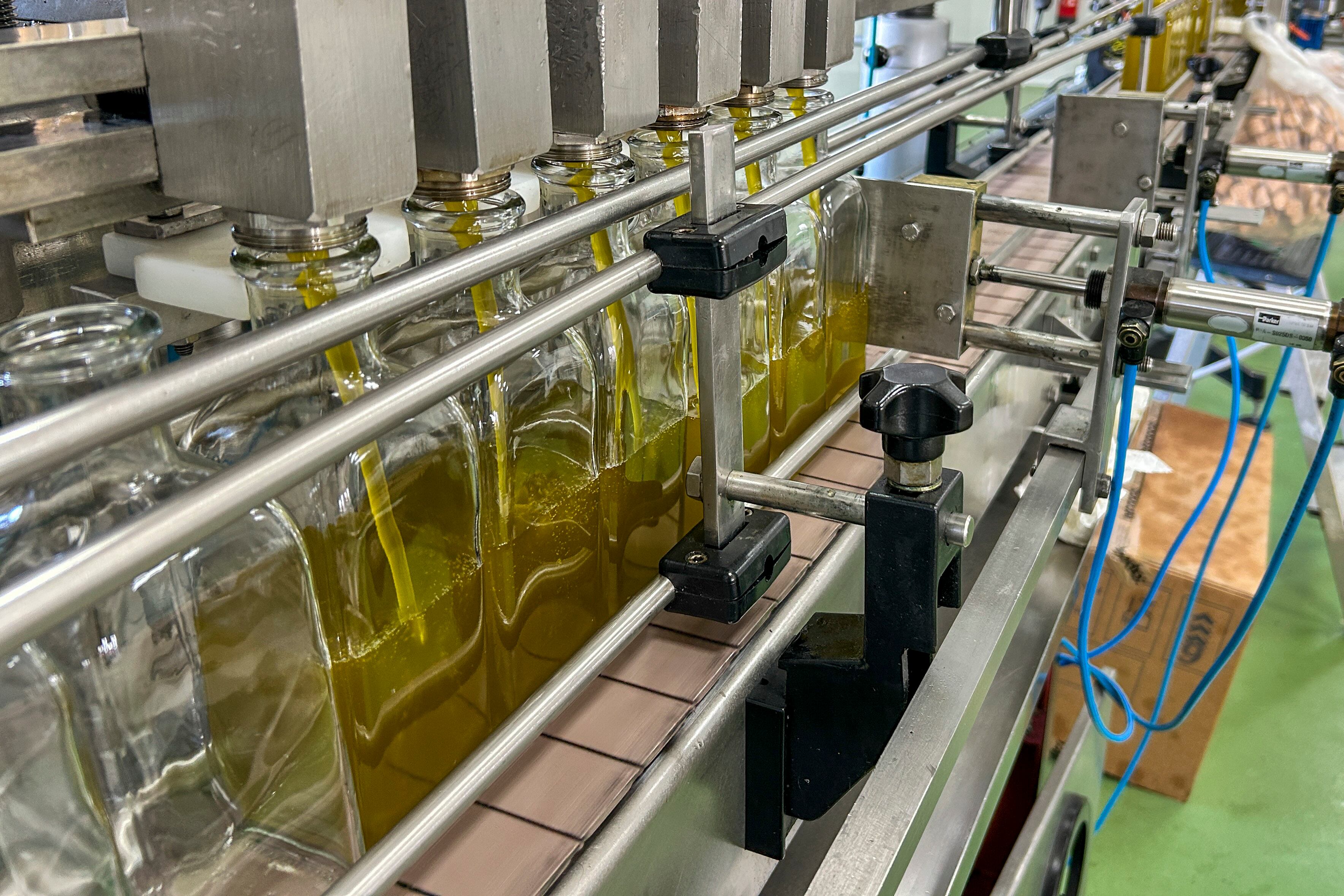
After the initial fermentation, the base wine is aged in tanks before being filled into bottles with yeast and sugar, where it undergoes a second fermentation. Finally, the wine is ready to be aged. With around 30,000 bottles per year, Henry-Bourdelat is one of the smaller producers in the Marne Valley. Their clientele is almost exclusively private customers, with two restaurants making up the rest of the demand.
Winemaking is not an export industry, says Thierry Henry. In fact, American tariffs, which have been a major concern for large exporters, are not a concern for Henry-Bourdelat. The U.S. imposed a 15 percent import duty on European sparkling wine in June, and even threatened a 200 percent duty. For the industry, this would have been devastating: almost 17 percent of all exports go to the U.S.
Written by urgent.news from NZZ Wirtschaft's reporting — not their text. Machine-written — may contain errors; check the original before relying on it.