Beijing’s latest property stimulus falls short in lower-tier-cities
Beijing’s latest property stimulus package has failed to stop a downward spiral in home transactions and prices in mainland China’s lower-tier cities, which could prompt top regulators to roll out stronger incentives to reinvigorate the weak market. According to data compiled by the China Real Estate Index System (CREIS), prices in the country’s third- and fourth-tier cities dropped 2 per cent…
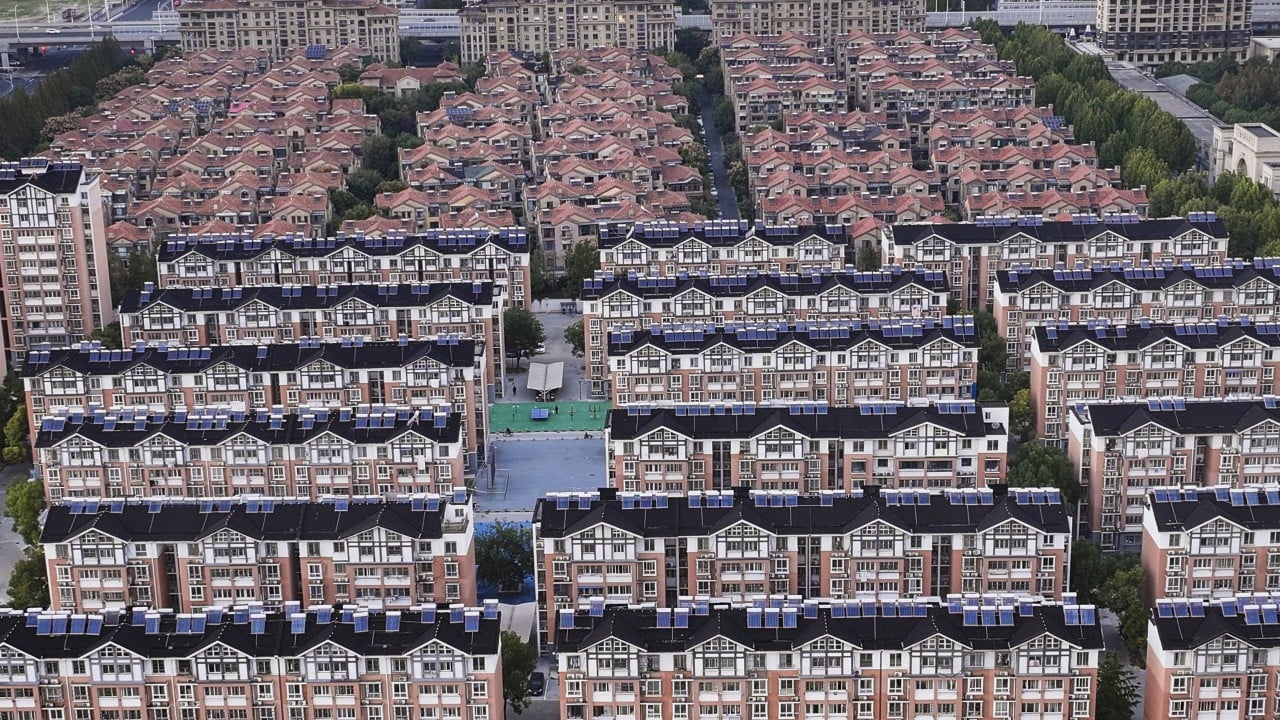
Beijing's recent property stimulus package has failed to halt the decline in home transactions and prices in China's lower-tier cities, potentially leading regulators to introduce stronger incentives to revive the sluggish market. According to data from the China Real Estate Index System (CREIS), prices in third- and fourth-tier cities dropped 2% YoY in October for new homes, while prices for lived-in residential units fell 6.5%.
The poor performance came after several market-boosting measures implemented starting late August. Chen Hui, a homeowner in Henan province, expressed that homebuying interest is weak in cities like Luoyang, and she would need to offer a 15% price cut to sell her flat. In August, the National Financial Regulatory Administration (NFRA) extended mortgage terms to facilitate homebuying for middle- and low-income consumers.
In September, the central bank, finance ministry, and NFRA announced a mortgage interest subsidy policy for first-time homebuyers beginning October 1. However, analysts note that less developed cities' consumers still expect a full economic recovery before making home purchase decisions. For Chen, a 15% discount on her two-bedroom unit was acceptable since it could still be traded at a premium.
She expressed concerns that home prices will decline in the coming years, with many potential homebuyers waiting for further government incentives, such as a larger subsidy. The real estate sector and related industries account for about a quarter of China's economic output. In 2020, the "three red lines" clampdown capped debt-to-asset ratios for developers at 70% and limited net debt-to-equity ratios to 100%.
The strict requirements forced over 50 mainland developers to default on US$100 billion worth of offshore bonds between 2021 and 2022. Authorities are considering expanding the scope of mortgage interest subsidy policies and taking more drastic actions, such as further slashing interest rates, to halt the property sector's decline.
Written by urgent.news from SCMP Business's reporting — not their text. Machine-written — may contain errors; check the original before relying on it.