Win for students: LHC directs two private medical colleges to adjust, refund excess fees by Nov 29
Court directs institutions to refrain from adopting any prejudicial treatment against litigating students
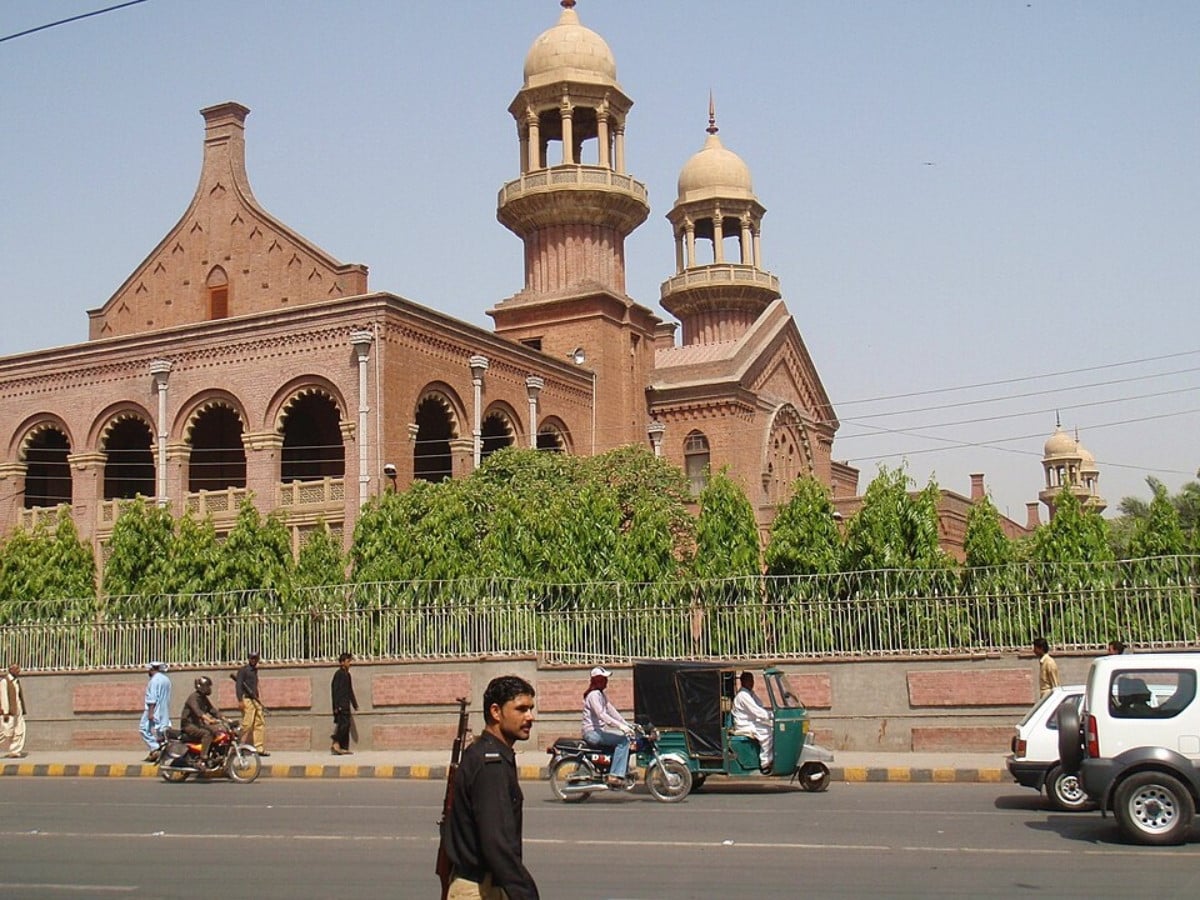
The Lahore High Court has ordered two private medical colleges to review their tuition fees and refund excess amounts within 30 working days, according to a judgment released on Saturday. The court upheld the Pakistan Medical and Dental Council's (PM&DC) authority to regulate tuition fees and maintain standards in medical education, rejecting the colleges' claims of freedom from regulation.
Justice Khalid Ishaq, in the detailed judgment, dismissed three petitions filed by private medical institutions challenging the PM&DC's fee regulations, while allowing 12 petitions filed by students and their guardians seeking redress for the excess fees. The court emphasized that the PM&DC has the power to scrutinize proposed fee structures and financial justifications to prevent exorbitant charges and profiteering.
The court held that private medical colleges cannot operate as purely commercial entities, stating that they must adhere to the prescribed fee limits set by the PM&DC. The institution's participation in the fee determination process, including submitting audited financial statements and seeking fee enhancements, was noted by the court. However, the institutions could not later reverse their position and challenge the regulator's authority based on their involvement in the fee-justification committee.
The court also dismissed the colleges' argument that the PM&DC Act did not grant the council the power to fix tuition fees, stating that Sections 9 and 20 of the Pakistan Medical and Dental Council Act had to be read together in the context of the legislative framework governing medical education. The court clarified that while the freedom to conduct a lawful profession is not absolute, it could be subjected to reasonable restrictions in the public interest, such as maintaining educational standards and ensuring affordability.
The judgment rejected the colleges' claim of discrimination under Article 25 of the Constitution, noting that medical and dental institutions operate under a distinct legislative and regulatory framework involving clinical training, institutional recognition, and professional qualifications. The court dismissed the argument that private medical and dental colleges were being treated differently compared to other professional education institutions.
An important aspect of the judgment was the realization that the institutions had submitted their financial statements and sought fee increases through the Pakistan Association of Medical Institutions (PAMI). The court observed that the college had participated in the fee determination process and could not subsequently reverse their position and invoke the court's constitutional jurisdiction to challenge the regulator's authority.
The court examined the audited accounts of University Medical and Dental College, Faisalabad, noting its income for 2025 was Rs5.099 billion, with a profit of Rs378.659 million.
Rewritten by urgent.news; may contain errors — check the original.
Source: tribune.com.pk