What's the point of buying a touchscreen laptop when you could just get a tablet?
Tablets are great for simplicity and touch-heavy workflows, while a touchscreen lets a laptop serve some of the same purposes in a different form.
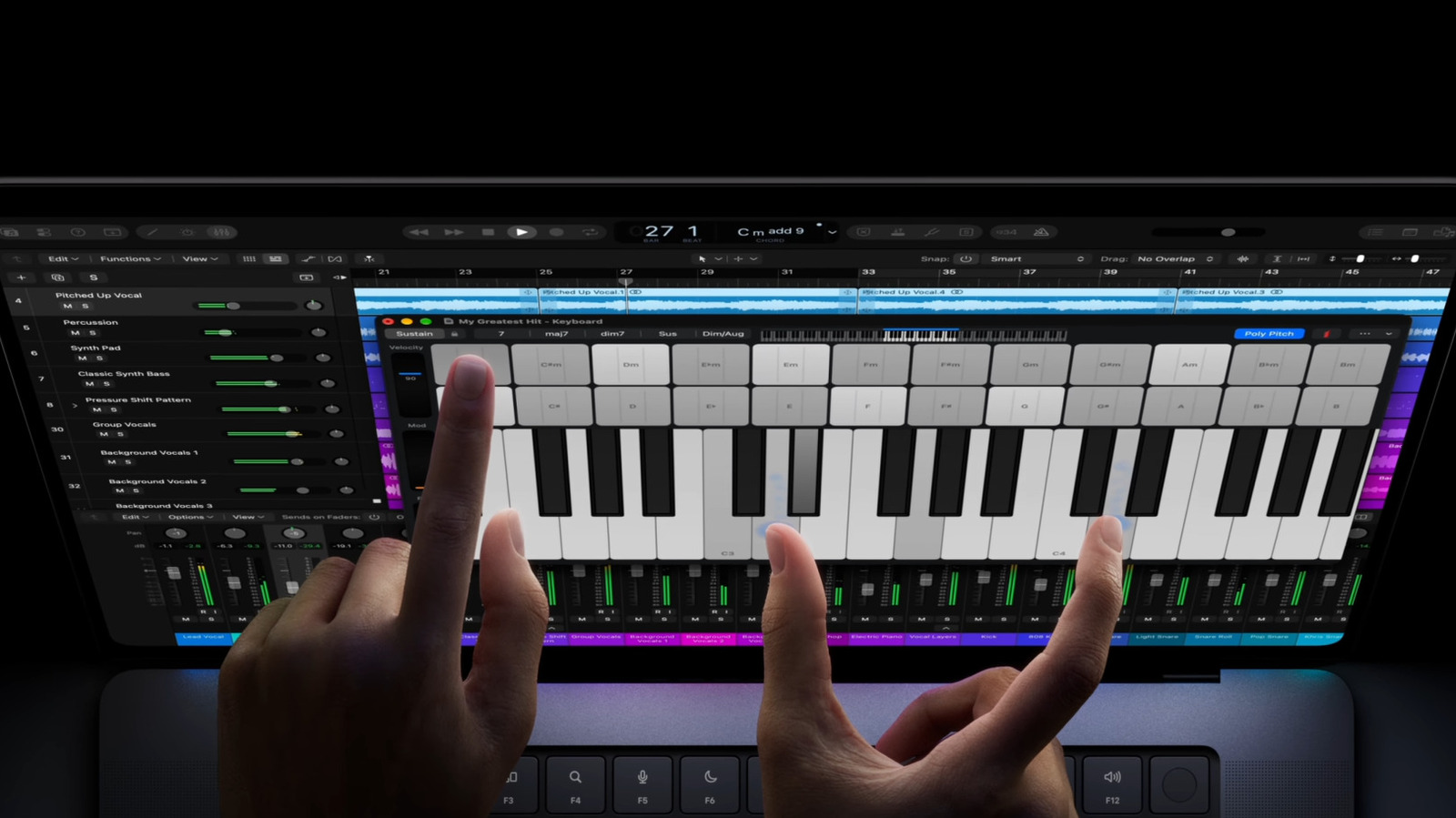
A touchscreen laptop is not merely an expensive tablet, despite what some may argue. There are compelling reasons to invest in a touchscreen laptop, even if one is not planning to purchase a high-end device like the MacBook Pro. One of the primary advantages of a touchscreen laptop is its deeper functionality, which often comes bundled with a physical keyboard and trackpad that tablets need to pay extra for.
This hardware setup provides a more comfortable typing experience compared to a touchscreen, thanks to its ergonomic design and tactile feedback. Additionally, a laptop’s larger screen space can be advantageous for various tasks, as it allows for more efficient multitasking.
Another significant factor to consider is the variety of ports available on laptops. While tablets can be limited in this regard, with many models offering only a single port, laptops generally have multiple ports, which can be essential for connecting peripherals and accessories. This feature makes laptops more versatile and adaptable to different tasks, potentially reducing the need to purchase additional docking stations or hubs.
When it comes to software and performance, laptops generally have more freedom and flexibility. Operating systems such as Windows, macOS, and Linux provide access to a broader range of applications, including those that may not be available on tablets. High-end laptops often feature advanced graphics processing units (GPUs), delivering superior performance for graphics-intensive tasks such as gaming and professional video editing, which are often beyond the capabilities of even the most capable tablets.
For professionals, gamers, and heavy users, a laptop’s superior software and hardware make it the logical choice.
While touchscreen functionality on a laptop can enhance certain tasks, such as scrolling through documents or testing mobile apps, it is not a dealbreaker. Touchscreens on laptops are merely supplementary features compared to the device’s main advantages. Moreover, the intuitive touch-centric experience of tablets is not always ideal for professional or creative work, where precision and the tactile feedback of a physical keyboard are crucial.
For activities like extended note-taking or drawing, a dedicated drawing tablet is often more suitable.
In conclusion, the decision to choose a touchscreen laptop over a tablet hinges on specific needs. If the primary goal is price and portability, a tablet may be the preferable option. However, for users with more demanding requirements, especially those needing advanced hardware or software capabilities, a touchscreen laptop offers a more comprehensive solution. Ultimately, it comes down to assessing whether a touchscreen is truly essential for the intended use case.
Written by urgent.news from Engadget's reporting — not their text. Machine-written — may contain errors; check the original before relying on it.