The migration that transformed Africa's languages, genes, and cultures
Genes and archaeology are revealing how Bantu speakers spread across much of Africa.
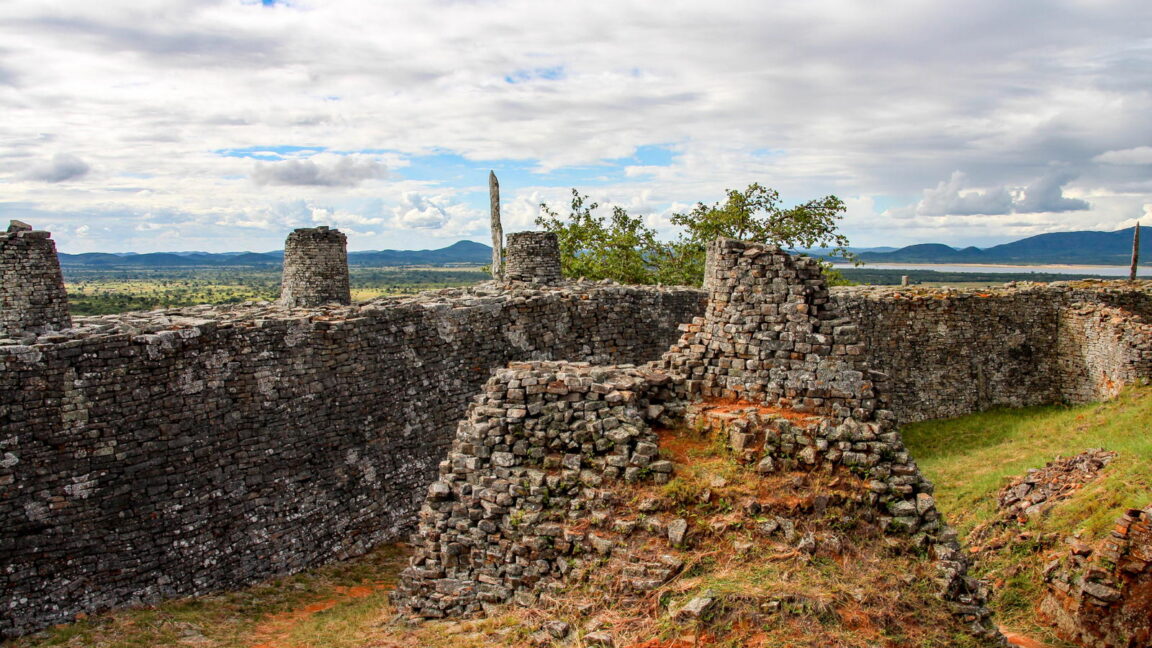
The ancient city of Great Zimbabwe, situated in southern Africa from 1000 to 1700 AD, was renowned for its mastery in iron production. Archaeological evidence reveals that the surrounding region contained remnants of iron-smelting furnaces, such as those found at Mashava, a village located 25 miles northwest of the city. These impressive structures showcased the remarkable engineering skills of their creators, as some furnaces were nearly as wide as an adult's arm span and featured thick, robust walls capable of withstanding temperatures surpassing 2,100° Fahrenheit.
This high heat was essential to transform iron ore into usable metals for tools like hoes, axes, and arrowheads. What set these furnaces apart from others was their innovative design, which eliminated the need for human intervention. Instead of relying on bellows to force air into the furnaces, the Great Zimbabwe furnaces utilized a system that naturally drew in air, processed it, and expelled it through a chimney – a technological advantage that undoubtedly facilitated the production of high-quality iron.
Written by urgent.news from Ars Technica's reporting — not their text. Machine-written — may contain errors; check the original before relying on it.
This story
This is one outlet's version. Read the fullest account.