The migration that transformed Africa's languages, genes, and cultures
Genes and archaeology are revealing how Bantu speakers spread across much of Africa.
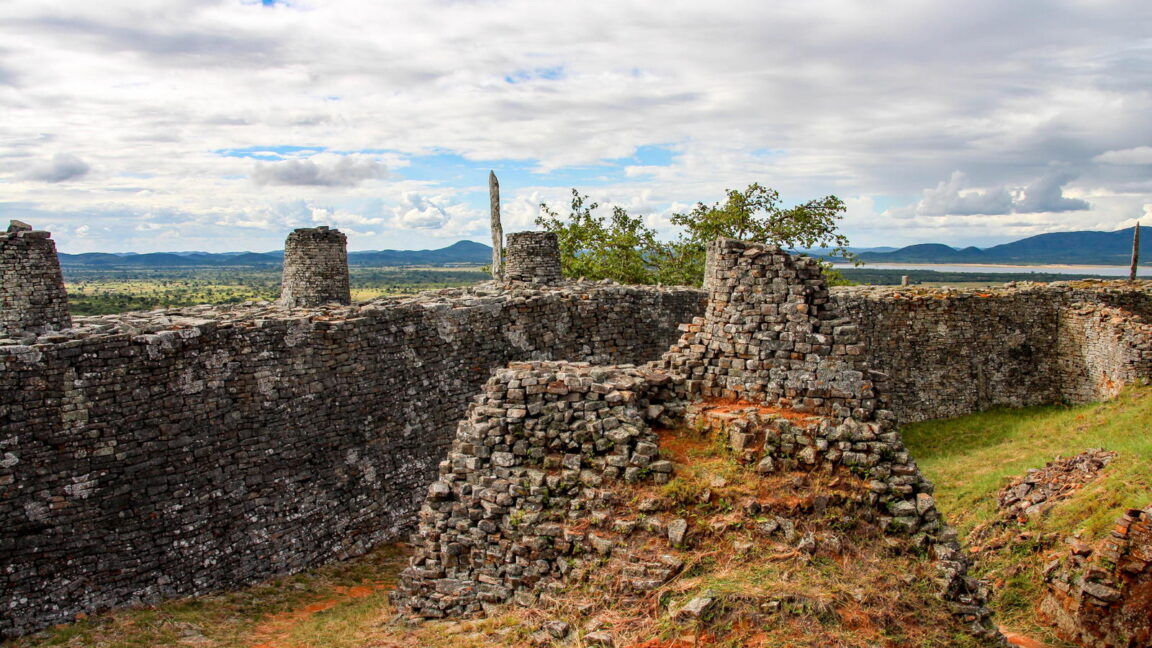
The ancient city of Great Zimbabwe, capital of a prosperous kingdom in southern Africa from 1000 to 1700 AD, was renowned for its mastery of iron production. Evidence of this can be found at the site, where remnants of iron-smelting furnaces are scattered amidst the stone ruins. Nearby in Mashava, a village 25 miles northwest, fragments of these furnaces still bear the fingerprints of their creators.
Some of these furnaces were as wide as an adult's arm span, with thick walls that could withstand the intense heat of over 2,100 degrees Fahrenheit needed to smelt iron. Unlike other furnaces that required bellows operated by human labor to pump in air, these were designed with a unique mechanism to draw air in and expel it through a chimney.
This ingenious design would have made the iron production process significantly more efficient, allowing for the creation of essential tools such as hoes, axes, and arrowheads.
Written by urgent.news from Ars Technica Science's reporting — not their text. Machine-written — may contain errors; check the original before relying on it.