Great British Railways: new dawn for a new network but with plenty of old problems to fix
Experts predict a baptism of fire for GBR in 2027, with likely issues ranging from clapped-out trains and track to extreme weather-related stress The glad tidings brought by the minister were that the wait was almost over: the establishment of Great British Railways could be wrapped up by Christmas, at least in law. But with a renationalised industry facing fresh storms in 2027, some in the…
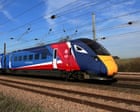
A new era for Britain's railways promises to be both an exciting and challenging one, with the impending establishment of Great British Railways (GBR) set to face numerous hurdles. Experts suggest that the government's ambitious plans could be met with a baptism of fire in 2027, as the railway industry grapples with issues such as aging infrastructure, extreme weather conditions, and disruptions.
The announcement of the new nationalised railway network's potential law approval by early 2027 has generated mixed reactions, with some in the railway world questioning whether they should be cautious about their wishes.
The legislative process, which has been underway for nearly a decade, is now in its final stages in the House of Lords, with the likelihood of receiving royal assent before parliament's winter break. This will give the new arm's-length body, GBR, the authority to oversee Britain's railway network, encompassing both track and train services.
The journey, however, is far from over, as several major train operations, including Great Western Railway, East Midlands Railway, Avanti, and CrossCountry, are set to be nationalised by the end of the year.
Challenges lay ahead for the railway industry, as acknowledged by the railway minister, Peter Hendy, who described every train in the north of England as "clapped out." The urgency to fix these problems is evident, with Network Rail chief executive, Jeremy Westlake, highlighting the two derailments that occurred within 24 hours during a period of heightened delays.
The proposed structure for GBR aims to provide a single point of accountability and an end to the "culture of blame" that often emerged during privatisation. However, questions remain about the level of control GBR will have over the industry, as well as the potential impact of future governments on its operations.
Written by urgent.news from Guardian Business's reporting — not their text. Machine-written — may contain errors; check the original before relying on it.