Big carriers keep FMCSA’s crackdown alive, Fuller says
FreightWaves' CEO told Optym Convergence non-domiciled CDL holders were probably the main reason the downturn dragged on, and that enforcement will outlast any change in Washingto The post Big carriers keep FMCSA’s crackdown alive, Fuller says appeared first on FreightWaves .
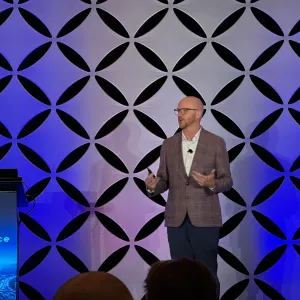
Large trucking fleets are pushing for stricter enforcement of trucking regulations, despite hopes that a new administration would ease the crackdown, according to Craig Fuller, founder and CEO of FreightWaves. Fuller made the remarks during his keynote speech at Optym's Convergence 2026 conference, emphasizing that the current situation reflects the most significant transformation in the trucking industry since deregulation in 1980.
The crackdown has been fueled by several key factors, including the issue of non-domiciled commercial driver's licenses (CDLs), a recent Supreme Court ruling that made brokers liable for negligent hiring, and a substantial $604 million jury verdict against C.H. Robinson. These developments have created a challenging environment for brokers and small carriers, who now face increased competition and higher liability costs.
Fuller argued that the largest carriers, along with industry associations like the American Trucking Associations and the Truckload Carriers Association, have concluded that tighter hiring standards are necessary for their survival. This view has support across party lines, as Fuller pointed out that the largest motor carriers, along with industry groups, have pushed for these stricter regulations regardless of who is in power.
The non-domiciled CDL issue has been a topic of concern for over a year, with Fuller estimating that the federal interim rule could remove 5% to 7% of drivers from the market. Lowering barriers to entry has, in his view, created conditions that may ultimately lead to the demise of smaller fleets. Historically, ATA and its members have emphasized the need for drivers, but the shift in freight procurement and the rise of brokers have changed the dynamics of the industry.
Brokers now handle a significant portion of freight, often exceeding 30% of total loads, according to Fuller, and this concentration of loads has contributed to the challenges faced by smaller carriers. The long-haul market, once one of the most profitable sectors, has seen a decline due to the rise of railroads and the shift of freight to brokers.
Written by urgent.news from FreightWaves's reporting — not their text. Machine-written — may contain errors; check the original before relying on it.