Arzneimittelbehörde prüft: Verdacht auf Tumorbildung bei Kindern durch Gentherapie
Zolgensma kann Kindern mit einer tödlichen Muskelerkrankung helfen. Nun prüft die US-Arzneimittelbehörde Krebsfälle nach der Gentherapie. Vermutlich spielen dabei eingesetzte Viren eine Rolle.
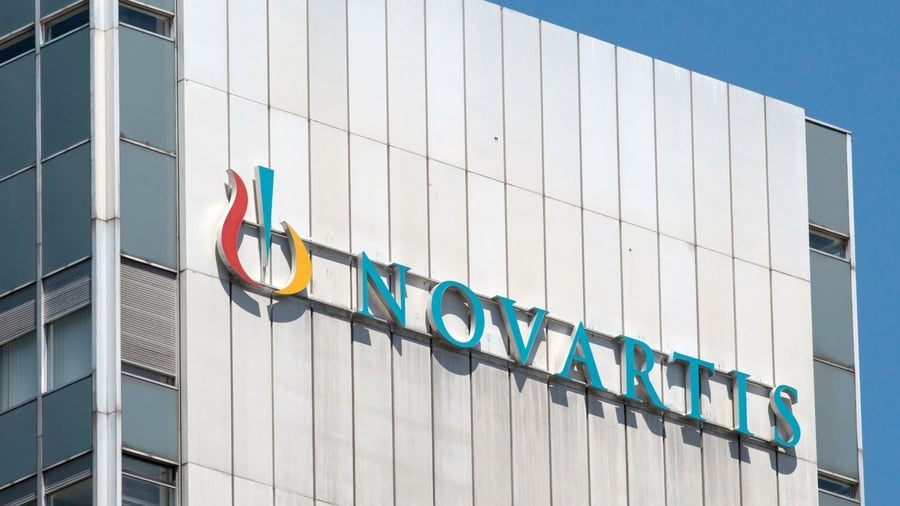
The German drug regulator is investigating suspicions of tumor formation in children treated with the gene therapy Zolgensma, according to initial reports from the US Food and Drug Administration (FDA). Novartis, the drug's manufacturer, has been administering the gene therapy to children under two years old in the US and Europe since around 2020 to treat spinal muscular atrophy (SMA), a rare genetic disorder causing muscle wasting and often death before the age of two.
The therapy involves injecting a single dose of virus-based vectors carrying a functional copy of the SMN1 gene into the patient's bloodstream to replace a mutated or non-functional SMN1 gene. However, some tumors have been reported following the therapy, affecting the central and peripheral nervous system, the spinal column, and the kidneys.
Three cases involved the GLI1 oncogene, which can contribute to cancer development, while two others showed viral DNA in tumor tissue. The FDA is explicitly referencing two scientific publications regarding tumor cases from other similar AAV-vector-based gene therapy programs. The agency stresses that they are monitoring the risk of neoplasms, including malignant tumors, closely in these treatments.
While the benefits of Zolgensma therapy outweigh potential risks, the regulator is evaluating whether regulatory measures are needed. In total, over 6,000 children have been treated with Zolgensma. Nine reports of tumors in patients treated with the drug have been received by Novartis since 2019. Two individuals whose genomes were integrated with vector DNA were being treated and continue to be monitored.
The company emphasizes that they note the potential risk of tumors due to vector integration in the product information.
Written by urgent.news from Handelsblatt's reporting — not their text. Machine-written — may contain errors; check the original before relying on it.