Why the Pixel 7's camera still holds up in 2026, even without Google's newest AI
Android 17 updated the Pixel 7, but most of the Gemini-powered extras skip it. Today, its HDR+ and Night Sight show why that might not matter
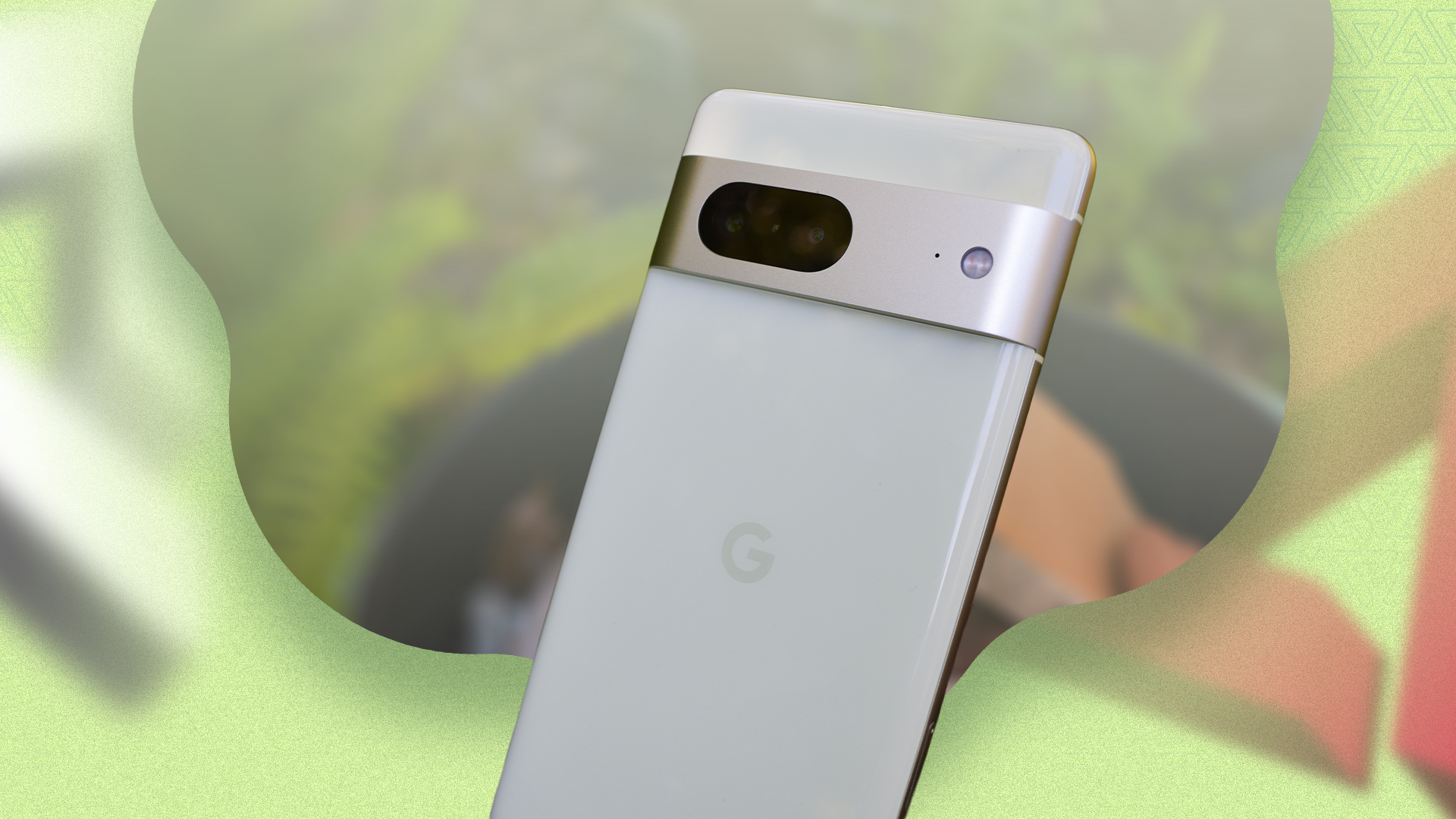
In 2026, the Google Pixel 7's camera remains competitive despite the advent of newer AI-featured smartphones. The device's 50MP main sensor, dependable color science, and stunning portrait images showcase its longevity in the smartphone camera market. Its 1/1.31-inch sensor and 1.2-micron pixels capture more light, while the optical image stabilizer and swift automatic focus enhance image sharpness and reduce blur.
Google's image processing further refines the images by balancing highlights and shadows, controlling noise, preserving detail, and generating natural, captivating colors. This combination of hardware and software sets the Pixel 7 apart from its competitors.
One of the key factors behind the Pixel 7's success is its realistic color science, which prefers true-to-life tones and balanced contrast. This approach helps photos age well and stay competitive without relying on AI features. The Real Tone feature, which accurately represents a wide range of skin tones, contributes to the camera's ability to produce consistently excellent images.
Night mode on the Pixel 7 is another area where it excels. By merging several exposures to retrieve detail, performing noise reduction, and balancing dark and bright areas, the camera can capture high-resolution images in low light. This feature, along with the established computational photography method of multi-frame stacking, alignment, and tone mapping, allows the Pixel 7 to remain competitive with AI-augmented smartphones.
Portrait mode on the Pixel 7 delivers rich, vivid photos with a focus on a single subject. The device captures great detail and creates a natural separation from the background, thanks to depth estimation and Google's edge detection. Features like Macro Focus, Portrait Mode, and the main sensor's resolution make the Pixel 7 efficient for capturing pets, people, food, and detailed objects.
The 50MP main sensor, Google's edge detection, and features like Macro Focus contribute to the phone's ability to compete with many of the latest AI-assisted smartphone cameras.
While newer smartphones may offer more advanced video capabilities, the Pixel 7 still holds its own for candid social media shots. It achieves this through consistent exposure, natural colors, and usable stabilization. The device can record 4K at up to 60fps with 10-bit HDR, ensuring clean, shareable footage for platforms like TikTok, Instagram, and YouTube.
Although newer phones may have stronger stabilization and low-light video capabilities, the Pixel 7 remains competitive through reliable point-and-shoot video quality and easy-to-use controls.
Written by urgent.news from Android Police's reporting — not their text. Machine-written — may contain errors; check the original before relying on it.