Bill Gates believes a billionaire’s tax is the only option in the age of AI—and ‘whatever’s left over’ can be used as a philanthropic safety net
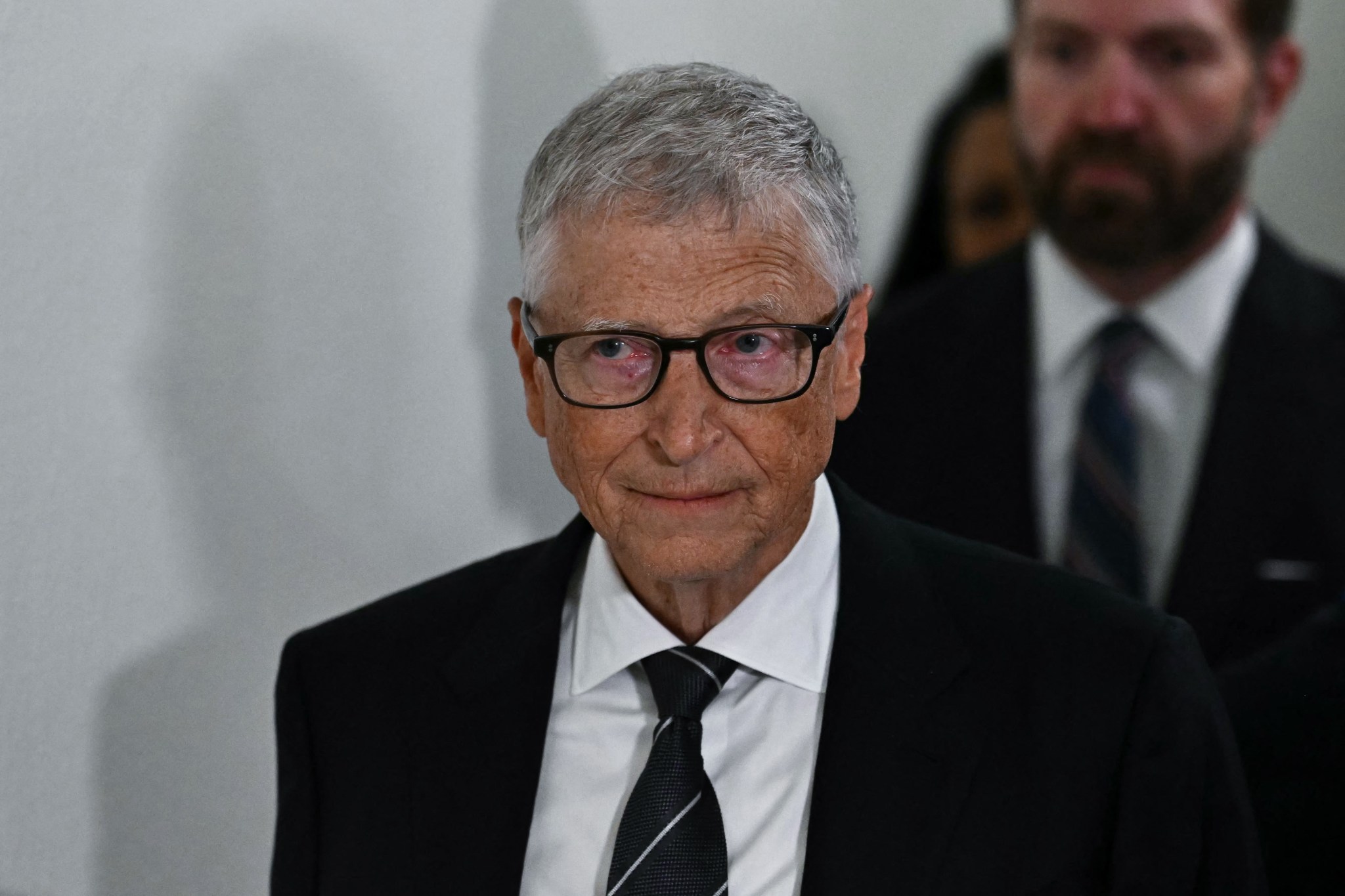
Even as the recent stock market decline may have reduced the net worth of billionaires by billions, economists remain confident that artificial intelligence will spur significant wealth creation in the years ahead. While billionaire tax proposals have sparked controversy, notably in California, Microsoft co-founder Bill Gates argues that such a tax is the most effective solution to address the inequality that AI may exacerbate.
The wealth gained by individuals and families investing in AI companies could be substantial, but the risk of widening the K-shaped economy remains. In an interview with The Financial Times, Gates emphasized that the primary responsibility to combat inequality lies with governments, not voluntary philanthropy. Despite contributing the majority of his wealth to the Gates Foundation, Gates acknowledges that even these resources may not suffice to mitigate AI-driven inequality.
Fed data shows that the top 1% of U.S. wealth owners hold over 50% of the nation's stock market, indicating that future gains will disproportionately favor them. Gates advocates for progressive taxation of wealth and proposes taxing billionaires, AI tokens, and robots to ensure a more equitable distribution of resources. However, his suggestion to tax AI-generated wealth and robots has not been universally embraced.
While some tech founders, such as Nvidia's Jensen Huang, acknowledge the need for higher taxes, they disagree with taxing machines. Huang maintains that various approaches can be taken to address the issue.
Written by urgent.news from Fortune's reporting — not their text. Machine-written — may contain errors; check the original before relying on it.