Why 22km of covered walkways won’t be enough to fix KL
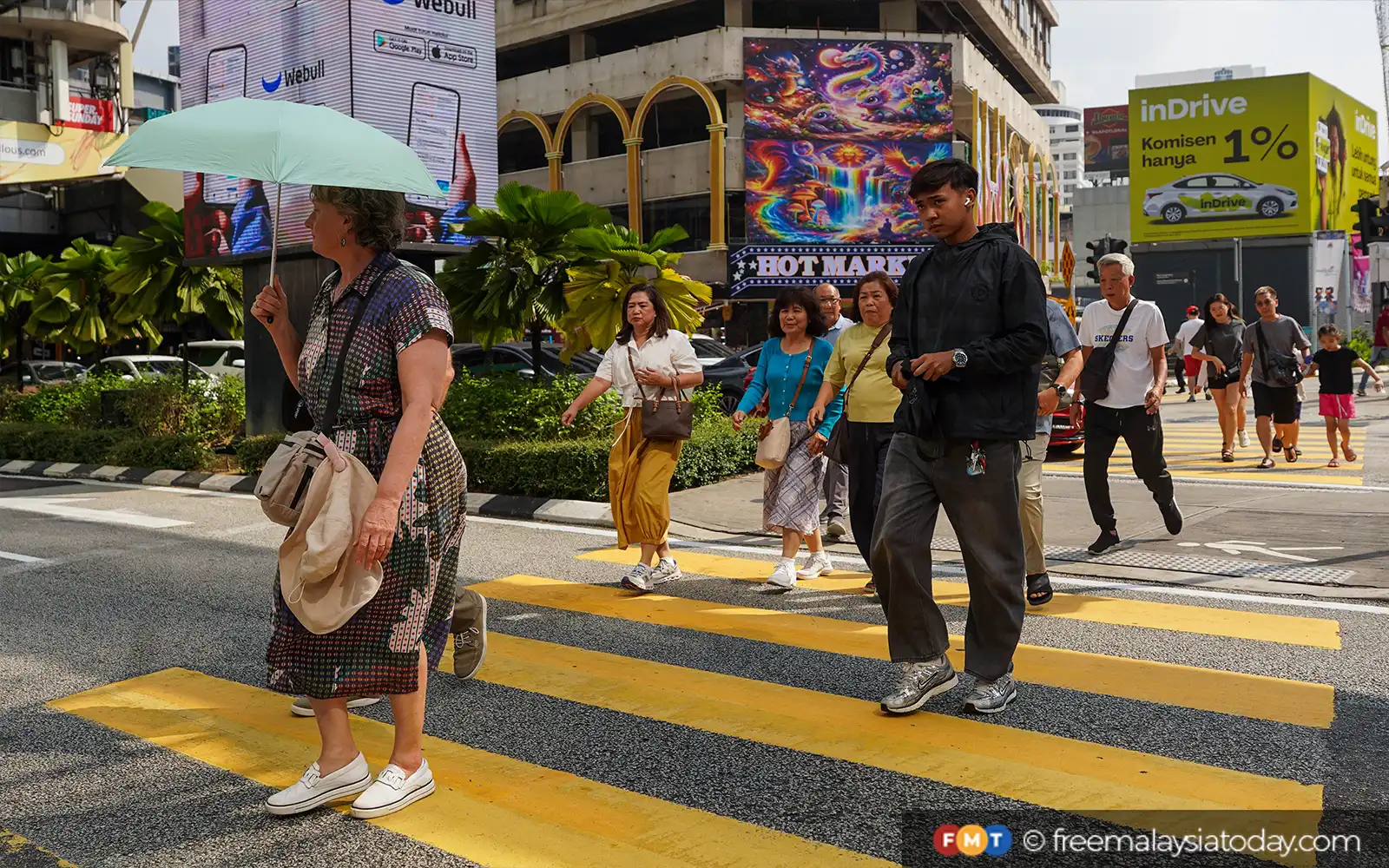
The Malaysian federal government's plan to construct 22km of covered pedestrian walkways across Kuala Lumpur has been viewed as a positive step forward. The investment of RM55 million in walking infrastructure by Putrajaya and Kuala Lumpur City Hall (DBKL) indicates a shift in perspective, recognizing the necessity of accommodating pedestrians' needs, specifically their desire to avoid walking in adverse weather conditions or extreme heat.
While the concept of providing a roof over our heads is a significant start, it is insufficient to transform Kuala Lumpur into a walkable city.
The theory of walkability developed by American urban designer Jeff Speck outlines four essential conditions for people to opt for walking over driving: the path must be useful, safe, comfortable, and interesting. A covered walkway, while providing comfort by blocking out rain and sun, does not address the other three critical factors: usefulness, safety, and interest.
Usefulness: A covered walkway is only useful if it connects to train stations, nearby homes, or shops. Unfortunately, KL's fragmented design often leaves transit stations, housing, and businesses cut off from one another, rendering the sheltered path useless.
Safety: A roof cannot protect pedestrians from the dangers of six-lane roads with fast and dangerous traffic. Without safe crossings, traffic lights, or bollards separating people from speeding cars, walking will be perceived as unsafe, leading people to continue using their cars.
Interest: Streets need active shopfronts, trees, and open views to feel secure and inviting. Crowded streets such as Petaling Street or Jalan Tuanku Abdul Rahman, despite their flaws, showcase that with sufficient attractions, people are willing to walk. However, if DBKL merely installs roofs over disconnected or dangerous paths, the RM55 million project risks becoming a mere symbolic gesture rather than a genuine transformation.
To achieve true walkability, the government must take more than just a construction budget. They need an inclusive walkability commission to conduct thorough, ground-level walking audits across every planned route. This commission should involve a diverse range of participants, including wheelchair users, parents with strollers, senior citizens, visually impaired residents, and daily transit commuters.
The audit must address practical concerns such as the steepness of curb ramps, the abrupt transitions onto high-speed slip roads, the alignment of tactile paving tiles for visually impaired walkers, and the adequacy of street lighting for nighttime safety.
While the coverage of KL's streets sends an essential message that walking matters, it is insufficient on its own to encourage people to leave their cars behind and utilize public transport. A comprehensive approach is necessary, focusing on making paths safe, continuous, and accessible to everyone. Simply covering walkways will not transform Kuala Lumpur into a walkable city; it is about fixing the walk and the city around it.
Written by urgent.news from Free Malaysia Today's reporting — not their text. Machine-written — may contain errors; check the original before relying on it.
This story
This is one outlet's version. Read the fullest account.
- Why 22km of covered walkways won’t be enough to fix KL freemalaysiatoday.com