Why 22km of covered walkways won’t be enough to fix KL
If DBKL simply installs roofs over disconnected or dangerous paths, the RM55 million project risks becoming performative infrastructure.
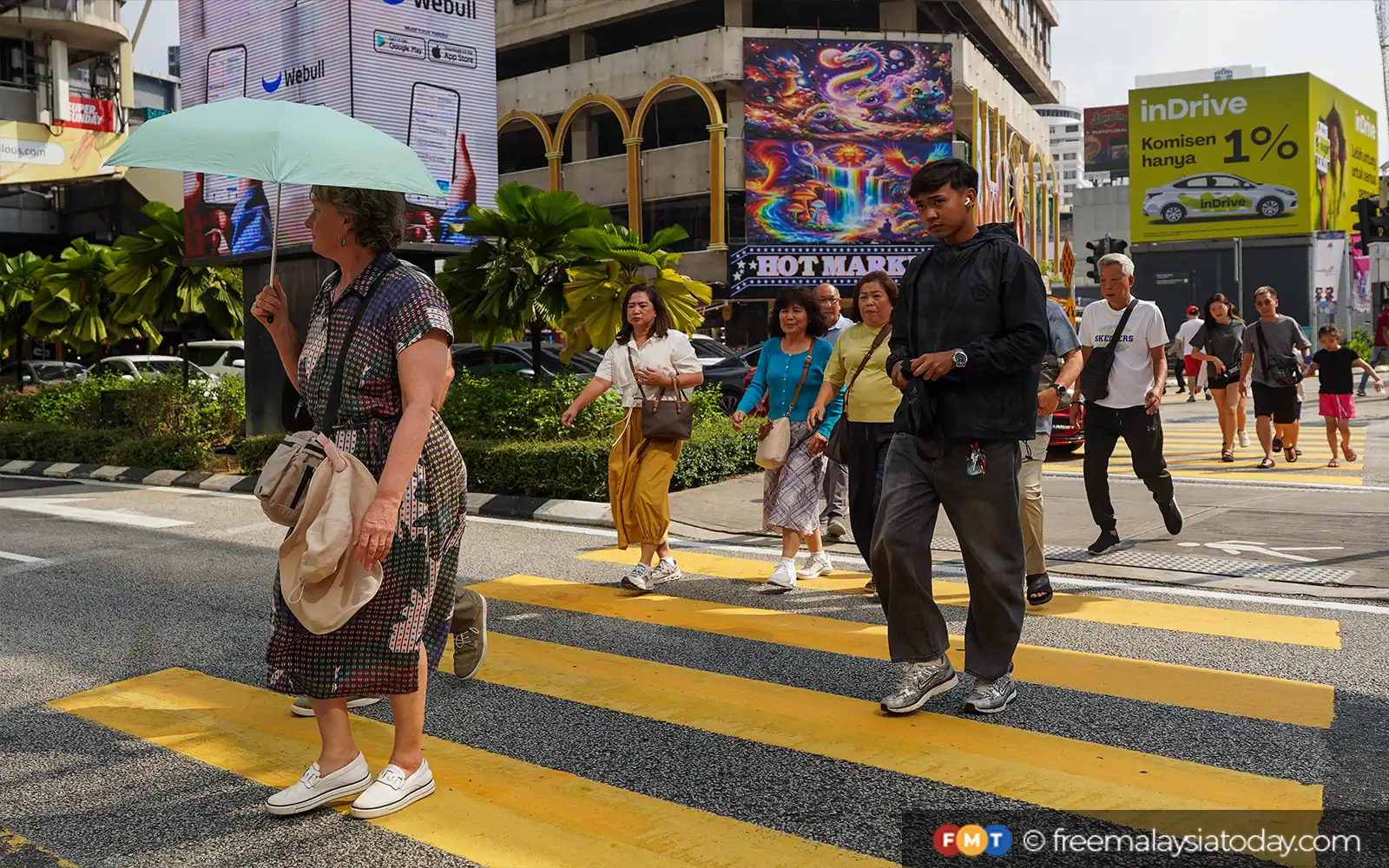
The Malaysian federal government's proposal to construct 22km of covered pedestrian walkways in Kuala Lumpur is a positive development. The investment of RM55 million signals a shift in mindset towards pedestrian-friendly infrastructure. Walking is preferable to driving when conditions are comfortable and safe, but the proposed roofs alone will not transform Kuala Lumpur into a walkable city.
The concept of walkability, popularized by American urban designer Jeff Speck, consists of four elements: usefulness, safety, comfort and interest. A covered walkway addresses only comfort, leaving gaps in usefulness, safety and interest. The walkway will be useless if it ends in a dead end or fails to connect to train stations or nearby places of interest.
Safety cannot be guaranteed by a roof alone; pedestrian safety requires safe crossings, traffic signals and bollards. The walkway must also be interesting, with appealing features such as shops, trees and open views. Simply installing roofs over disconnected or dangerous paths risks turning the project into performative infrastructure rather than genuine transformation.
To successfully implement the project, the government must involve a more comprehensive approach, including an inclusive walkability commission. This commission should conduct ground-level walking audits across all planned routes, involving diverse groups such as wheelchair users, parents with strollers, seniors, visually impaired individuals, and daily transit commuters.
The audits must assess practical issues such as curb ramps, drop-offs, tactile paving, lighting and safety at night. While the covered walkways are an important step, they are not enough to make Kuala Lumpur truly walkable. A focus on safety, continuous paths and accessibility for all is essential. Ultimately, the project should be seen as part of a broader conversation about urban planning and the creation of walkable cities, rather than merely covering over existing issues.
Written by urgent.news from Free Malaysia Today's reporting — not their text. Machine-written — may contain errors; check the original before relying on it.
Also reported by 1 other outlet
- Why 22km of covered walkways won’t be enough to fix KL freemalaysiatoday.com