Ukraine’s trapped and rotting grain deepens Middle East food fears
Millions of tonnes of Ukrainian grain could be left without adequate storage as the war with Russia turns the Black Sea and its vital shipping lanes into battlefields, with consequences biting hard from Europe to the Middle East. It's a double blow for several countries in the region that rely heavily on Ukrainian grain, as it comes amid continuing attacks in the Strait of Hormuz that have…
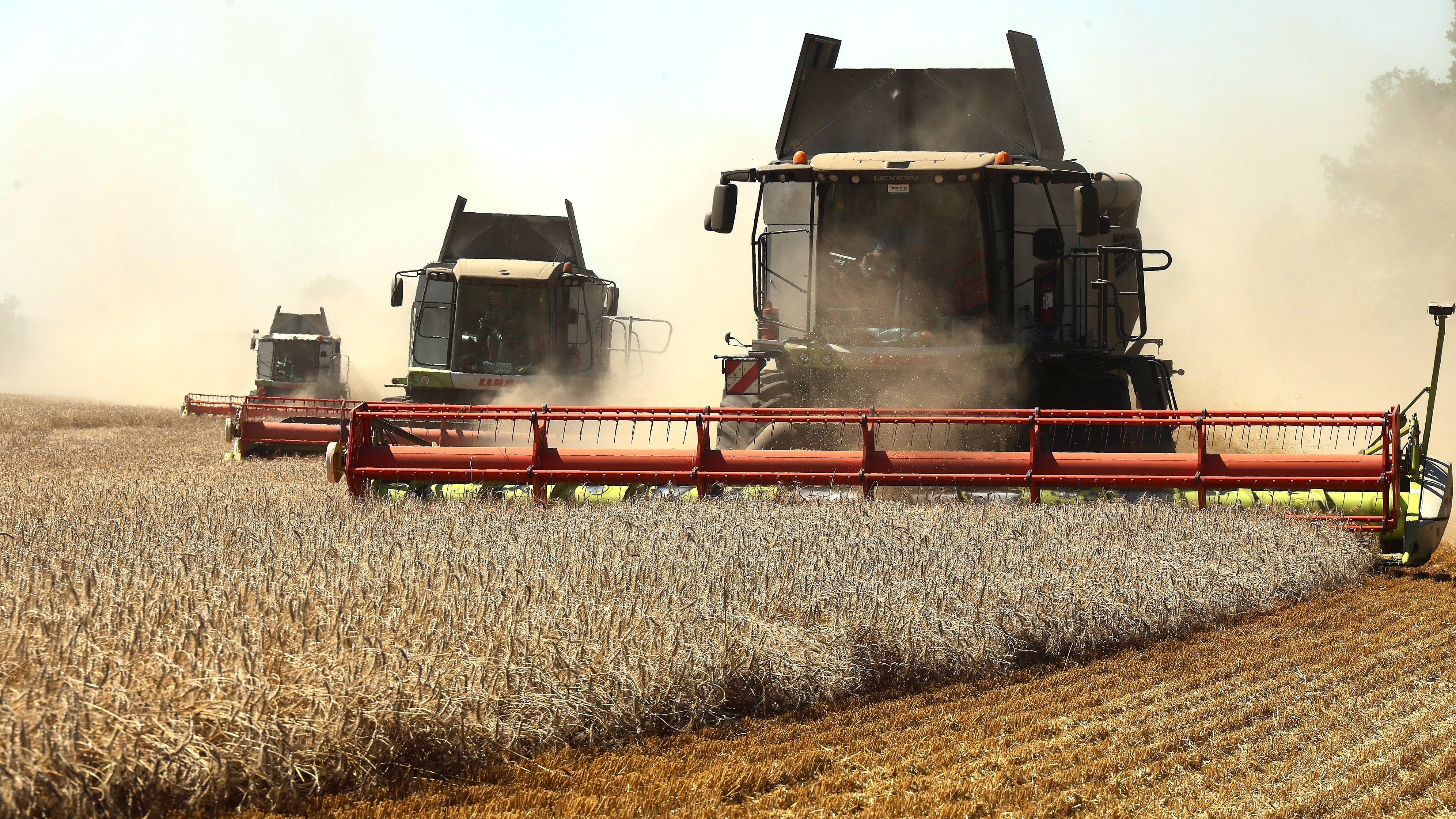
Millions of tonnes of Ukrainian grain may be stored inadequately due to conflict with Russia, which will impact countries such as Europe and the Middle East. This situation exacerbates issues stemming from ongoing attacks in the Strait of Hormuz, which have harmed food deliveries and disrupted fertilizer and energy exports. Ukraine's traditional role as a low-cost grain supplier to regional markets is crucial, as those same shipping routes are vital for food imports and the energy and fertilizer supplies required for agricultural production.
Russia and Ukraine have escalated their attacks on vessels, cargo ships, and targets near ports overlooking the strategic waters, resulting in 317 vessels hit by the two sides in the Black Sea and Sea of Azov between May and October - a fourfold increase from the previous half-year. In October, Russia struck 38 ships, compared to just five Ukrainian strikes.
Jean-Martin Bauer, director of the UN's World Food Programme's Food Security and Nutrition Analysis Service, explained that the Black Sea and the Strait of Hormuz are critical for grain exports and oil and fertilizer supplies, respectively. Disruptions in these key areas can escalate food prices, making it costly to grow, transport, and purchase food.
Ukraine has exported 29% fewer grains in October 2026 compared to the previous year, and global food prices have already risen due to logistical challenges in the Black Sea region. The Danube River could not handle exports due to low water levels, and Russian attacks have destroyed up to 40% of Ukraine's storage facilities. Egypt, the world's largest wheat importer, heavily relies on Ukrainian grain due to competitive prices.
Rising fuel, fertilizer, and freight costs will further impact the cost of imported food and the subsidized bread program.
Written by urgent.news from The National UAE's reporting — not their text. Machine-written — may contain errors; check the original before relying on it.
This story
This is one outlet's version. Read the fullest account.
- Ukraine’s trapped and rotting grain deepens Middle East food fears thenationalnews.com
- How the Middle East and North Africa are navigating a turbulent era semafor.com
- 32 buildings over 150m completed across the Middle East since 2025 constructionweekonline.com
- Trump claims Israel and Middle East would not exist without his Iran nuclear policy english.ajel.sa