Transgender women show distinct patterns of resting brain activity, small study finds
A small brain imaging study found that transgender women differed from both cisgender men and women in brain networks that handle bodily sensations and movement. On most measures, cisgender men fell between the two other groups.
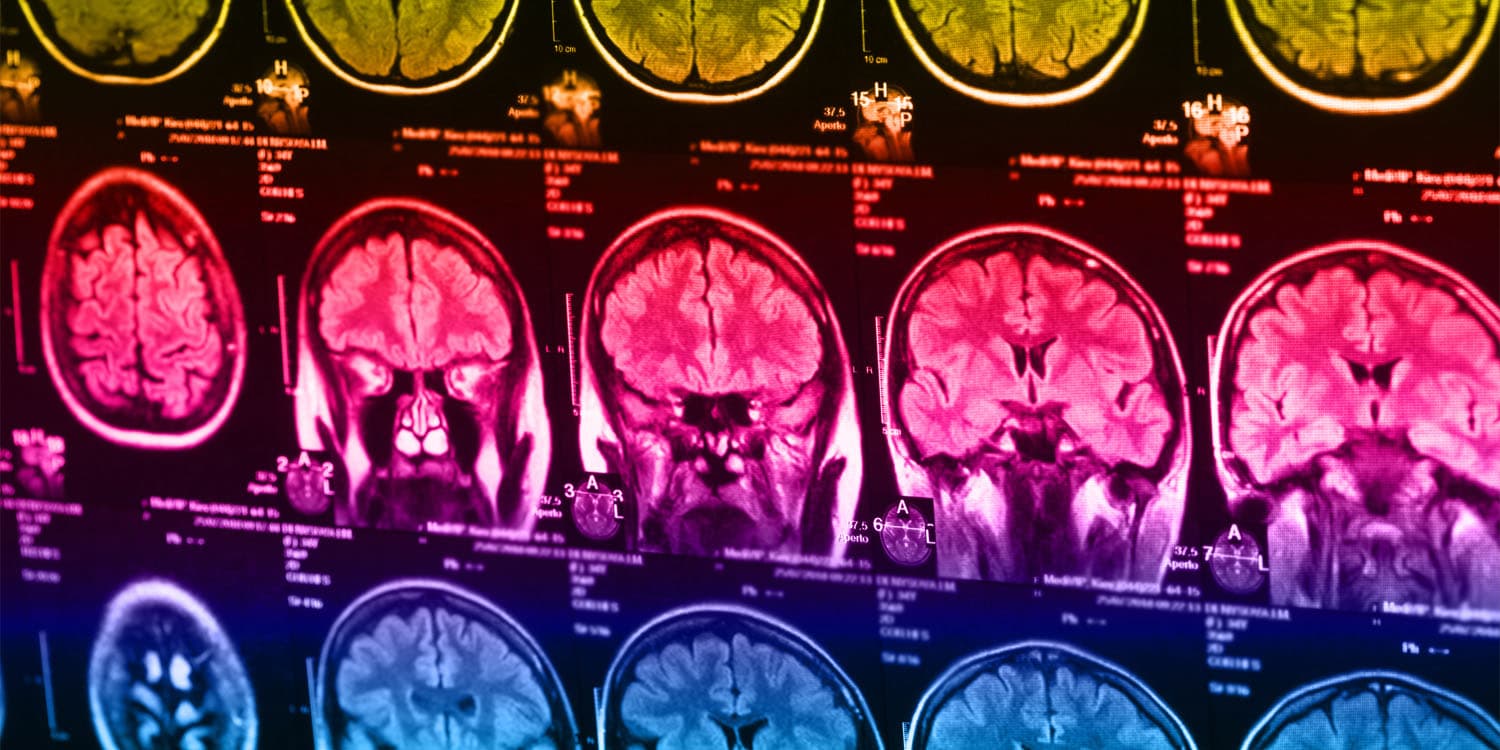
A recent brain imaging study conducted in China has revealed distinct patterns of resting brain activity among transgender women compared to cisgender men and women. Published in Scientific Reports, the study aimed to determine whether these patterns would align more closely with individuals who share their sex assigned at birth, those who share their gender identity, or neither.
The research, led by Xiongyu Li from the Second Xiangya Hospital of Central South University, included 16 transgender women who were receiving gender-affirming hormone therapy, alongside 16 cisgender men and women of similar age. Fifteen of the 16 transgender women were receiving hormone therapy, though the study did not account for its potential effects on the findings.
The participants underwent resting-state functional magnetic resonance imaging (fMRI) to examine brain activity while lying quietly in the scanner without performing any task. The researchers measured the strength of spontaneous activity within specific regions, the synchronization of activity among neighboring areas, functional connectivity between brain regions, and the efficiency of information flow through the brain's network.
The results showed that transgender women exhibited stronger slow, spontaneous fluctuations in the cerebellum, precentral gyrus, and thalamus, regions associated with movement and sensory processing. They also demonstrated less synchronized activity in the precuneus, a region linked to self-related thinking, compared to cisgender participants, particularly cisgender women.
Furthermore, transgender women displayed weaker functional connectivity between the ventral attention and sensorimotor networks, as well as within the sensorimotor network itself. Cisgender men fell between transgender women and cisgender women on most of these measures. The main findings remained consistent even after accounting for differences in overall brain size and during exploratory analyses of brain activity changes over time.
The study authors concluded that transgender women have distinct patterns of brain function compared to cisgender individuals, with more similarities to cisgender men than cisgender women, particularly in sensorimotor regions and networks. However, the study's small sample size, short brain scan duration, and lack of causal inferences limit the reliability and potential application of the findings.
Written by urgent.news from PsyPost's reporting — not their text. Machine-written — may contain errors; check the original before relying on it.