The SSNIT Real Estate Gamble Series: Adinkra Heights — “Enclave” on paper, Twin Towers in reality
There are projects one can measure by concrete and iron—foundations poured, floors stacked, keys handed over. And there are projects one measure by silence: the length of time stakeholders keep asking for timelines, and the length of time answers remain incomplete. The post The SSNIT Real Estate Gamble Series: Adinkra Heights — “Enclave” on paper, Twin Towers in reality appeared first on Ghana…
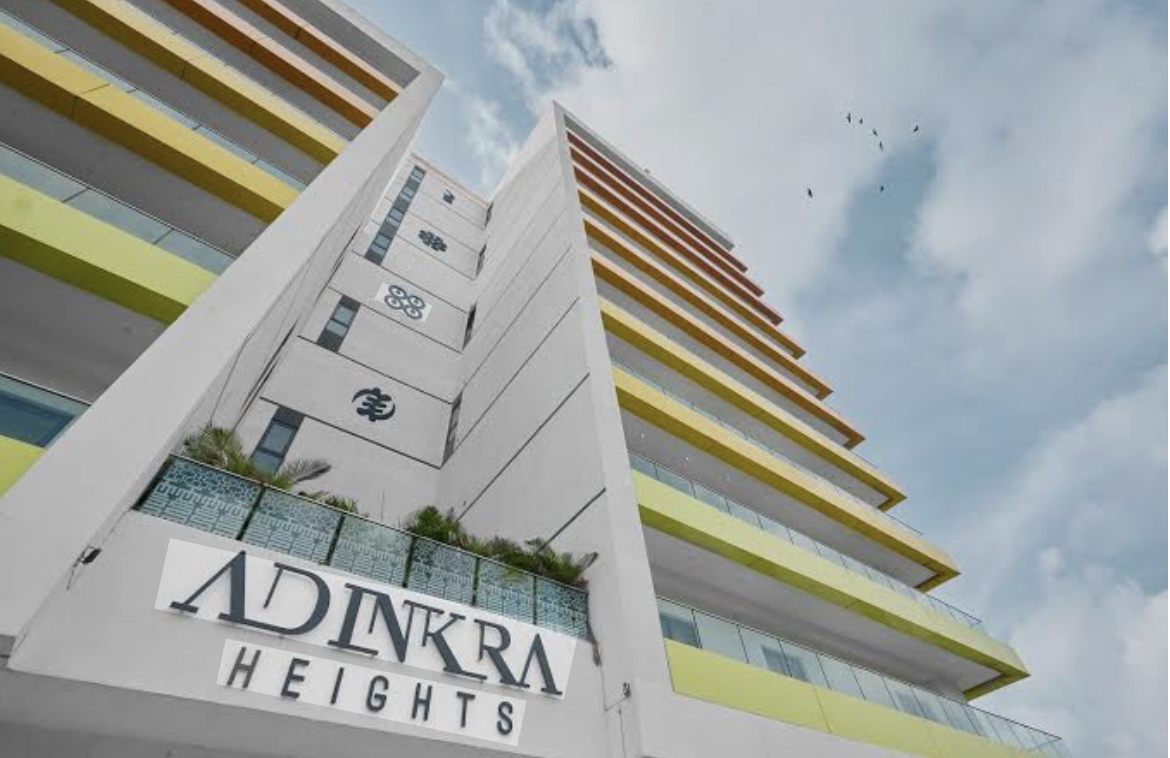
Adinkra Heights, a SSNIT-linked real estate project, is a case study in the disconnect between promise and delivery. Originally marketed as an "enclave" development with five residential blocks, two office towers, hotels, and an ecosystem for services, the present outcome is a twin-tower development of just 77 apartments. The discrepancy between the original promise and current reality has left stakeholders questioning whether the project is merely about to begin, never finishing.
The genesis of Adinkra Heights dates back to 2008 when SSNIT, through Switchback Developers Limited (SDL), acquired a 16.9-acre prime piece of land to develop a high-end mixed-use enclave. The public narrative around the project began as a vision of an entire ecosystem, but the actual development has fallen short of the grand scope. This raises an important question: why does a project tied to long-term pensions feel like it is always about to start, yet rarely about to complete?
The project's delay and incomplete delivery raise further concerns regarding accountability and transparency. SSNIT states it is not a party to sales agreements between SDL and current buyers/occupants and has not disclosed details of current land use or conducted an audit. These statements create a vacuum of information that harms public understanding and trust.
When stakeholders cannot access crucial details like the chain of responsibility, decision timelines, and the evolution of the original vision, they are left to speculate and doubt the project's legitimacy.
The displacement of households is another aspect of Adinkra Heights that highlights the project's shortcomings. SSNIT claims the relocation was handled by the Ministry of Water Resources, Works and Housing (MWRWH), but has refused to provide a breakdown of relocation costs. This lack of transparency affects construction scheduling, cost structures, and most importantly, the social contract that transforms development from a purely business endeavor into a public service.
The public expects more than mere compliance and process; they expect a clear record of how and why the original promise changed, especially when pensions and housing are intertwined.
Written by urgent.news from Ghana Business News's reporting — not their text. Machine-written — may contain errors; check the original before relying on it.