The cheapest upgrade for an old Raspberry Pi isn't a new and more expensive Raspberry Pi
Small hardware tweaks revive aging Raspberry Pis with faster storage, better cooling, and steadier power delivery.
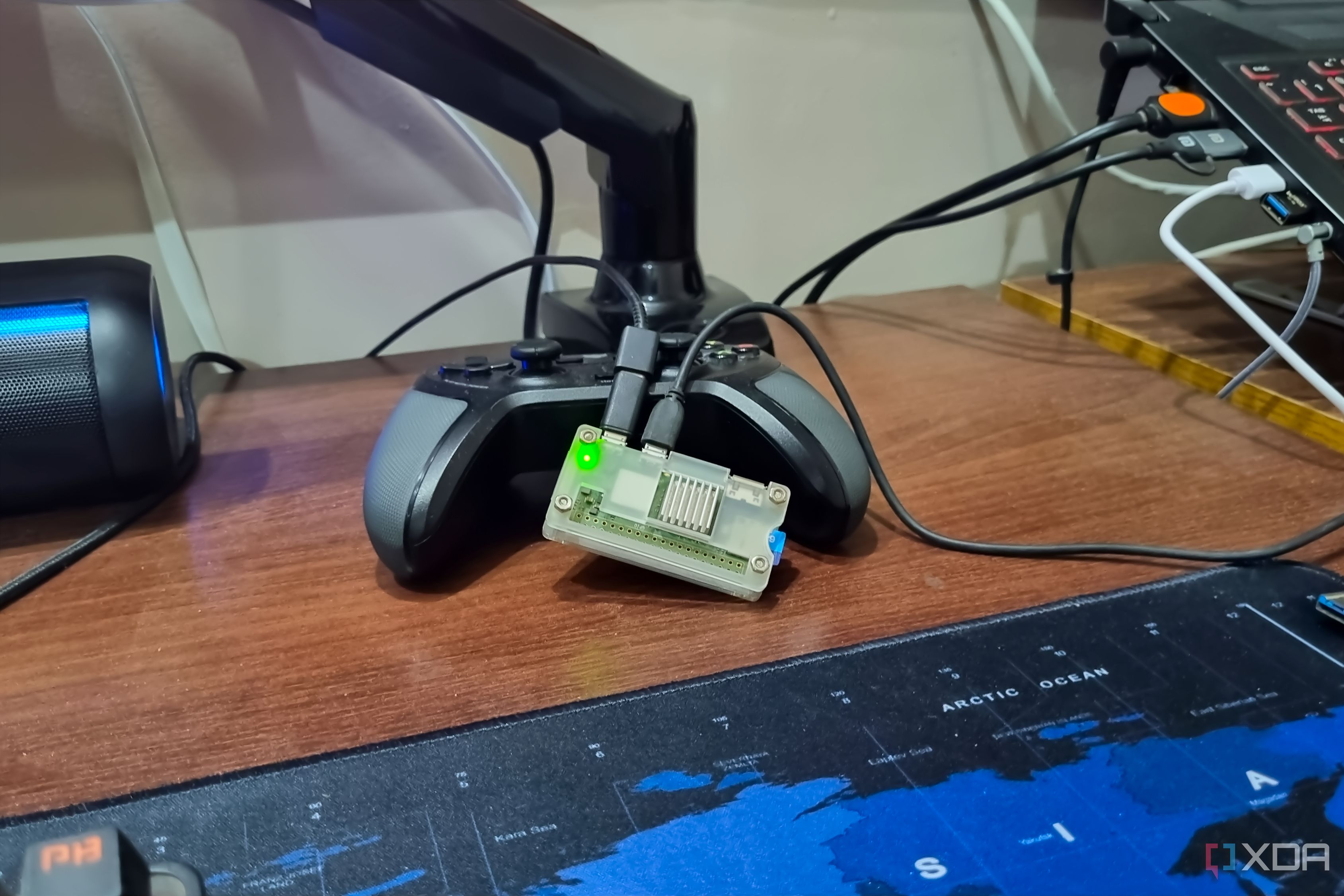
If your Raspberry Pi has been feeling slow and limiting over time, you may be tempted to upgrade to a newer model. However, before making that purchase, consider making some affordable upgrades yourself. The original material advises inspecting problems and testing the impact of minor upgrades, such as cooling, storage, and power, before investing in a new Raspberry Pi.
Several factors can impact performance, including the use of an SD card instead of a USB SSD, inadequate power supply, and overheating. Upgrading to a USB SSD can significantly improve write speeds, especially on models like the Raspberry Pi Zero 2 W and Raspberry Pi 4 Model B. For example, a USB SSD can boost write speeds from around 20MB/s on the Raspberry Pi Zero 2 W to 35MB/s on the Raspberry Pi 4 Model B. The Raspberry Pi 5 board even supports PCIe NVMe SSDs, with read/write speeds of up to 1GB/s.
Reliable storage is crucial for many projects, especially those requiring extensive I/O operations, such as Nextcloud, Frigate servers, or Kopia setups. Using an SSD also reduces the risk of data corruption, which can be a common issue with SD cards. Additionally, an adequate power supply is essential to prevent disconnections, undervoltage errors, and unexpected reboots.
Depending on the model, you may need a 10W, 15–20W, or 25W power supply, and larger cases with fans and heat sinks can help dissipate heat, extending the board's lifespan when used continuously.
Written by urgent.news from XDA Developers's reporting — not their text. Machine-written — may contain errors; check the original before relying on it.