Sri Lanka budget faces post-IMF test as energy costs bite
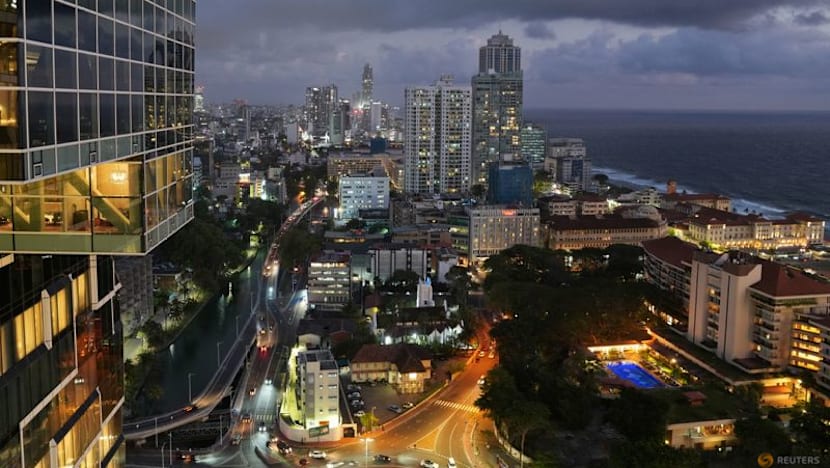
Sri Lanka is set to present its 2027 budget next week, aiming to secure investor confidence that its recovery can extend beyond the upcoming conclusion of a four-year International Monetary Fund (IMF) bailout. President Anura Kumara Dissanayake, who also serves as finance minister, will unveil the budget on November 12, charting the nation's path towards re-entry into bond markets following its exit from the $2.9 billion IMF program in March.
The economic turnaround Sri Lanka has experienced since 2022 is remarkable. The country transitioned from foreign exchange shortages, fuel and food import struggles, and defaulting on foreign debt to rebuilding reserves and achieving sustained economic growth. This has been evident through 12 consecutive quarters of economic expansion, and by the end of October, gross official reserves had reached $6.9 billion.
However, IMF mission chief Evan Papageorgiou emphasized that more needs to be done to transition from stabilisation to prosperity.
Sri Lanka's economic achievements are notable, with a primary surplus of 5.4% of gross domestic product (GDP) in 2025. The government's fiscal strategy targets a 2.6% surplus in 2027 and aims to reduce the overall deficit to 4.5% of GDP. The budget seeks to generate 15.5% of GDP in revenue and grants, with tax revenue accounting for 14.2%. Public investment is targeted to exceed 4% of GDP.
Despite these strides, President Dissanayake faces pressure to shield households from rising inflation, particularly following the conflict between Iran and Israel that has driven up energy costs. Inflation in Colombo, the capital, surged to 8.3% in October. To address this, the government has already introduced fuel and electricity subsidies, cash assistance for low-income families, and support for farmers and fishermen.
While the recovery is evident, the World Bank cautions that it remains incomplete and uneven, anticipating growth of 4.4% this year and 4.2% in 2027. The poverty rate, estimated at 16.9% in 2025, still lags behind pre-crisis levels. Senior World Bank economist Jakob Engel called for a shift towards a different growth model, moving from public investment and debt-driven growth to private-sector investment, exports, and productivity.
The budget is also crucial in the context of the IMF's review of its seventh program review, which would unlock approximately $345 million and increase total disbursements to around $2.7 billion. Investor confidence has improved, with Fitch Ratings upgrading Sri Lanka to B-minus from CCC-plus in September, citing strengthened fiscal and external balances, reforms, and rebuilt reserves.
However, the downgrade warned that debt and debt-service burdens remain high. Economist and former central bank Deputy Governor W.A. Wijewardena suggested that borrowing costs could reach 11% to 12%, which is deemed unaffordable for a country like Sri Lanka and could potentially drive the nation back into a debt trap.
Written by urgent.news from CNA - Business's reporting — not their text. Machine-written — may contain errors; check the original before relying on it.
Also reported by 1 other outlet
- Sri Lanka budget faces post-IMF test as energy costs bite channelnewsasia.com