See the space race like you’ve never seen it before in PBS’s new living documentary, ‘We Chose to Go to the Moon’
Hear Neil Armstrong's son and granddaughter sing a moving tribute to the legendary Apollo 11 astronaut
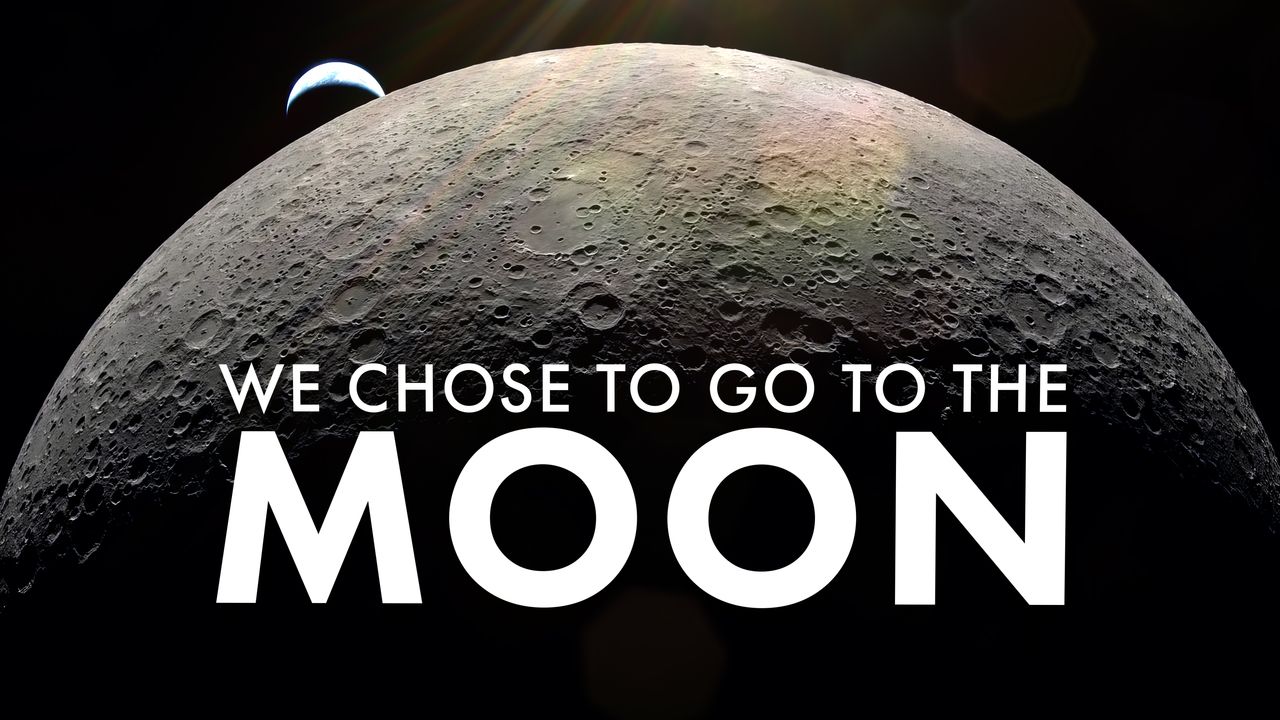
We Chose to Go to the Moon, a new living documentary from PBS, offers viewers a unique perspective on the space race and the Apollo moon landings. Premiering on PBS on November 10 at 8:00 p.m. ET, the documentary features a remarkable cast of actors portraying key figures in space exploration, including astronauts Neil Armstrong, Buzz Aldrin, Michael Collins, and Ed White.
The production, directed by Tony Award-winning Michael Mayer, combines elements of theater, concert, and documentary storytelling to create an immersive experience. Rare archival footage, historic flags, and artifacts returned from the Moon are all part of the multimedia presentation. The documentary also revisits the ill-fated Apollo 13 mission and includes a touching tribute to moonwalker Neil Armstrong, performed by his son Mark and granddaughter Kali.
Created, written, and narrated by historian John Monsky, the documentary stars a diverse ensemble including Ian Weinberger, Skylar Astin, Brent Comer, Claybourne Elder, Elizabeth Gillies, Taylor Louderman, and Joy Woods. The musical score features popular period songs such as "Fly Me to the Moon," "Rocket Man," "Space Oddity," and "The Sound of Silence."
Fans of space exploration are encouraged to tune in to experience this groundbreaking stage show that honors America's human spaceflight history.
Written by urgent.news from Space.com's reporting — not their text. Machine-written — may contain errors; check the original before relying on it.