Kraft Heinz: Ketchup allein reicht nicht
Heinz Ketchup ist Weltmarktführer – doch der Konzern schreibt rote Zahlen. Wie passt das zusammen? Und warum macht ausgerechnet die Abnehmspritze der Konzernführung Hoffnung?
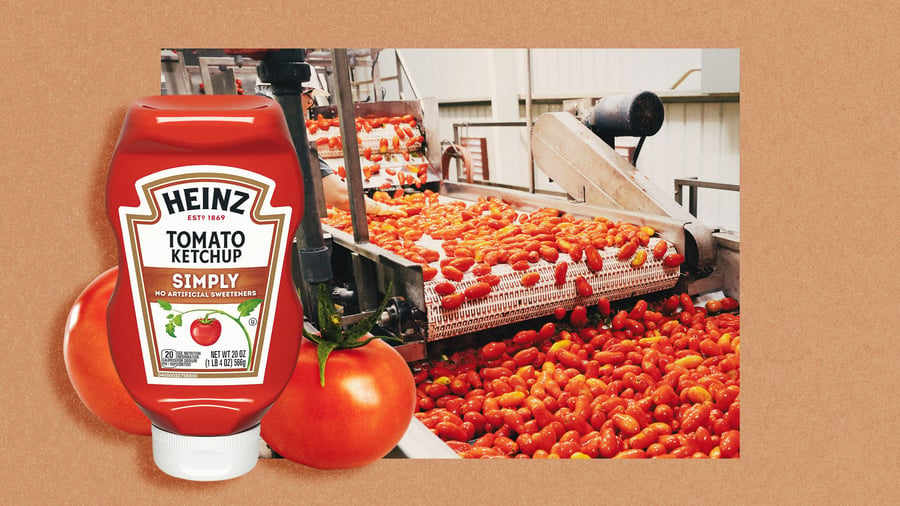
Kraft Heinz, the parent company of Heinz Ketchup, is facing challenges in maintaining its market dominance despite being a globally recognized brand. The company produces eight million bottles of Heinz Ketchup per week at its European plant in Elst, Netherlands, with production running 24/7 in three shifts. The recipe for Heinz Ketchup has remained unchanged since 1876 and consists of only five ingredients: tomatoes, vinegar, sugar, salt, and spices.
Heinz Ketchup holds a significant 42% market share in Germany, followed by generic brands with 33% and regional brands like Werder and Born. The brand's origin dates back to 1869 when Henry John Heinz, a German immigrant, started selling canned pickles and sauces. Heinz Ketchup gained popularity due to its transparent glass bottles, which showcased the purity of its ingredients.
The company is the world's largest buyer of processed tomatoes, with 40 billion tomatoes consumed annually. However, recent quality control issues have tarnished Heinz Ketchup's image, with "Ökotest" magazine rating it "unacceptable" in 2023 due to high sugar content and the discovery of increased levels of Alternariol, a mycotoxin caused by climate change.
To address this, Heinz is developing its own seed varieties that can withstand extreme heat and moisture, ensuring a stable supply even in the face of climate change. Despite these challenges, Heinz Ketchup remains a powerful and iconic brand, similar to Coca-Cola, and continues to command a high market share in many countries, including Germany.
Written by urgent.news from Handelsblatt's reporting — not their text. Machine-written — may contain errors; check the original before relying on it.