Kraft Heinz: Ketchup allein reicht nicht
Heinz Ketchup ist Weltmarktführer – doch der Konzern schreibt rote Zahlen. Wie passt das zusammen? Und warum macht ausgerechnet die Abnehmspritze der Konzernführung Hoffnung?
In the Netherlands, a worker in a white uniform fills ketchup sachets at the world's largest ketchup manufacturing plant, known as Kraft Heinz. Precision is paramount here, as the flow of the ketchup must measure between 10 and 10.5 centimeters within ten seconds. The plant's line manager, Daan Schrijver, explains that only when the flow rate is correct can the batch be bottled into Heinz ketchup bottles.
Every week, the Elst plant produces eight million bottles of Heinz ketchup, operating around the clock in three shifts. The plant exports the product to over 80 countries, from Asia to Africa and Germany. The production process is "just in time," taking eight hours from receiving raw materials to the bottles leaving the factory floor.
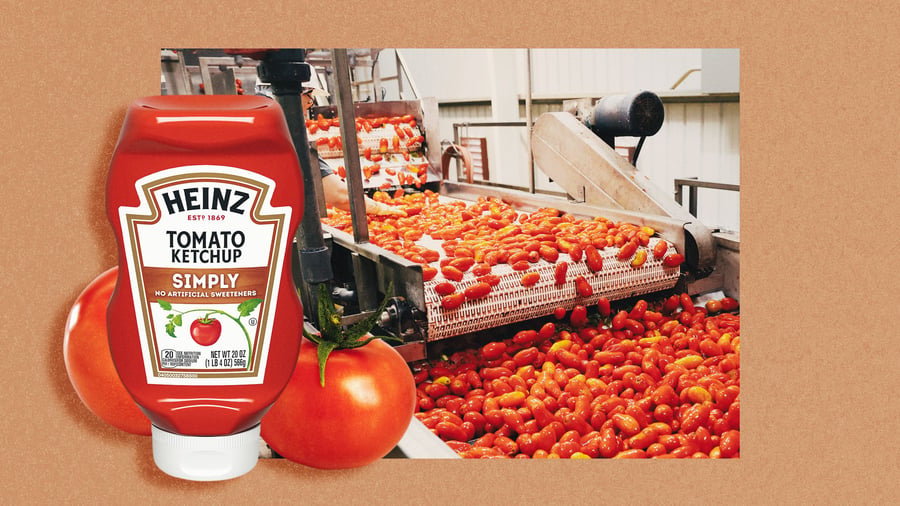
Heinz ketchup is composed of a few simple ingredients: tomatoes, vinegar, sugar, salt, and spices. This recipe has been the key to the brand's global success. Heinz ketchup is recognized as the most famous ketchup globally, with Kraft Heinz controlling a significant market share. However, despite celebrating its 150th anniversary, the US company is facing declining sales and disappointing financial results. The reasons for this paradox remain unclear.
Written by urgent.news from Handelsblatt's reporting — not their text. Machine-written — may contain errors; check the original before relying on it.
This story
This is one outlet's version. Read the fullest account.
- Kraft Heinz: Ketchup is not enough handelsblatt.com