Ex Ilva, spenta l’area a caldo. Slitta il tavolo per la Cigs
Tutto spento. Dopo 62 anni di attività, l’ex Ilva ieri ha disattivato anche l’ultimo altoforno in preriscaldo, il 2 - l’1 e il 4 erano stati spenti già in settimana...
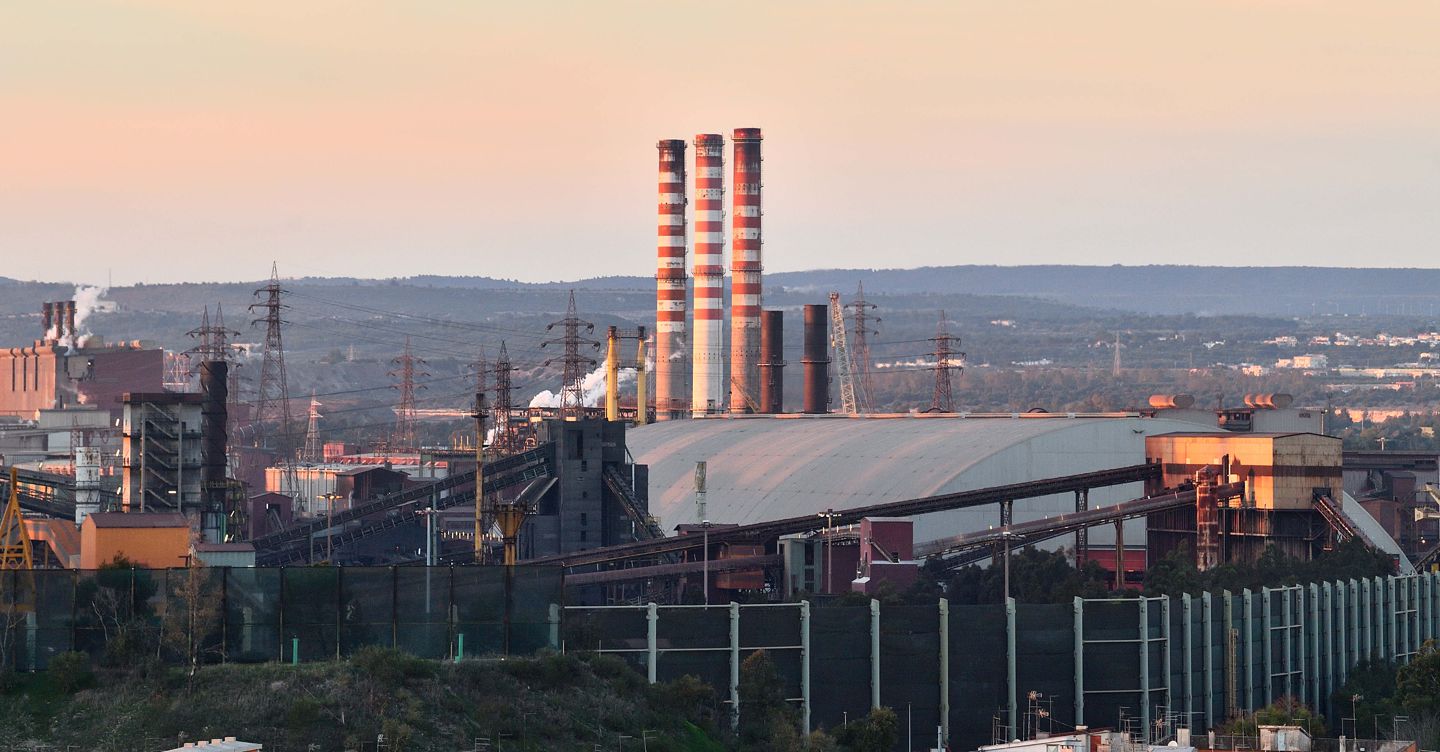
After 62 years of operation, yesterday, the former Ilva shutdown its last high-temperature furnace and the coker batteries, marking the end of activity in the hot area. The Cassation Court's rejection of appeals by Acciaierie d'Italia and Ilva, confirming the July decree from the Milan Court of Appeal, led to the suspension of in-painting due to asbestos and fine dust pollution.
The plant will remain idle until November 10 and resume production just before Christmas, continuing into January with steel deliveries from the Marcegaglia group. This extensive inactivity has resulted in the use of the extraordinary integration fund for 8,622 direct employees, 6,964 of whom are based in Taranto, along with a supplementary allowance for 4,200 workers from these enterprises.
The government cabinet updated the meeting for November 10 to establish a joint decision-making body. The unions emphasized that Acciaierie d'Italia, lacking resources, does not intend to pre-empt the fund but requests direct payment to INPS. However, this could lead to a fluctuating distribution of benefits, as Acciaierie d'Italia has been paying the fund on the same day as salaries.
Additionally, concerns were raised about the misalignment between the fund and economic integration measures, as the suspension of work was requested by the company until February, while the integration is expected until June, alongside the supplementary allowance for the indotto-appalto. Another issue highlighted is the potential for workers to face three wage slips: the INPS fund, the company's economic integration, and another company payment for those who might still perform work duties within the month.
Both Uilm and Fim Cisl urged for a special law to manage this phase of the integration fund, addressing issues like pre-pension, recognition of usurped work in the integral cycle, and incentives for emigration. They also emphasized the need for regional regions to expedite training programs and to assess the production activities at each site and the prospects related to the auction outcome.
While Fiom Cgil demanded that the government guarantee the continuity of facilities and salary continuity for workers, Antonio Decaro, the Governor of Puglia, called for a future factory that does not pollute, along with other productive activities in Taranto, such as tourism, culture, information technology, and services.
Written by urgent.news from Il Sole 24 Ore's reporting — not their text. Machine-written — may contain errors; check the original before relying on it.