EU expands Ukraine sanctions push with new office and crypto task force
The EU announced the launch of a task force dedicated to cryptocurrency sanctions, an area where it has been progressively rolling out more restrictions.
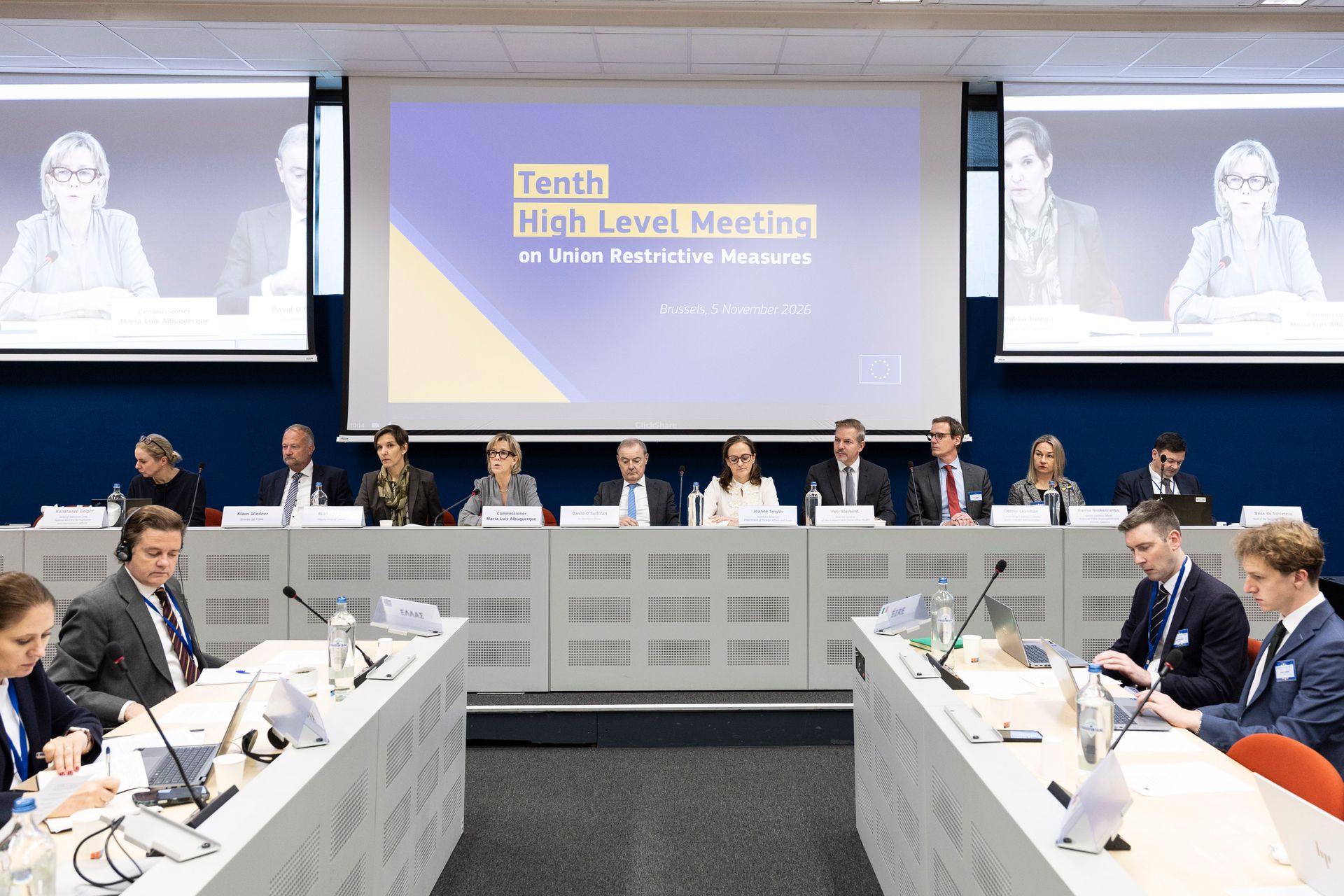
On November 5, the EU Commissioner for Financial Services Maria Luis Albuquerque unveiled a new office and a cryptocurrency task force as part of the EU's intensified sanctions campaign against Russia. The dedicated office aims to bolster coordination, expedite guidance for member states, enhance data sharing and analysis, and project a united front on the global stage.
This move, according to Albuquerque, will not only strengthen the impact of sanctions within the EU but also enhance global engagement with the G7 and like-minded partners. Speaking at a press conference on November 6, European Commission spokesperson Siobhan McGarry emphasized that the office's primary objective is to maximize the sanctions' impact on Russia itself.
Another feature of the EU's intensified sanctions drive is the establishment of a task force focusing on cryptocurrency sanctions. McGarry revealed that the task force will collaborate with national and EU experts to eradicate loopholes that criminals exploit to circumvent sanctions. The task force, which is expected to function for 12 months, will draw upon expertise from various countries including Ukraine and the U.K., the latter of which has implemented stringent sanctions targeting the crypto sector.
The EU's sanctions expansion coincided with two meetings dedicated to addressing sanctions loopholes. One of these meetings was hosted by Albuquerque for EU countries and institutions, while the other was convened by sanctions envoy David O Sullivan, bringing together coordinators from allied nations.
Written by urgent.news from Kyiv Independent's reporting — not their text. Machine-written — may contain errors; check the original before relying on it.