Earth's churning mantle may have created the Great Unconformity
Explaining the Great Unconformity, where Cambrian deposits sit on top of older rocks.
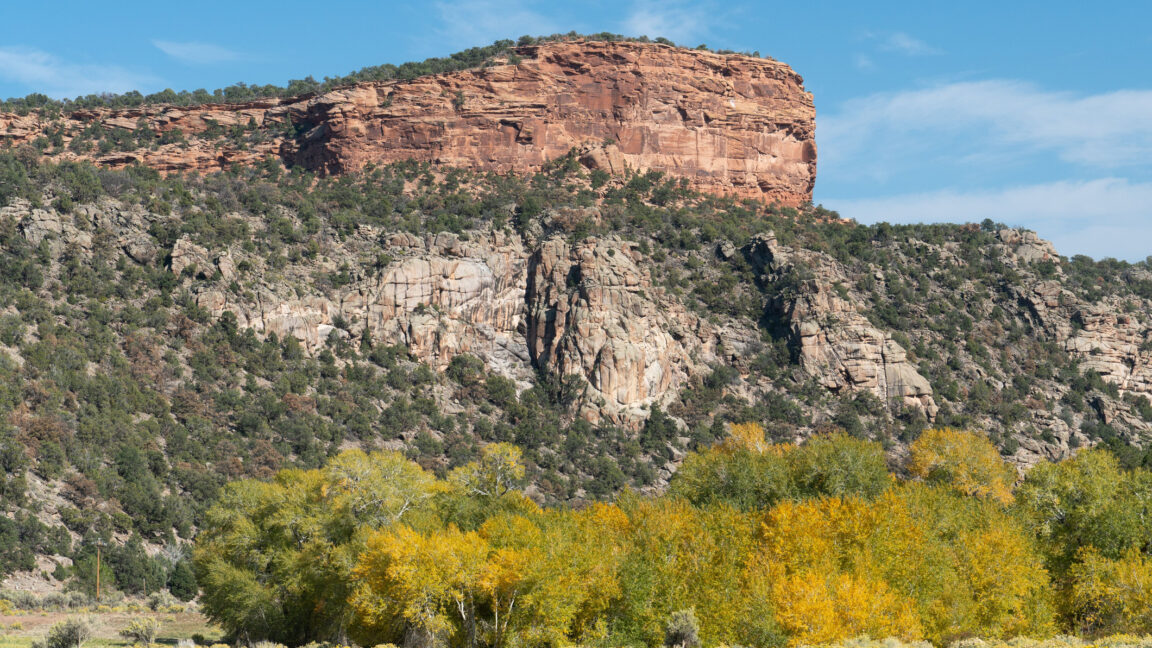
In the Grand Canyon, a geological mystery known as the Great Unconformity lies concealed. This gap in the rock record is marked by ancient crystalline rocks at the bottom, juxtaposed against sandstones that record the onset of life during the Cambrian explosion at the top. The gap can span from 200 million years to over a billion years.
According to a recent study published in Nature, a team of geoscientists led by Nicolas Flament from the University of Wollongong, Australia, contend that this gap may have been formed by processes deep within the Earth. Their models suggest that slow-moving currents of hot rock in the planet's mantle exerted enough force to lift continents over hundreds of millions of years.
As these continents rose and fell due to the effects of glaciers, fresh sedimentary deposits were able to fill in the void, erasing the evidence of its existence. The phenomenon may reveal a unique signature of deep Earth processes, hinting at complex geological events that have shaped our planet's history. The oldest sediments found atop the Great Unconformity in North America date back between 635 and 482 million years, with traces extending across significant portions of North America, northern Europe, and northern China.
Flament emphasizes the prevalence of this phenomenon in North America, hinting at potential widespread implications.
Written by urgent.news from Ars Technica Science's reporting — not their text. Machine-written — may contain errors; check the original before relying on it.
This story
This is one outlet's version. Read the fullest account.
- Earth's churning mantle may have created the Great Unconformity arstechnica.com