Earth's churning mantle may have created the Great Unconformity
Explaining the Great Unconformity, where Cambrian deposits sit on top of older rocks.
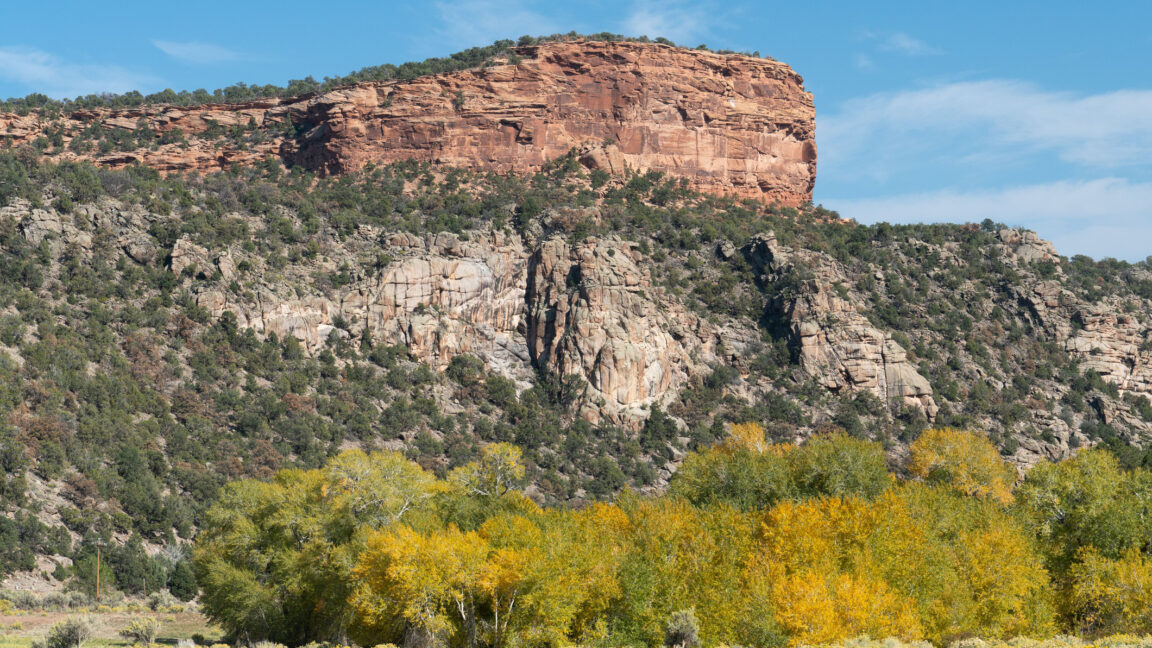
In the Grand Canyon, there exists a line in the rock where time appears to have vanished. Ancient crystalline rocks form its base, while sandstones, formed as life began to diversify during the Cambrian explosion, mark the top. This gap, known as the Great Unconformity, represents a missing section in the geologic record, spanning anywhere from 200 million years up to over a billion years.
In a recent study published in Nature, geoscientists Nicolas Flament and Santosh Dhungana propose that this void was shaped by forces deep within the Earth. According to their models, slow currents of hot rock within the planet's mantle pushed continents upwards for hundreds of millions of years, enabling glaciers to erode them before sinking them again, allowing new sediments to fill the breach.
The Great Unconformity, the largest gap in the rock record, could be a telltale sign of deep Earth processes. The oldest sediments covering the Great Unconformity in North America date back between 635 and 482 million years. Geologists have observed this pattern across much of North America and portions of northern Europe and northern China. Flament notes that something significant seems to have transpired, particularly in North America.
Written by urgent.news from Ars Technica's reporting — not their text. Machine-written — may contain errors; check the original before relying on it.
Also reported by 1 other outlet
- Earth's churning mantle may have created the Great Unconformity arstechnica.com