Can a Radar-Equipped AC Actually Cut Your Power Bill?
Air conditioners can now follow you from room to room to cut power draw. Saving the planet, however, won’t come from a smarter breeze.
Air conditioners and electric fans make up around 20% of global electricity use, accounting for 3-4% of total greenhouse gas emissions. As demand for cooling rises, the number of AC units in use could reach 5.5 billion by 2050. To address this issue, a variety of emerging technologies are being developed for the next generation of air conditioning systems.
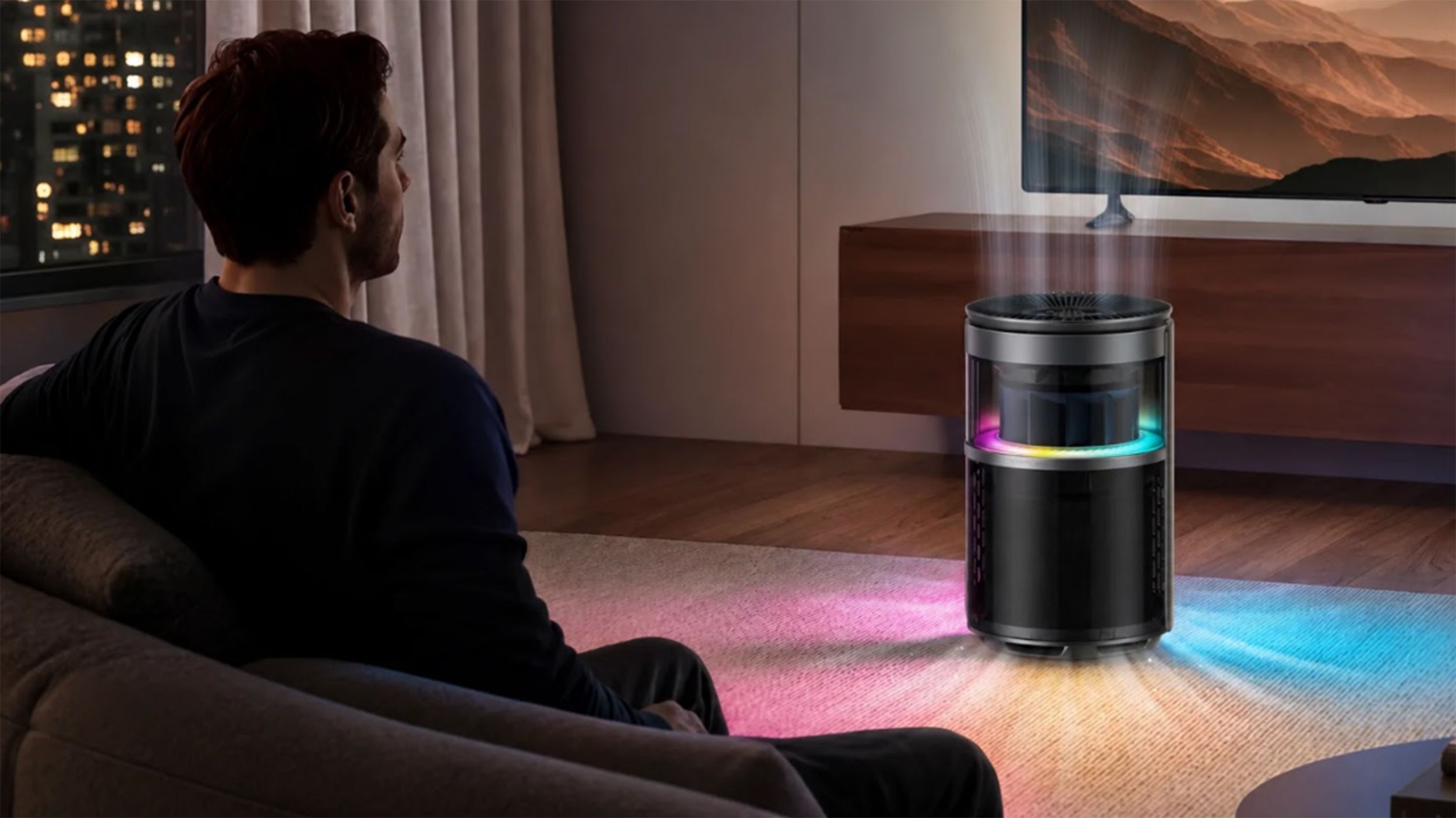
One such technology is the "Intelligent AC," which utilizes radar sensors to track individuals within the home. These sensors enable precise cooling and can potentially reduce energy consumption by targeting cooling directly to people. Companies like Samsung, Dyson, Hisense, Dreo, Midea, LG, and Midea have launched various intelligent AC units featuring radar sensors for people detection and targeted cooling based on movement patterns.
For example, Hisense's Companion Living AC uses data from smart home sensors to identify and precool "target paths" within the home based on daily routines. Samsung's Bespoke AI WindFree Pro includes a motion radar sensor that can recognize and track two occupants, providing immediate cooling for the person in the room while using less power compared to fan mode.
Compact window AC units are also being developed to meet the demand for sustainable home cooling by 2050. Three key changes are required: cheaper, compact heat pumps for all home sizes, fewer toxic natural refrigerants, and low-charge systems to ensure safety. Heat pumps are an efficient option for heating and cooling, converting outside heat into usable energy for home heating systems and cooling processes.
Written by urgent.news from Wired's reporting — not their text. Machine-written — may contain errors; check the original before relying on it.