BOJ chief Ueda sees ’some upside risks’ to inflation
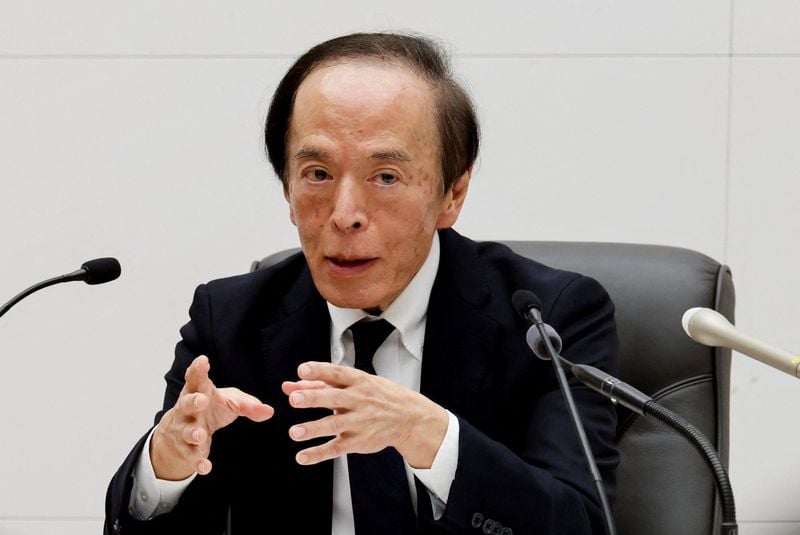
Bank of Japan Governor Kazuo Ueda expressed optimism about inflation on Friday, stating that underlying inflation is expected to remain near the central bank's 2% target. However, he acknowledged that there are some upside risks to consider. Rising prices of energy-related products are contributing to increased consumer inflation, with growth predicted to accelerate further at the start of next year.
Ueda highlighted that wages in Japan are growing in line with the 2% inflation goal, yet the Bank of Japan's 2% inflation target has not yet become widely accepted as a social norm in the country. The central bank's primary objective is to anchor underlying inflation around this target. The Bank of Japan is closely monitoring the actions of other central banks, as they can impact asset prices, foreign exchange rates, and interest rates, which in turn influence the Japanese economy.
Ueda emphasized the careful consideration the Bank of Japan gives to the policy measures of other central banks. Regarding unconventional monetary policy tools, Ueda noted that while they have yielded positive effects in the past, they are not perfect substitutes for cutting interest rates from positive territory. The Bank of Japan may need to deploy such tools again, depending on the severity of any potential economic shock in Japan.
Ueda stressed the importance of keeping underlying inflation close to the 2% target, but also cautioned about the potential negative effects of employing these tools again, such as market disruption. The Governor addressed concerns raised by new Federal Reserve Chairman Kevin Warsh regarding excessive communication, urging central banks to maintain a balance between policy communication and the risk of creating a moral hazard in the market.
In Japan, the Bank of Japan has been using underlying inflation as a key variable in guiding policy, with the goal of maintaining it at or near the 2% target. Ueda briefly touched upon the promise and risks of artificial intelligence, noting that rapid advancements in AI have provided a positive demand shock for the Japanese economy.
However, supply side factors must also be studied. Unlike some other nations, Japan could potentially benefit from AI replacing labor due to its significant labor shortages. IMF Managing Director Kristalina Georgieva cautioned that global central bankers must take into account any slowdown in AI-driven growth when assessing their strategies to combat inflation.
She warned that concerns about dependence on the AI investment boom and high valuations are impacting markets worldwide. Ueda also expressed concerns about cyber risks to financial stability, mentioning that some small banks and firms have not adequately prepared to protect against these risks.
Written by urgent.news from Investing.com's reporting — not their text. Machine-written — may contain errors; check the original before relying on it.
This story
This is one outlet's version. Read the fullest account.
- BOJ chief Ueda sees 'some upside risks' to inflation channelnewsasia.com