An unexpected feedback loop may be driving mega heatwaves
Dry soil and high pressure can amplify extreme heat, helping to explain why regions like Europe are suffering record-shattering heatwaves much earlier than climate models predicted
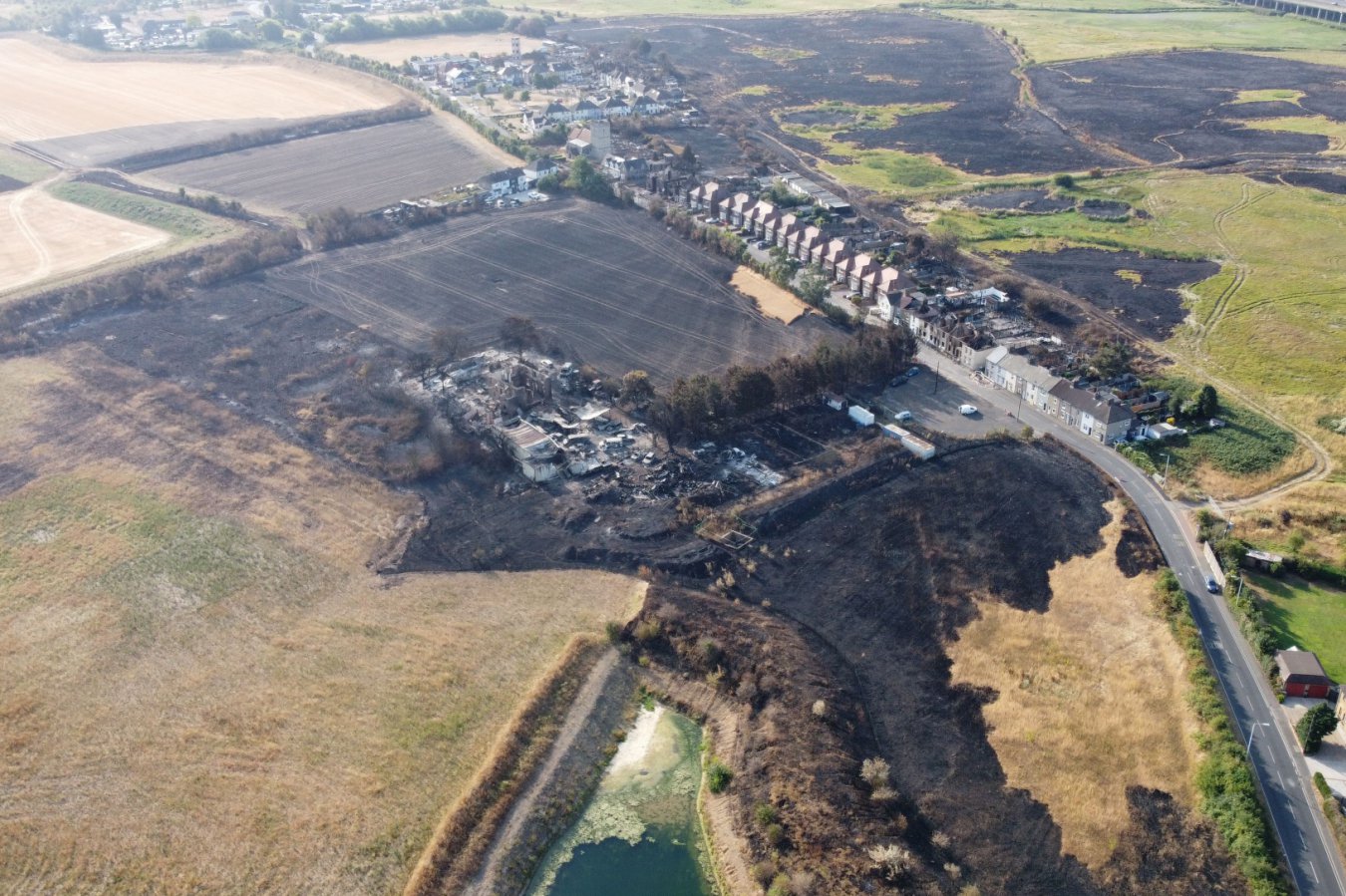
A new study has revealed that a previously unknown three-way feedback loop may be intensifying heatwaves in mid-latitude regions like Europe. Scientists have found that high-pressure systems allow more solar radiation to reach Earth's surface, heating up the land. However, higher temperatures also speed up soil drying, removing the cooling effect of evaporation and further amplifying heatwaves.
When temperatures reach extreme levels, dry soil can sustain high-pressure systems in the atmosphere, making extreme heatwaves 10 percent hotter than they would otherwise be. This feedback factor is not currently accounted for in climate models, which could lead to underestimation of the severity of future heatwaves. The consequences of these hotter temperatures could be severe, including public health crises, infrastructure breakdowns, crop failures, and ecosystem collapse.
Researchers emphasize the need for climate models to incorporate this feedback mechanism to better project future extreme heat events.
Written by urgent.news from New Scientist's reporting — not their text. Machine-written — may contain errors; check the original before relying on it.