The First American Death From Bird Flu—This Year
It’s flu season. Is it also bird flu season?
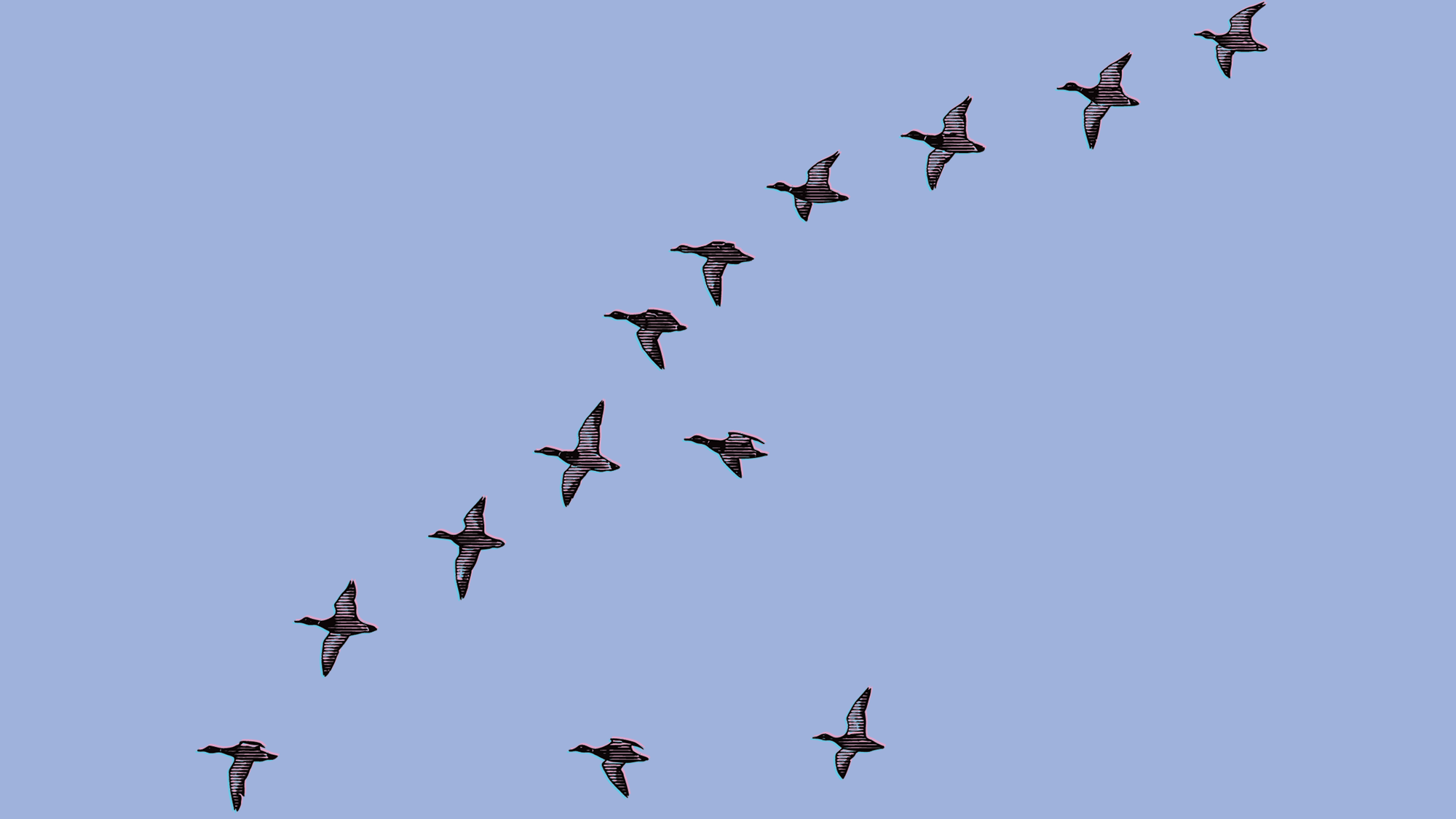
In early November, Washington State reported the death of one of its residents due to bird flu. This announcement brought a feeling of familiarity, as a similar case occurred in the region last year—the third bird-flu fatality in the U.S. and the most recent one until now. As autumn approaches, the possibility of bird flu spreading from livestock to humans becomes more apparent.
Scientists are keen to understand whether the surge in bird flu among wild species will lead to a seasonal increase in cases among farmed animals, which could subsequently result in more human infections. North America had not experienced significant bird flu until a few years ago, when migratory waterfowl from Europe introduced a new strain of the virus that proved highly adaptable to migrating birds.
Since then, the virus has infected over 2,200 commercial and backyard poultry flocks in the United States, amounting to more than 200 million birds. More than 70 human cases have been confirmed, with many more likely unreported. Most of the patients, including the three who died, contracted the disease from livestock. Throughout this period, the virus has been spreading among wild birds, prompting researchers to investigate its origins.
Studies have revealed changes in the virus that have transformed certain waterfowl, especially mallard ducks, into major vectors for spreading bird flu across wide areas. Mallards carrying the virus can migrate vast distances, such as from Alaska to San Francisco, potentially infecting other species along the way. Infected ducks may not exhibit symptoms or die rapidly, allowing the virus to evolve new potentially dangerous mutations.
Scientists are uncertain about when bird flu will reach its peak each year, but evidence suggests that wild bird cases typically peak in the fall, sometimes followed by a smaller surge in February. This pattern aligns with the migration of wild aquatic birds. Additionally, spillovers of bird flu into farm animals seem to follow a similar trend.
It is believed that cattle may have contracted the virus from migrating birds, similar to the path taken by poultry. Infected birds likely contaminated cattle feed by leaving droppings in their vicinity. Research has shown that less pathogenic avian flu viruses can remain infectious in animal feces for up to seven months. Louise Moncla, a University of Pennsylvania School of Veterinary Medicine scientist, cautions that other factors, such as biosecurity measures, can impact the likelihood of the virus spreading to and within farms.
In the U.S., the disease has been spreading among cattle, but enhancing surveillance for bird flu along major migratory routes and implementing stricter protections for farmworkers in affected areas could mitigate the risk. Some states have even authorized culling of non-native migratory starlings to reduce the risk of bird flu in cattle populations.
Public-health officials maintain that the risk of bird flu to the general population remains low. However, the emergence of this virus has become an integral part of our world, unlike in previous times. Previously, wild bird populations caught the virus in isolated instances from animal farms; after a new strain emerged a decade ago, wild birds began contracting the virus more frequently among themselves.
Last year, 29 countries in Europe detected wild birds carrying the highly infectious pathogen, and the number of cases in captive and domestic birds was twelve times higher than two years prior. The virus has now been identified in 230 wild-bird species within the United States. Some human cases may arise from direct exposure to the virus shed by wild birds.
In a case from Canada, the virus isolated from the sole locally acquired human infection closely resembled that found in two deceased wild geese. None of the 25 animals the previously healthy teenager had been in contact with, including household pets, tested positive for the virus (the teenager contracted the illness, but has since made a full recovery).
Ultimately, the most alarming concern is that the bird-flu virus may mutate to facilitate easy person-to-person transmission. For now, the primary concern lies with livestock workers and, according to Nichola Hill, a biologist at the University of Massachusetts at Boston, duck hunters.
Written by urgent.news from The Atlantic's reporting — not their text. Machine-written — may contain errors; check the original before relying on it.