Temperature Swings Are Melting the Ice in Lava Beds National Monument’s Caves
Ice caves in Lava Beds National Monument, their climates traditionally defined by narrow temperature ranges, are becoming more like regular caves.
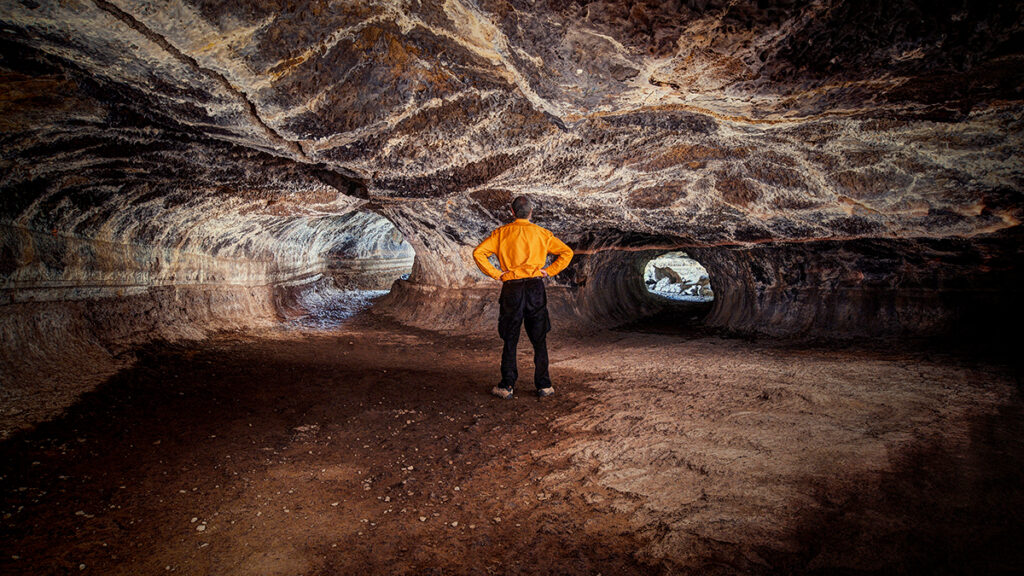
Lava Beds National Monument, located in northeastern California, houses over 800 caves, making it the national park unit in the U.S. with the most caves. Among these is a unique variety known as "ice caves," although distinct from glacier ice caves. These caves maintain perennial ice formations, but a new study to be presented at AGU’s Annual Meeting on December 8 reveals that the internal climate of these caves is changing, erasing the defining ice features.
Amelia Weiss, a former cave scientist at the Great Basin Institute and now an assistant data scientist at Colorado State University, analyzed data from 2024 using National Park Service cave monitoring systems. She found that the temperature within ice caves has shifted over time, indicating a loss of ice. Ice caves are unique ecosystems that support diverse life forms, including microbes, insects, and sometimes even ancient records of paleoclimate.
The loss of these ice features could drastically alter the ecosystem and disrupt the habitat for certain insects. Weiss is particularly concerned about the loss of these ice formations as they serve as valuable research tools, offering localized climate history through ice core samples. She hopes that further research can determine whether this phenomenon is localized or part of a broader trend, emphasizing the importance of preserving these ice caves for future generations.
Written by urgent.news from Eos's reporting — not their text. Machine-written — may contain errors; check the original before relying on it.