Marginal oil and gas wells have outsized pollution impact
Low-producing oil and gas wells in the US account for 5 per cent of national oil and gas production but produce 40 per cent of the industry's methane emissions
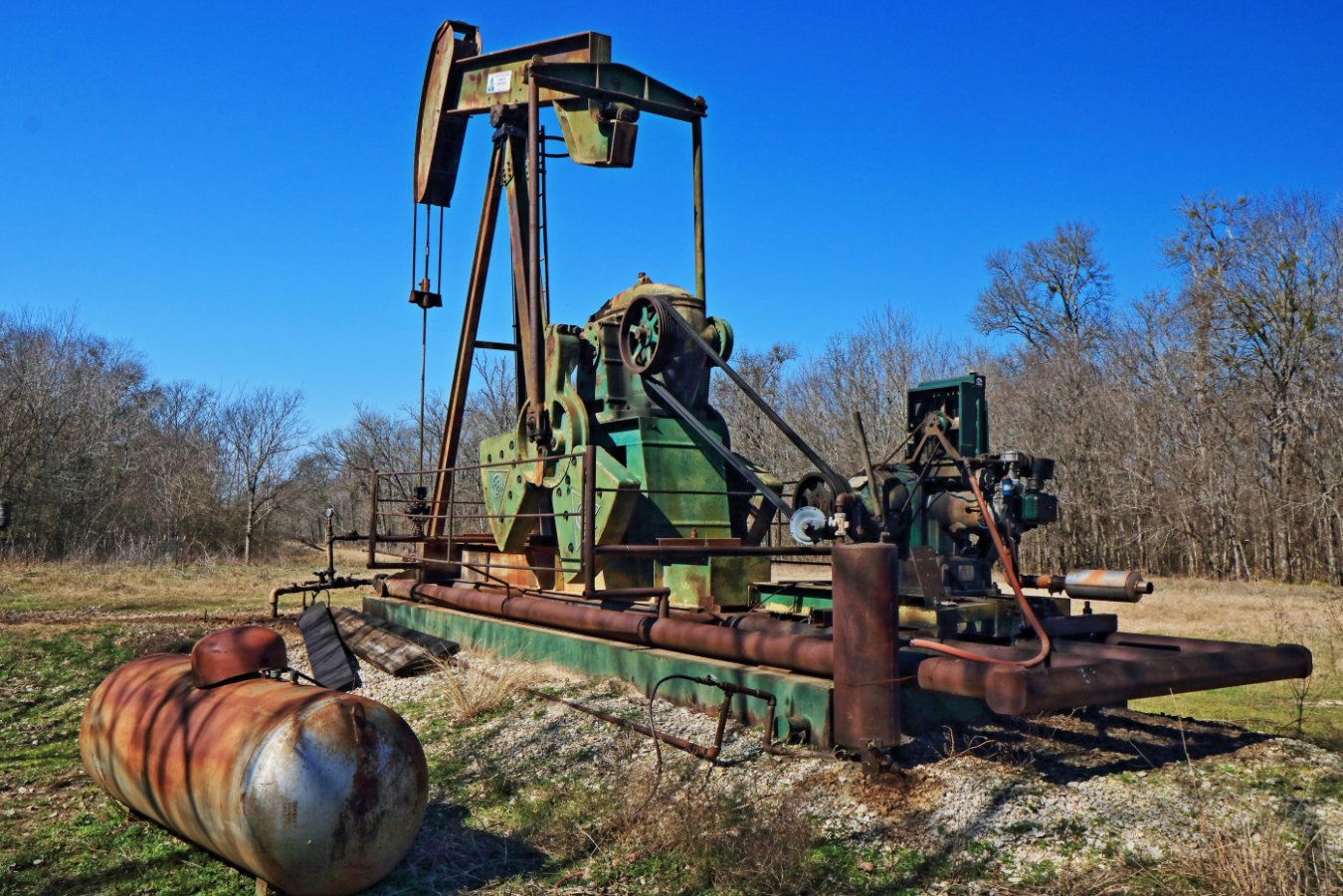
Satellite imagery has shown that the majority of methane pollution from oil and gas infrastructure in the United States originates from hundreds of thousands of small, low-producing wells scattered across the country. This has led to calls for stricter climate regulation of these marginal wells. Mark Omara, from the Environmental Defense Fund, states that emissions from marginal wells are an often-overlooked mitigation opportunity.
The administration of President Donald Trump recently relaxed laws governing methane emissions from oil and gas wells, lowering standards for marginal wells. However, Omara's research indicates that these marginal wells should be the top priority for methane reduction efforts. The researchers compiled methane emissions data covering over 80% of US onshore oil and gas production, sourced from the MethaneSat satellite, for the period from May 2024 to June 2025.
They then extrapolated this data to estimate methane emissions from oil and gas infrastructure across the contiguous US. Marginal wells, which produce less than 15 barrels of oil equivalent per day, make up about 5% of US oil and gas production but are responsible for 58% of all methane emissions from well sites and 40% of methane emissions across the entire oil and gas supply chain.
Compared to high-producing wells, marginal wells are 10 times more polluting per unit of fuel extracted. The study is the most comprehensive of its kind, bridging the gap between global emissions mapping and satellite tracking of low-level but constant emissions from these marginal wells.
Written by urgent.news from New Scientist's reporting — not their text. Machine-written — may contain errors; check the original before relying on it.