Swat basin faces over 5°C warming by century’s end
ISLAMABAD: A glacier risk assessment of the Swat watershed has warned that the basin is expected to warm by more than 5°C by the end of the century, particularly between October and June. Winter rainfall is expected to change little, but summer rainfall could more than double under some climate scenarios, according to the assessment carried out by the Green Climate Fund (GCF), with support from…
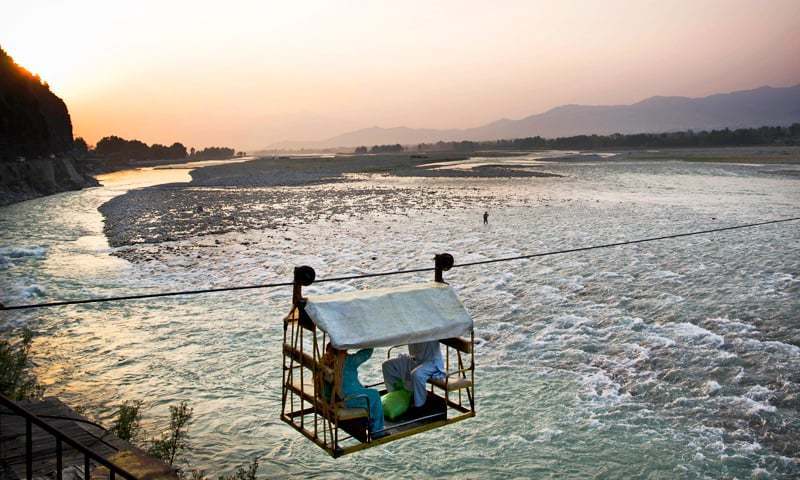
Islamabad has been warned that the Swat watershed will see a warming of over 5 degrees Celsius by the end of the century, according to a glacier risk assessment. Conducted by the Green Climate Fund (GCF) with support from the Asian Development Bank (ADB), the assessment reveals significant changes in rainfall patterns, with summer rainfall potentially doubling in some scenarios.
While winter rainfall remains largely unchanged, the altered precipitation could lead to severe floods and erosion risks, alongside short-term water availability increases from glacier melt and runoff. Long-term, however, these glaciers are expected to continue receding, resulting in long-term declines in water availability. The Swat basin, home to more than 10,000 glaciers, faces heightened risks of infrastructure failure, floods, agricultural losses, and valley erosion.
The GCF has assessed glacier risks in four representative watersheds across Central and West Asia, including Kura, Naryn, Pyanj, and Swat, each representing diverse glacier and hydrological conditions. These assessments, part of the 'Glacier to Farms' program, aim to inform future expansion to transboundary watersheds in the region.
The analysis of 40 years of weather records and global climate models has revealed accelerating glacier retreat, growing water security risks, and priorities for resilience, adaptation, and regional cooperation. By examining long-term temperature, precipitation, and cryosphere trends, the assessment projects temperatures rising by 3°C to 5°C by 2100, causing glacier, snow, and permafrost loss.
Seasonal water availability is also projected to shift, with earlier snowmelt, river flow peaks, and hotter summers increasing drought risks and water demand. While some areas may see more winter precipitation, overall water availability is expected to decline. The assessment underscores the risks of glacier melt and extreme events, such as glacial lake outburst floods and landslides, which are expected to intensify.
These risks can be mitigated through appropriate resilience measures, yet the melting of glaciers and permafrost will increase slope instability, rockfalls, ice avalanches, and glacial lake outburst floods, posing threats to infrastructure in mountainous and downstream regions.
Written by urgent.news from Dawn's reporting — not their text. Machine-written — may contain errors; check the original before relying on it.
This story
This is one outlet's version. Read the fullest account.