Swat basin faces over 5°C warming by century’s end
ISLAMABAD: A glacier risk assessment of the Swat watershed has warned that the basin is expected to warm by more than 5°C by the end of the century, particularly between October and June. Winter rainfall is expected to change little, but summer rainfall could more than double under some climate scenarios, according to the assessment carried out by the Green Climate Fund (GCF), with support from…
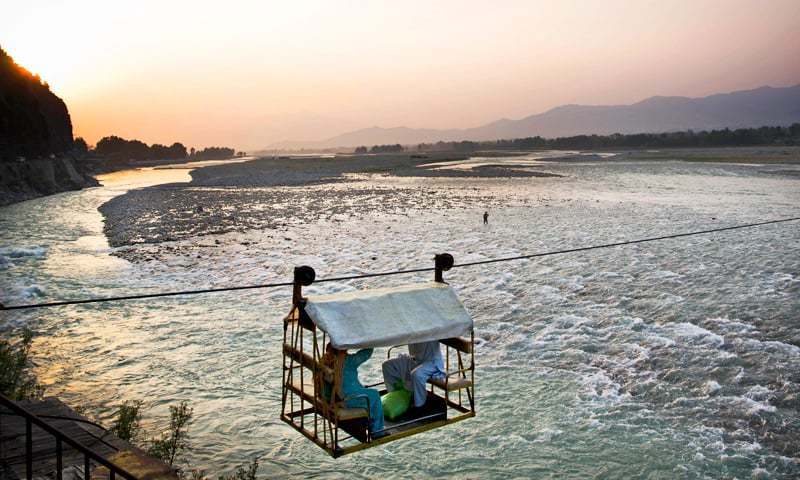
The Swat watershed, home to over 10,000 glaciers, faces an alarming warming trend, with temperatures expected to increase by more than 5°C by the end of the century, according to a recent risk assessment. This projected warming, particularly during the critical October to June period, is set to bring significant changes to the region's hydrological cycle.
While winter rainfall is anticipated to remain relatively unchanged, summer rainfall could more than double under certain climate scenarios. These shifts in precipitation patterns, combined with accelerated glacier retreat, are likely to heighten the risk of severe floods and erosion. Initially, there may be a short-term increase in water availability due to heightened glacier melt and runoff; however, the long-term outlook is grim as glaciers continue to recede, leading to a significant decline in water resources.
The assessment, conducted by the Green Climate Fund (GCF) with support from the Asian Development Bank (ADB), underscores the dire consequences of these changes. Infrastructure in the Swat basin, which is heavily dependent on glacier-fed water, stands at heightened risk of failure, potentially triggering devastating floods. Furthermore, the agricultural sector is threatened with losses, while valley areas are likely to experience increased erosion.
The basin is also projected to face a short-term water surplus followed by a prolonged water deficit, exacerbating existing water security challenges. The assessment, which forms part of the 'Glacier to Farms' (G2F) programme, also highlights the need for robust resilience measures. By strengthening adaptation efforts and fostering regional cooperation, it is possible to mitigate the risks associated with glacier retreat, slope instability, and shifting water availability.
Written by urgent.news from Dawn - Pakistan's reporting — not their text. Machine-written — may contain errors; check the original before relying on it.