Software squeezes more data out of Webb Telescope for imaging exoplanets
Software optimizes a physical model of the telescope to reduce noise.
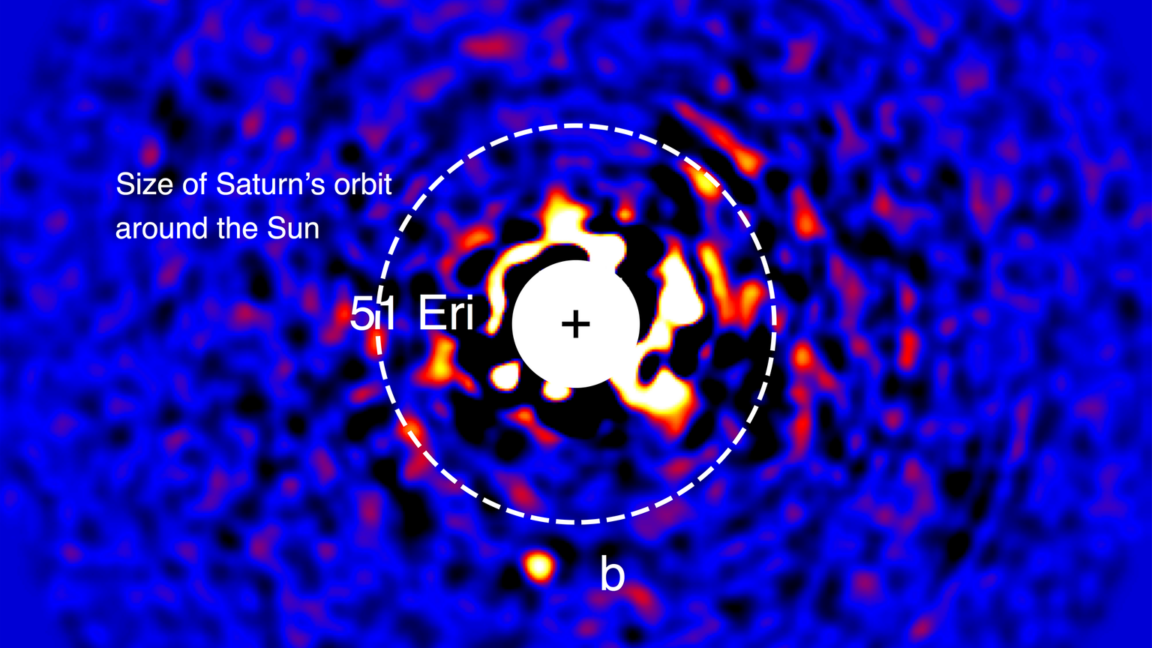
Researchers have developed a new software package that enhances data extraction from the James Webb Space Telescope, enabling improved imaging of exoplanets. The tool optimizes a physical model of the telescope to account for subtle variations in its configuration and pointing, resulting in low-noise images. The concept of a point spread function is central to this work.
When a telescope captures a single point of light, it doesn't appear as a sharp point in the final image. Instead, it becomes slightly blurry and spreads out, due to imperfections in the hardware and the telescope's accuracy in maintaining its position during the image capture process. The mathematical description of how a telescope distorts a point of light is known as its point spread function.
Written by urgent.news from Ars Technica Science's reporting — not their text. Machine-written — may contain errors; check the original before relying on it.
This story
This is one outlet's version. Read the fullest account.