2,800-year-old tomb in Siberia has evidence of the earliest use of cannabis — possibly as a way to calm human sacrifice victims
Seeds found in an ancient grave and chemical compounds discovered in mummy hair have revealed people got high on marijuana 2,800 years ago.
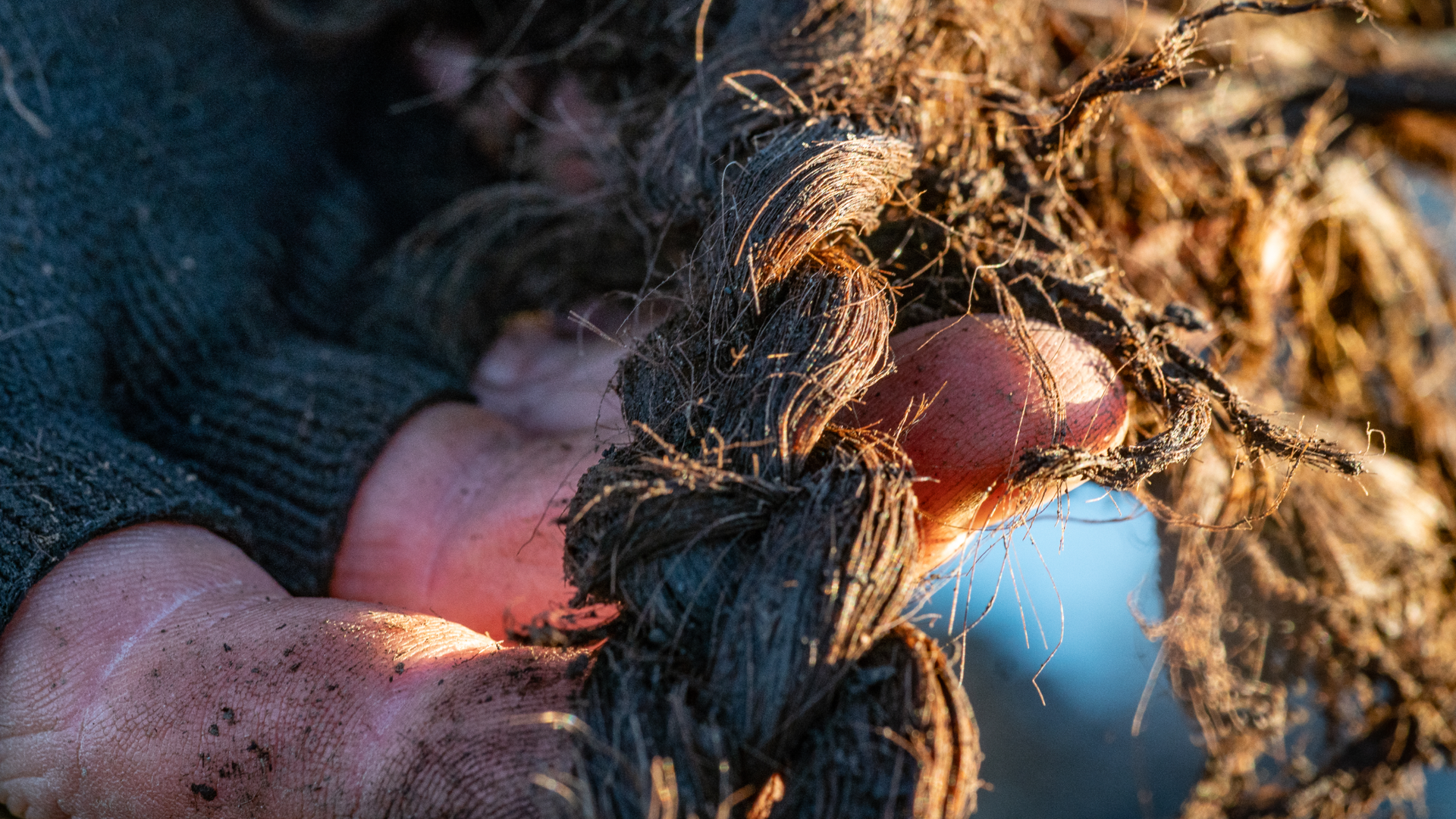
Archaeologists have discovered the earliest known evidence of cannabis use in a 2,800-year-old tomb in Siberia. The plant seeds and chemical traces of the drug were found within the grave, suggesting a possible ritual involving the calming of human sacrifice victims. The burial site, located at the Tunnug archaeological site in southern Siberia, contained four wooden structures with log coffins and the remains of sacrificed horses and humans.
Researchers from the Max Planck Institute of Geoanthropology in Germany analyzed cannabis seeds and hair samples from the site, carbon-dating the seeds to between 800 and 760 B.C. The presence of cannabinol and THC, two psychoactive compounds found in cannabis, in the hair samples indicates that the plant was used for its intoxicating properties.
The researchers believe that the use of cannabis in this context may have served a darker purpose due to the presence of both horse and possibly human sacrifices. The findings push back the date of cannabis use in funeral rituals by three centuries, extending the known history of the practice in Central Asia. Further research is planned to explore other aspects of ancient cannabis use.
Written by urgent.news from Live Science's reporting — not their text. Machine-written — may contain errors; check the original before relying on it.
This story
This is one outlet's version. Read the fullest account.
- Tomb in Siberia reveals humans were using cannabis 2800 years ago newscientist.com