SBI Data Breach Raises Cybersecurity Concerns: 8 Steps To Protect Your Bank Account
State Bank of India has confirmed that personal details of 3,897 customers were found on the dark web after a suspected cyberattack, intensifying concerns about identity theft, targeted fraud and the security of India’s banking ecosystem. The exposed records reportedly included names, mobile numbers, email and residential addresses, dates of birth, gender, branch and CIF identifiers, and…
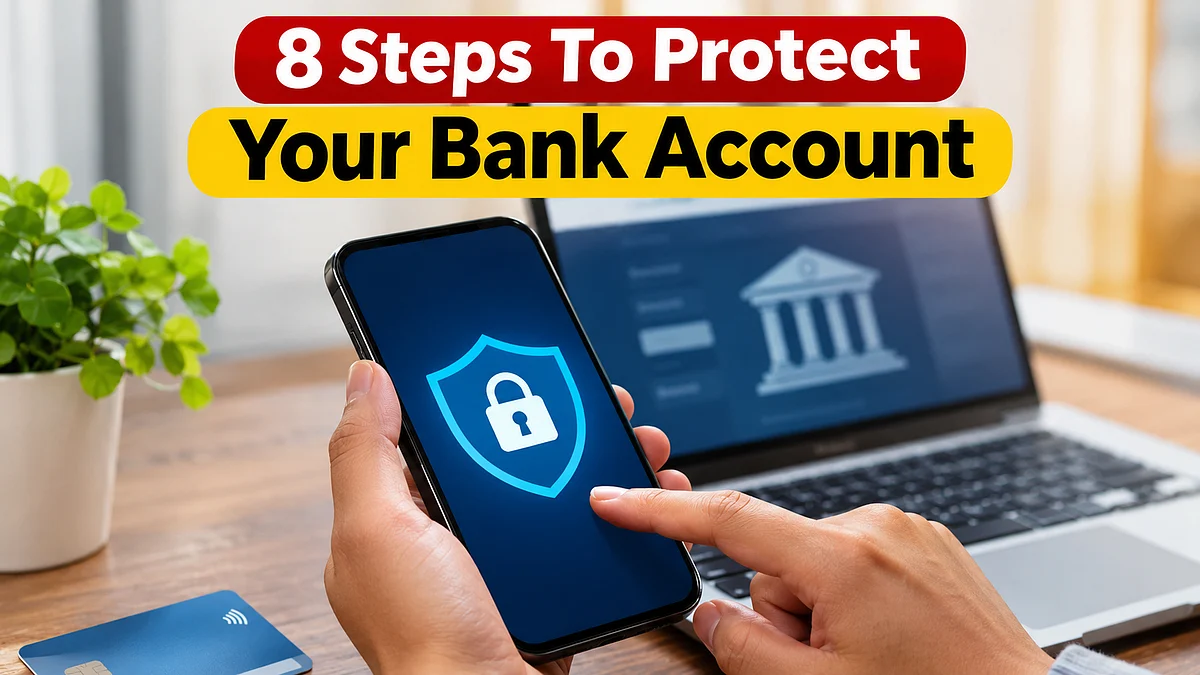
The State Bank of India has disclosed that personal information belonging to 3,897 customers was discovered on the dark web following a suspected cyberattack. This breach has heightened concerns over identity theft, targeted fraud, and the overall security of India's banking system. The compromised data encompassed names, mobile numbers, email addresses, residential addresses, dates of birth, gender, branch and CIF identifiers, and loan-related details.
These pieces of information are highly sought after by cybercriminals, who can exploit them to launch scams, impersonate bank officials, execute phishing campaigns, execute SIM-swap fraud, or apply for fraudulent loans using stolen identities.
To bolster security, individuals are advised to adopt a series of protective measures. Firstly, the use of complex, unique passwords for each account is crucial, as such passwords are the first line of defense among the suggested safeguards. Secondly, enabling two-factor authentication (2FA) adds an extra layer of security, preventing unauthorized access even if passwords are compromised.
However, it is imperative to keep authentication codes private, never disclosing them to anyone, even if they claim to be from the bank. Thirdly, vigilance against phishing attempts is vital, as messages containing accurate personal information, including those mentioning the bank, might not necessarily be genuine. Fourthly, banking activities should be conducted over secure internet connections, preferably private networks, rather than public Wi-Fi hotspots.
Fifthly, maintaining the security of personal devices is essential, with regular updates and antivirus software being recommended. Sixthly, customers should routinely monitor their bank accounts for any suspicious transactions and report them immediately to the bank or relevant authorities. Seventhly, safeguarding UPI PINs, OTPs, and other sensitive information is critical, as sharing these credentials could lead to unauthorized transactions.
Lastly, setting up transaction alerts ensures immediate notification of any unauthorized activities, allowing customers to respond promptly and mitigate potential losses.
Written by urgent.news from Free Press Journal's reporting — not their text. Machine-written — may contain errors; check the original before relying on it.