Pinning down the structure of quark-gluon plasma, the universe’s first fluid
A new method picks up where Einstein left off, to predict how particles move through fluid under extreme conditions.
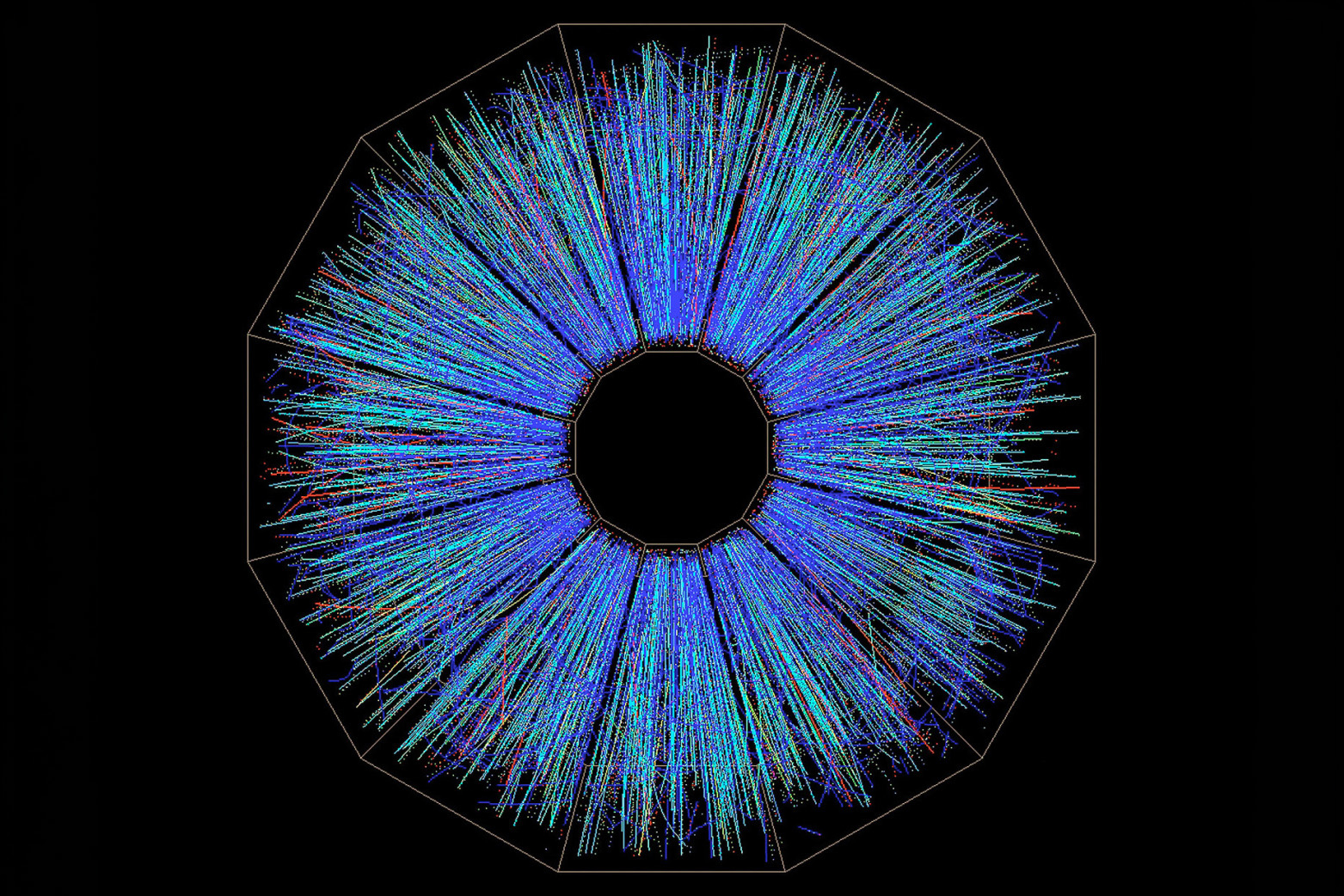
During the fraction of a second after the Big Bang, the universe was composed of a trillion-degree plasma containing quarks and gluons, subatomic particles traveling near the speed of light. This fleeting soup lasted for merely microseconds, after which particles coalesced into stable protons and neutrons. To study this initial fluid, scientists recreate quark-gluon plasma in particle accelerators by colliding ions at near-light speed, generating plasma droplets that last only tens of septillionths of a second.
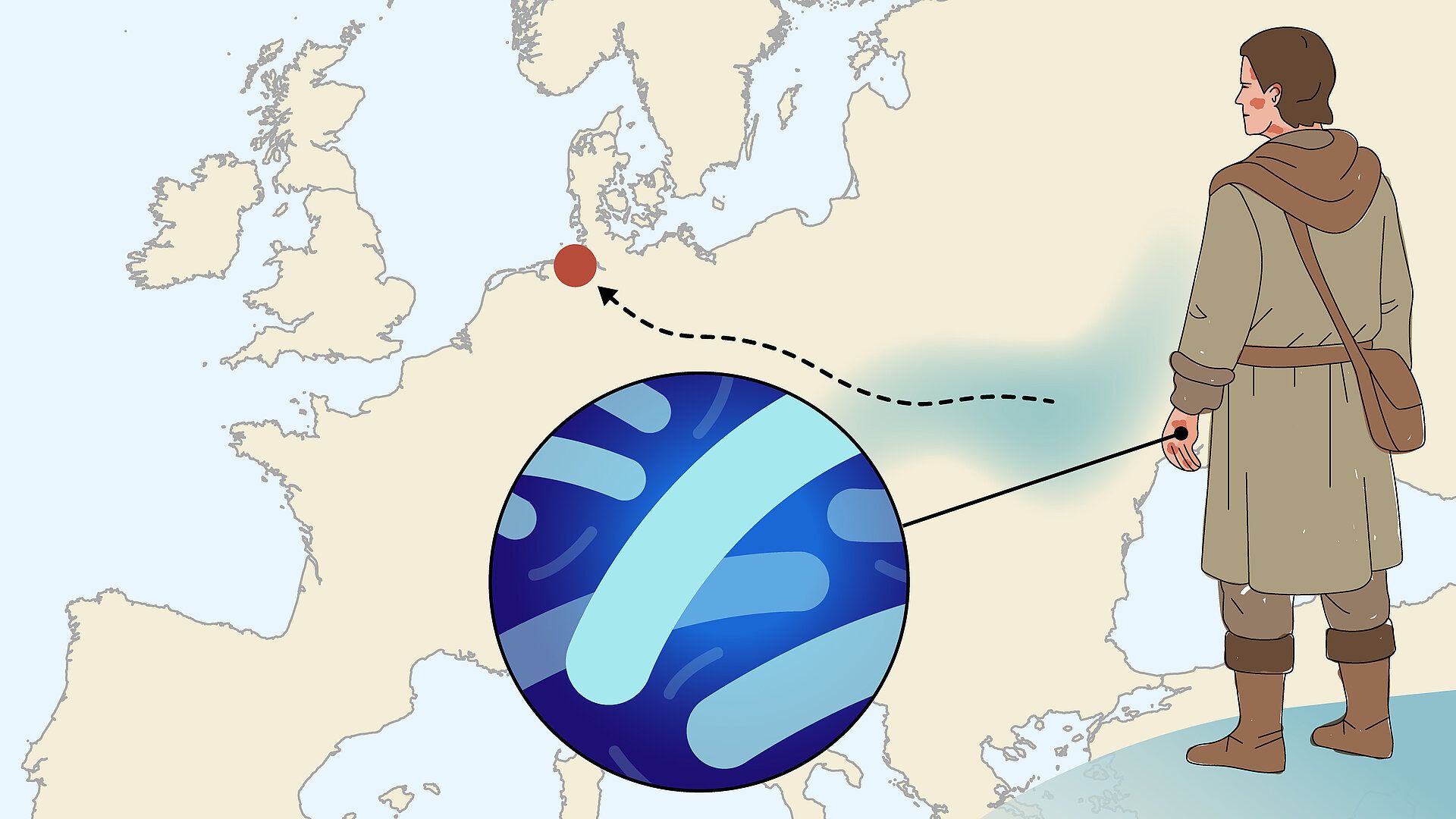
One method of research involves tracking heavy particles, like quarks, that briefly traverse the plasma. The behavior of these heavy particles can provide insights into the plasma's microscopic structure, a principle Einstein established in 1905 for ordinary fluids. However, in extreme conditions where particles move near the speed of light, Einstein's theory begins to falter and fails to account for certain interactions within the plasma.
MIT and UCSB physicists have now developed a theory to predict how a relativistic particle moving close to the speed of light would be influenced by such a fluid. The researchers believe this new theory could predict the trajectory of heavy quarks through quark-gluon plasma. By comparing these predictions with experimental data, scientists may characterize the plasma's microscopic nature and the fluid that existed in the universe's earliest moments.
Written by urgent.news from MIT News Research's reporting — not their text. Machine-written — may contain errors; check the original before relying on it.