Netanyahu loses religious party’s support as rival tipped to form govt
United Torah Judaism declined to recommend Benjamin Netanyahu as prime minister, as rival Gadi Eisenkot appeared likely to have the first chance to form a government.
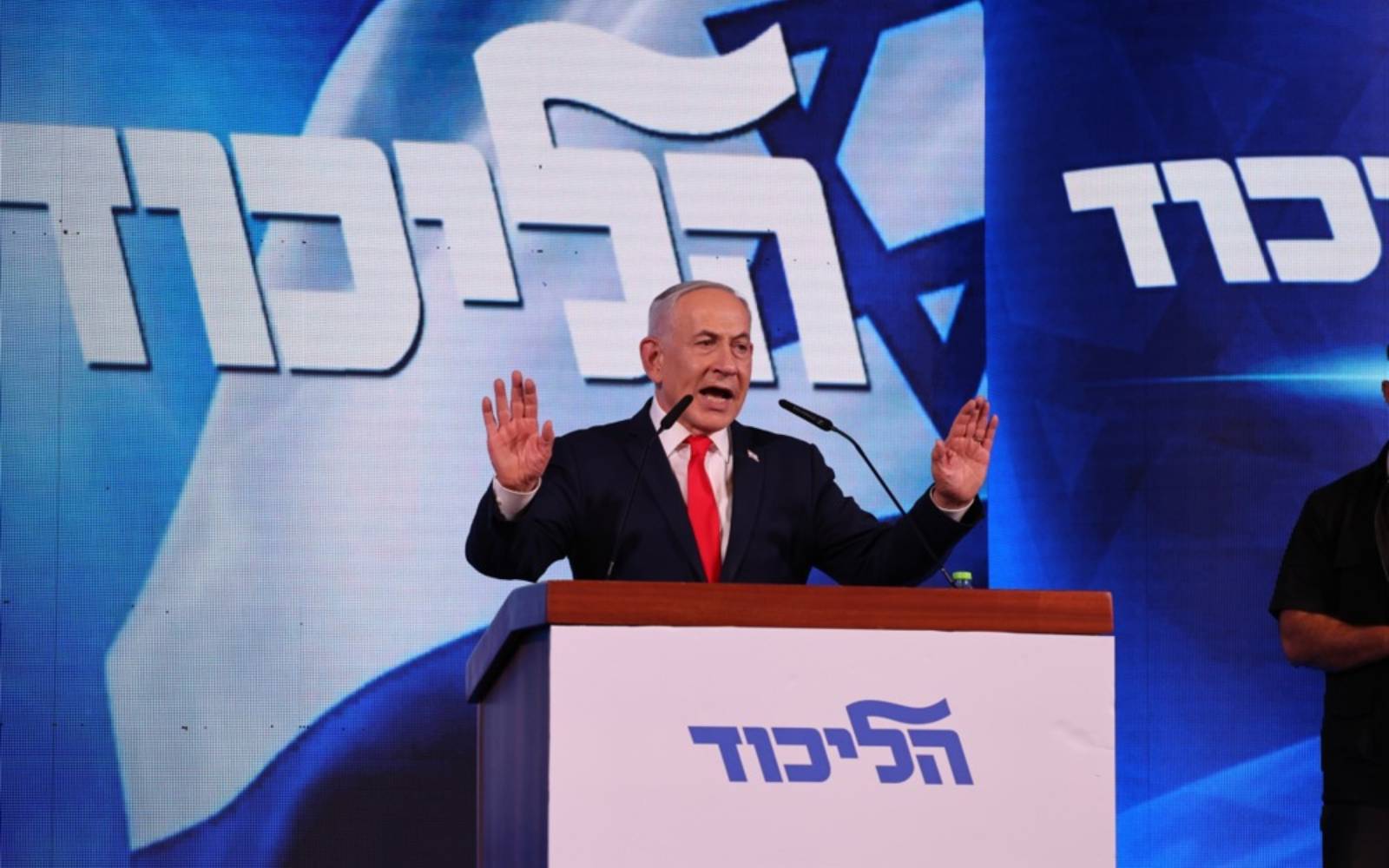
In the wake of Israel's recent election, ultra-Orthodox Jewish party United Torah Judaism has opted not to back Prime Minister Benjamin Netanyahu for another term as the nation's leader. This development comes amidst growing discontent with Netanyahu's hard-right government, which has seen Israeli-Arab parties claim 19 seats in the election. The election, which took place on October 27th, saw neither Netanyahu nor his rival Gadi Eisenkot secure a majority of votes.
United Torah Judaism, which has historically supported Netanyahu following the previous five elections, informed President Isaac Herzog that it will not recommend any member of the Knesset to form a government. The party, representing Ashkenazi and Sephardic ultra-Orthodox Jews, has expressed a strong focus on resolving the status of Torah students, as they continue to push for exemptions from military service.
These exemptions, which have been upheld by Netanyahu but not yet enshrined in law, have generated significant resentment among many Israelis due to reservists serving multiple tours in Gaza, Lebanon, and Iran.
Eisenkot, a former military chief, has been vocal about his desire to eliminate these exemptions, a stance that has drawn criticism from some opposition allies who view ultra-Orthodox Jews as self-serving. Observers suggest that United Torah Judaism's decision may be aimed at punishing Netanyahu and demonstrating that their votes are not guaranteed, but they could still participate in a government if he were to form one.
With President Herzog currently in the process of consulting with political parties on October 28th, the likelihood is that he will approach Eisenkot with the mandate to form a government. Typically, Herzog chooses the person who receives the most party recommendations, making it highly probable that he will turn to Eisenkot. Once a mandate is granted, the lawmaker has 28 days to form a government, with a potential extension of 14 days.
If the chosen lawmaker fails to establish a government, Herzog will then task another individual. Netanyahu's bloc, which includes United Torah Judaism, holds 53 seats in the new parliament, compared to Eisenkot's bloc with 48 seats. Additionally, Israeli-Arab parties have seen a surge in strength due to their anger over Netanyahu's hard-right government, securing 19 seats in the election.
Written by urgent.news from Free Malaysia Today's reporting — not their text. Machine-written — may contain errors; check the original before relying on it.
This story
This is one outlet's version. Read the fullest account.
- Netanyahu loses religious party’s support as rival tipped to form govt freemalaysiatoday.com
- Ultra-Orthodox party snubs Netanyahu, declines to back him as Israel PM; rival Eisenkot tipped to form government hindustantimes.com
- Rival Eisenkot gains ground as Netanyahu's religious ally refuses to back him nst.com.my
- Haredi party declines to back Netanyahu in presidential consultations haaretz.com