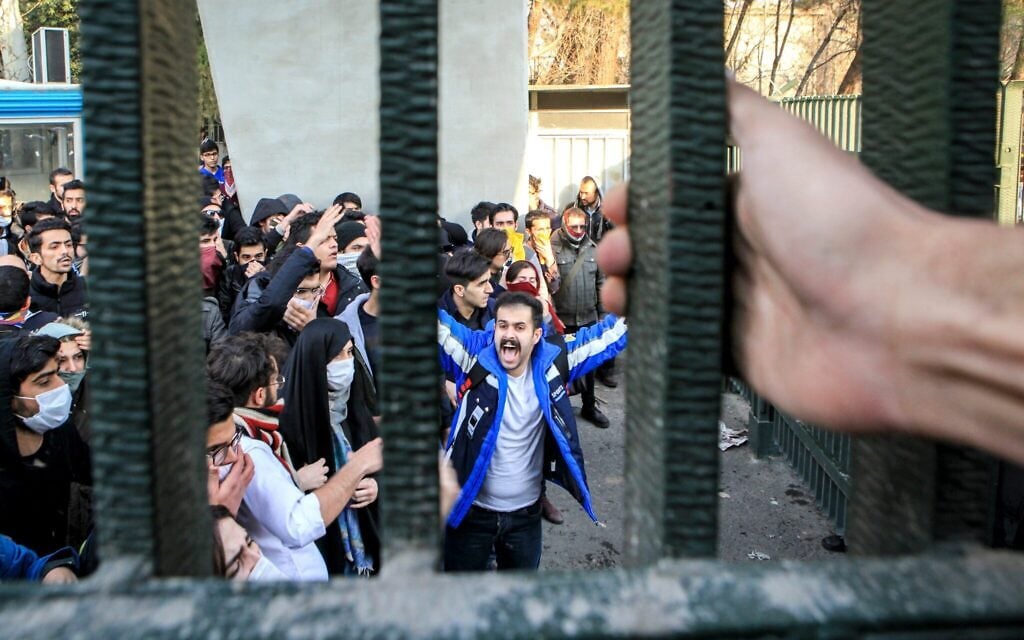
Haredi party declines to back Netanyahu in presidential consultations
The move is expected to put Eisenkot ahead of Netanyahu in official recommendations by the end of Wednesday's presidential consultations, positioning him to receive the mandate to form a government
In Jerusalem, United Torah Judaism, an ultra-Orthodox Jewish party that has historically supported Benjamin Netanyahu, has decided not to recommend him to remain as Israel's prime minister. This development comes as signs emerge that Gadi Eisenkot, a rival, may be given the first opportunity to form a government following the October 27 election.
The election did not result in either Netanyahu, a controversial right-wing leader who has governed Israel for three years amid conflict, or Eisenkot, securing a majority of votes. United Torah Judaism, which had backed Netanyahu in the past five elections, informed Herzog, Israel's president, that they would not recommend any Knesset member to form a government.
The party, representing Ashkenazi and Sephardic ultra-Orthodox Jews, has been supported by Netanyahu as they strive to maintain a military service exemption for religious students. Netanyahu has maintained this exemption but has not formalized it into law, causing significant discontent among many Israelis due to reservists having to serve multiple tours because of wars in Gaza, Lebanon, and Iran.
In any future government, the immediate concern for United Torah Judaism is resolving the status of Torah students, as stated by lawmaker Isaac Pindrus. Eisenkot, a former military chief aiming to unite the center and center-right, has consistently advocated for closing military service exemptions, facing criticism from some opposition allies who see the ultra-Orthodox as self-serving.
Observers suggest that United Torah Judaism's stance might be a way to express dissatisfaction with Netanyahu and demonstrate that their votes are not easily obtained, although they could still participate in a government if he were to form one. President Herzog has been holding consultations with political parties on the second day after the election.
Typically, he chooses a person to form a government based on who receives the most party recommendations, making it likely that Eisenkot will be approached. Once Herzog gives Eisenkot the mandate, that individual will have 28 days to form a government, with a potential 14-day extension. If unsuccessful, Herzog will then consult with another person.
Netanyahu's coalition, which includes United Torah Judaism, holds 53 seats in the new parliament, compared to Eisenkot's 48 seats. Israeli-Arab parties, buoyed by anger over Netanyahu's hard-right government, gained 19 seats. Eisenkot could potentially form a government with the Arab parties, but this move could alienate some opposition members.
Written by urgent.news from New Straits Times's reporting — not their text. Machine-written — may contain errors; check the original before relying on it.
This story
This is one outlet's version. Read the fullest account.
- Eisenkot tipped for Israel govt as party drops Netanyahu rte.ie
- Netanyahu loses religious party’s support as rival tipped to form govt freemalaysiatoday.com
- Netanyahu loses key religious party backing as rival edges closer to power malaymail.com
- Ultra-Orthodox party snubs Netanyahu, declines to back him as Israel PM; rival Eisenkot tipped to form government hindustantimes.com
- Rival Eisenkot gains ground as Netanyahu's religious ally refuses to back him nst.com.my
- Netanyahu's position weakens as ultra-Orthodox party withholds support al-monitor.com
- Herzog begins coalition talks as Eisenkot, Netanyahu vie for mandate to form government ynetnews.com