MOUNTAIN OF WORK: Cape Town’s baboon rangers — the unsung heroes of human-wildlife conflict
Clearly run off their feet, but obviously respected and admired by locals, baboon rangers are an invaluable asset in managing the Southern Peninsula troops. A recent ‘raid’ in Red Hill revealed just how tough, and vital, their job is.
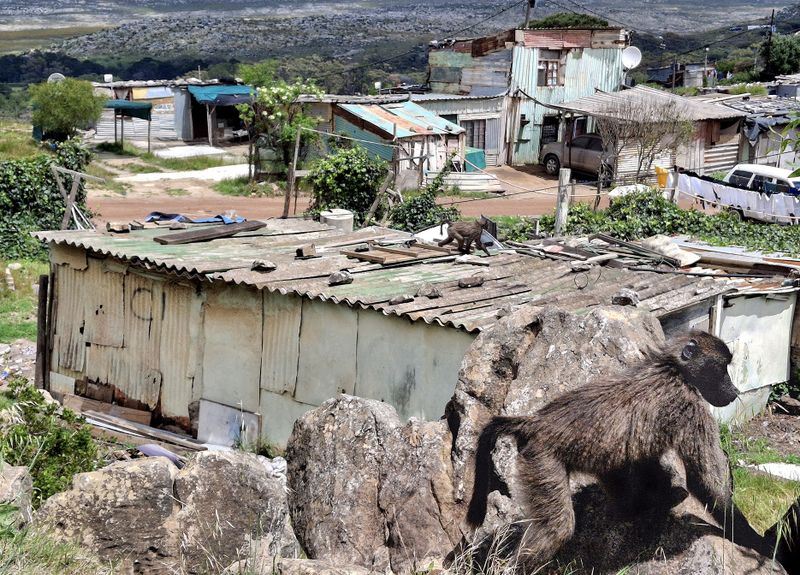
In South Africa's Cape Town, baboon rangers, often overlooked heroes, play a crucial role in managing human-wildlife conflict. Their work, as detailed in a recent incident in Red Hill, showcases the challenges and importance of their job. Baboon rangers, sometimes referred to as monitors, have been involved since 2009, initially funded by Baboon Matters, a baboon advocacy group. Since 2013, they have been managed by specialized wildlife organizations, including Shark Spotters.
Success in managing baboon incursions varies across different areas. Some locations, like Zwaanswyk and Tokai, have minimal baboon intrusions due to natural forage and electric fences. However, in other areas, such as the habituated Simon’s Town troops of Waterfall and Seaforth, it remains difficult to keep the baboons out despite having fewer baboons per ranger. Consequently, these troops are considered for relocation to a sanctuary.
The ongoing effort involves erecting strategic electric fences, particularly around the Constantia vineyards. This will help prevent the Constantia troops (CT1 and CT2) from crossing over Constantia Nek into urban areas. Baboon rangers' job is challenging and requires adaptability. Their recent encounter in Red Hill, where a troop of Groot Olifantsbos baboons entered the informal settlement, demonstrated their dedication and the difficulties they face.
With only four rangers assigned to over 50 baboons, assistance from other rangers was crucial to manage the situation effectively.
Despite the tough conditions, baboon rangers are respected and admired by locals. Their interactions with the community, such as calming a child and requesting residents to refrain from provoking the baboons, highlight their positive impact. These rangers are knowledgeable about baboon behavior and ecology, noting that the troop's movement was likely due to diminished natural forage and fear of conflict with reserve troop males.
Their role is vital in maintaining a balance between human settlement and wildlife, suggesting that expanding such jobs could address the country's unemployment crisis while fostering eco-friendly employment.
Written by urgent.news from Daily Maverick's reporting — not their text. Machine-written — may contain errors; check the original before relying on it.