MAHA Supporters Say Trump’s Broken Promises Helped Democrats Win
Failures by Republicans to prioritize issues like pesticides prompted MAHA voters to pick Democrats or not to vote at all, activists say.
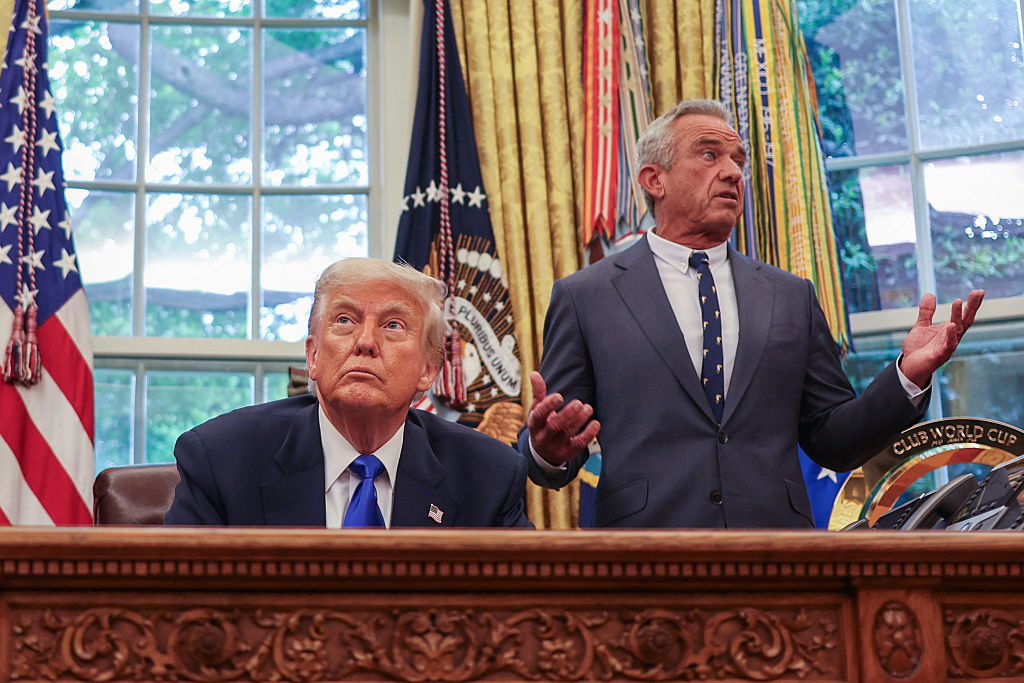
The Make America Healthy Again (MAHA) coalition played a significant role in President Donald Trump's re-election in 2024. However, two years later, MAHA supporters claim that their dissatisfaction with Trump's broken promises contributed to the Democrats winning the midterms. Issues such as pesticides and vaccines led to some MAHA voters supporting Democrats or abstaining from the midterms, according to activists involved in the movement.
The Democrats secured control of the House and Senate, winning seats in states that were typically Republican strongholds, including Texas, Kansas, and South Carolina. Zen Honeycutt, founder and executive director of Moms Across America, a group closely associated with MAHA, asserts that MAHA supporters stayed home on election day, handing victory to the Democrats.
She cites Trump's failure to fulfill promises related to pesticide regulations, nutrition reform, and vaccine-related issues as reasons for the lack of voter turnout. MAHA gained prominence during Trump's 2024 presidential campaign, when Robert F. Kennedy Jr., a vaccine skeptic, endorsed Trump and brought MAHA into the MAGA movement.
Kennedy led the U.S. Department of Health and Human Services (HHS) under Trump, but has faced criticism for his actions, such as reducing U.S. vaccine recommendations and research funding. Despite this, MAHA maintains national influence, with a KFF poll in May showing that 41% of U.S. adults support the movement. However, a majority of surveyed Americans disapprove of the Trump Administration's handling of vaccines.
MAHA's alliance with Trump's Make America Great Again (MAGA) movement has been fragile, as highlighted by a recent MAHA scorecard revealing that Trump has kept no promises, partially fulfilled five, and broken 37 of his campaign promises to MAHA supporters.
Written by urgent.news from Time's reporting — not their text. Machine-written — may contain errors; check the original before relying on it.