Israel Is Destroying the Machinery South Lebanon Needs to Rebuild
Israeli strikes on construction equipment and water infrastructure in South Lebanon have blocked recovery efforts, keeping displaced families away from their homes.
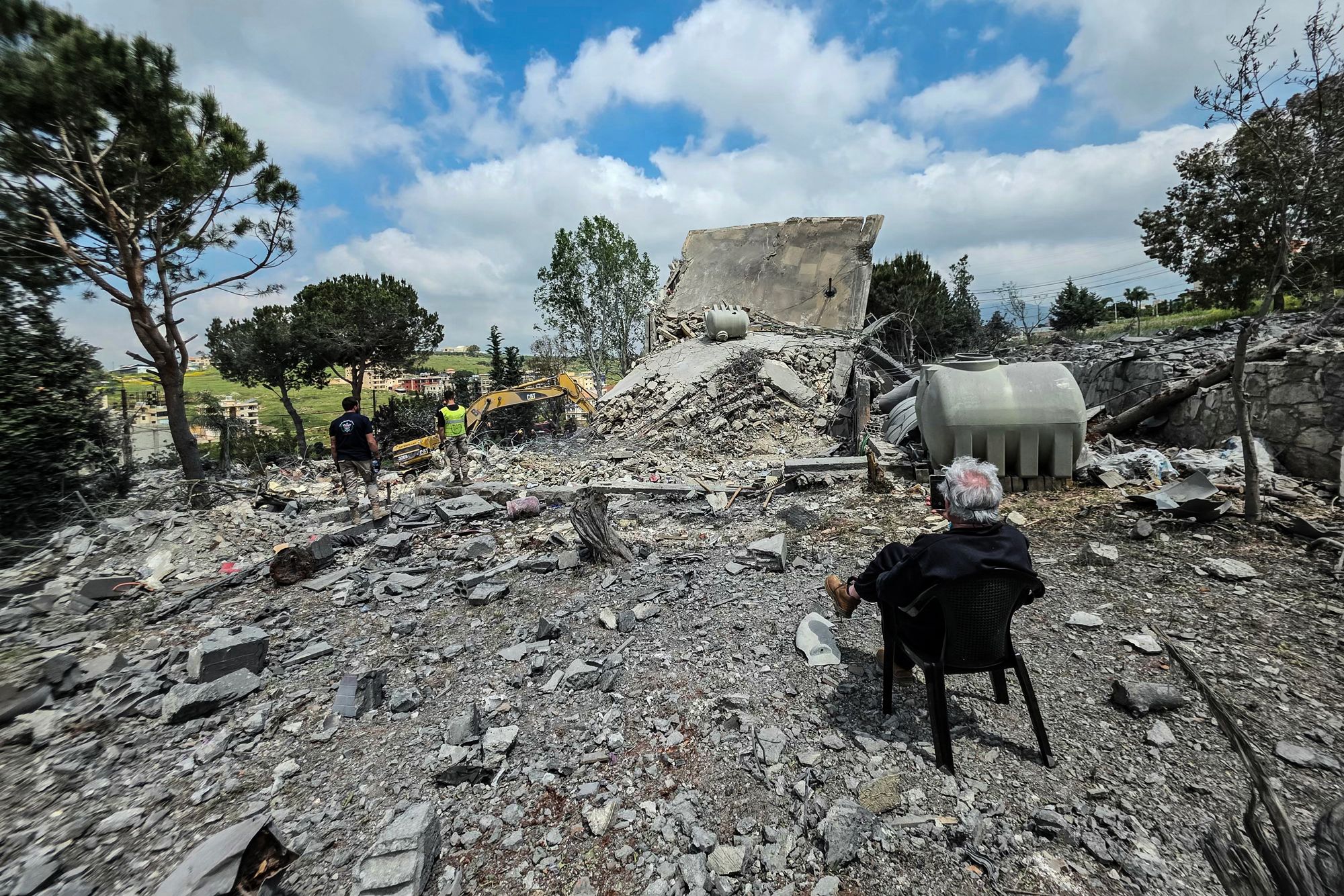
In Lebanon's south, Israel is systematically demolishing machinery vital for the area's reconstruction, a situation illuminated by Human Rights Watch (HRW) reports. According to Ramzi Kaiss, an HRW researcher in Lebanon, the presence of heavy machinery typically used in rebuilding is deemed a threat by some, potentially hindering recovery efforts.
Reconstruction requires more than rebuilding lost structures; it necessitates clearing roads, restoring water networks, and setting up factories to supply construction materials and equipment. However, HRW, as well as UN peacekeepers and aid workers, have documented Israeli attacks damaging these systems, with the fear of further strikes obstructing repair work.
"We've seen incidents where construction equipment was targeted, which made it difficult to clear rubble and for people to return to their lives," said Kandice Ardiel, a spokesperson for the United Nations Interim Force in Lebanon (UNIFIL).
Many residents returned post the 2024 conflict, and some did rebuild, but destruction has quickly followed. HRW's December 2025 investigation found that four Israeli attacks on heavy machinery showrooms and maintenance facilities, as well as a cement and asphalt factory, destroyed over 360 pieces of construction equipment between August and October 2025, after the November 2024 ceasefire between Israel and Hezbollah.
Each target had substantial supplies of necessary resources. Kaiss visited these sites and witnessed extensive destruction, noting the hundreds of heavy machinery pieces used in reconstruction. The Israeli military claimed the equipment supported Hezbollah's reconstruction, but HRW found no evidence of such military intent at or near the sites.
While HRW couldn't confirm the intended use of all attacked machines or stores of materials, it did verify civilian uses for some equipment and did not find evidence that these supplies were intended for military use.
Despite the destruction, the Israeli military claimed 23,000 homes and more than 60 villages were destroyed as of October. Israeli forces largely razed 48 of the roughly 60 villages and towns in the area they occupy, primarily after the April ceasefire. Israeli forces reportedly received no directive to demolish villages. In Jabal Amel, local officials reported that around 6,500 displaced families couldn't return to a dozen villages inside the Israeli-declared "Yellow Line" military zone, obstructing efforts to restore services.
Water supplies in this region are particularly affected, as boreholes used by villages lie in a valley held by Israeli troops, and damage to water infrastructure components has impeded water delivery. Temporary fixes, like plastic tanks and bypassing damaged tanks, are often the only viable options, but these are far from sustainable solutions.
The threat of further attacks also influences repair decisions, pushing for temporary fixes over permanent infrastructure. UN peacekeepers described challenging access routes for maintenance cranes due to damaged routes blocked by berms used as barriers. Some residents now rely on trucked-in water, a costly and limited substitute.
Israeli forces reportedly intimidated local water authorities and civil servants when attempting to reach damaged sites near the Yellow Line, creating an environment where investment in long-term repairs is discouraged.
Written by urgent.news from Wired's reporting — not their text. Machine-written — may contain errors; check the original before relying on it.