Große Unterschiede: Was eine Stunde Arbeit kostet
Ob Gastronomie, Luftfahrt oder Finanzwirtschaft: Die Kosten für eine Arbeitsstunde unterscheiden sich stark. Welche Regionen besonders weit auseinanderliegen.
In Germany, there remain significant regional disparities in the cost of labor. In 2024, an hour of work in Mecklenburg-Western Pomerania was on average €13 cheaper than in Hamburg, according to the Federal Statistical Office. This total cost encompasses the gross salary, social security contributions, and expenses for training and further education. Regional differences emerge partly due to varying industry mixes across the states.
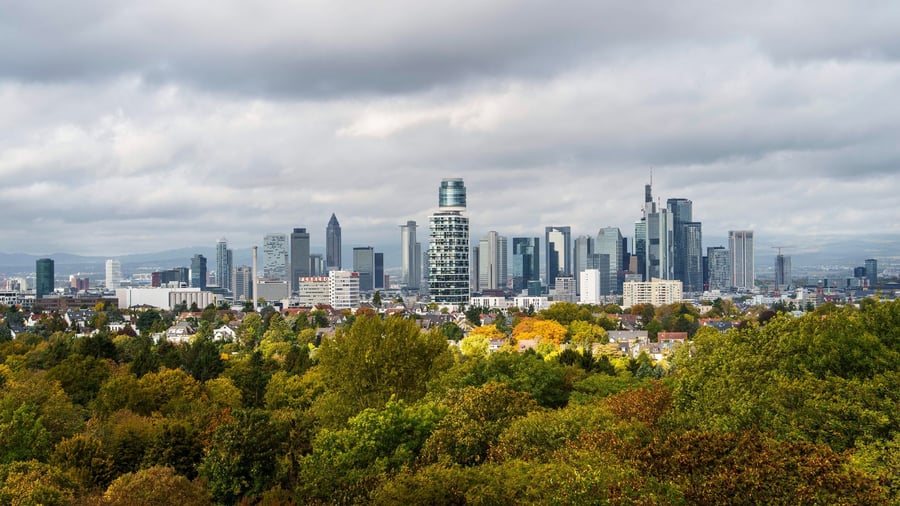
In tourism-focused regions like Mecklenburg-Western Pomerania and Schleswig-Holstein, average labor costs stand at €25.73 and €26.68 per hour, respectively. These are at the lower end of the cost spectrum. Conversely, highly skilled professions like tobacco processing (€75.82) and air passenger transport (€83.78) command the highest hourly wages. These figures reflect premium salaries for pilots and the cost of living in major hubs like Frankfurt Airport, which ranks second in Germany for labor expenses at €47.83.
Even the financial and insurance sectors experience above-average labor costs of €62.31. Across Germany, employer costs are lowest in the east, with all eastern states offering lower wages. Mid-range labor costs are found in states like Saarland, Lower Saxony, North Rhine-Westphalia, and Rhineland-Palatinate. The states with the highest labor costs are Hesse, Baden-Württemberg, Bavaria, and the city states, including Berlin. Unfortunately, more recent data from the Federal Statistical Office is not available.
Written by urgent.news from Handelsblatt's reporting — not their text. Machine-written — may contain errors; check the original before relying on it.