GH¢31bn informal cross-border trade faces hurdles despite AfCFTA commitments
Informal cross-border trade in Ghana, estimated at GH¢31 billion in the first three quarters of 2025, continues to face significant operational challenges, raising concerns about the country's ability to fully harness the benefits of the African Continental Free Trade Area (AfCFTA).
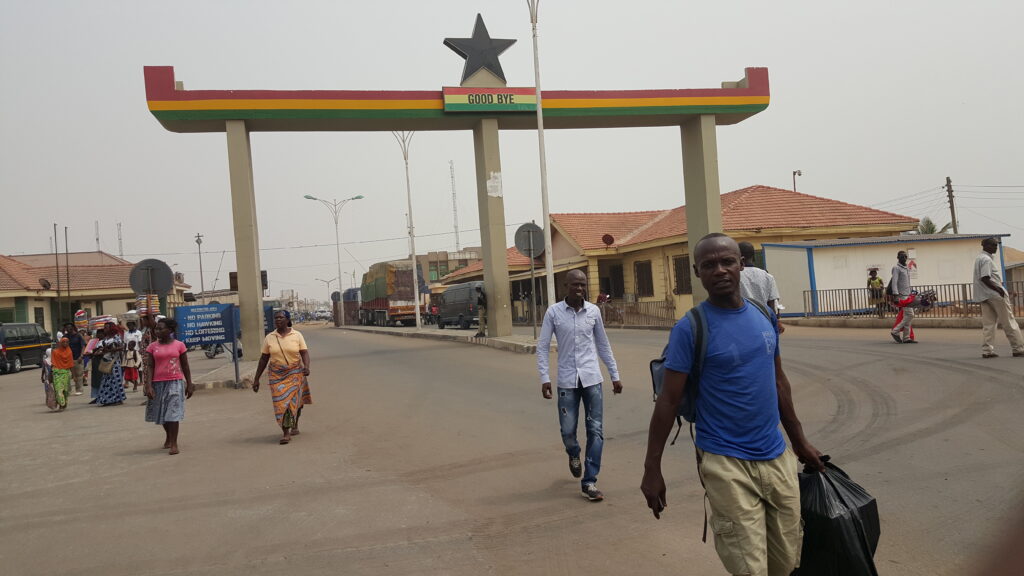
The informal cross-border trade in Ghana, valued at GH¢31 billion in the first three quarters of 2025, is grappling with significant hurdles despite the country's commitments to the African Continental Free Trade Area (AfCFTA). Small-scale traders, especially women, face numerous obstacles such as intricate border procedures, undisclosed levies, extended transit delays, poor infrastructure, and limited access to trade information.
These challenges, highlighted during a stakeholder dialogue in Aflao, Volta Region, reveal that informal cross-border trade was around 54 percent higher than formal land trade during the same period, accounting for about six percent of Ghana's overall trade.
Traders at the dialogue from Elubo, Hamile, Paga, Aflao, and Akanu expressed their ongoing difficulties in expanding their businesses and engaging fully in formal trade networks. They reported incidents of arbitrary fees, harassment, seized goods, and prolonged delays at border checkpoints. Additionally, they highlighted the lack of clear guidance on accepted trading procedures and the absence of effective complaint channels as factors that deter their participation in formal trade.
The Ghana Revenue Authority's Customs Division is addressing these issues by implementing the Simplified Goods Declaration (SGD) system, which enables traders to declare their goods and pay duties via simplified procedures. Joseph Mills, a Customs Division representative, emphasized the authority's efforts to streamline border operations. Nevertheless, stakeholders pointed out that existing AfCFTA and ECOWAS simplified trade arrangements have yet to offer specific safeguards for small-scale traders.
Dode Seidu, the National Coordinator of the AfCFTA National Coordination Office, emphasized that there is a substantial discrepancy between the commitments under the continental trade agreement and the day-to-day experiences of traders at Ghana's borders. He advocated for simplified, gender-responsive trade procedures, enhanced border infrastructure, accessible trade information, and stronger coordination among border agencies.
The stakeholder discussion, organized by the African Capacity Building Foundation (ACBF) in collaboration with the Ghana National AfCFTA Champions, also stressed the need to formalize informal trading activities without imposing extra barriers on small-scale operators.
The dialogue proposed a Joint Stakeholder Action Plan, which includes digitalizing border processes, creating digital travel itineraries, and publishing approved fees. The Ghana Immigration Service and the Ghana Revenue Authority Customs are responsible for advancing these measures, with support from the Ministries of Trade, Agribusiness and Industry, and Gender, Children and Social Protection for infrastructure improvements, gender-responsive training, and trader empowerment.
The Aflao Paramount Chief, Torgbui Adzonugaga Amenya Fiti V, called for transforming Aflao into a modern logistics and commercial hub to generate more opportunities for women, young people, and businesses in border communities. The dialogue, funded by the African Development Bank's CADAST program, aims to align Ghana's trade and border governance commitments with the actual challenges faced by traders.
Written by urgent.news from Joy Business's reporting — not their text. Machine-written — may contain errors; check the original before relying on it.