Canada spat exposes widening rift between Merz and von der Leyen
Berlin’s effort to reserve associate status for Kyiv has collided with the Commission president’s Ottawa initiative.
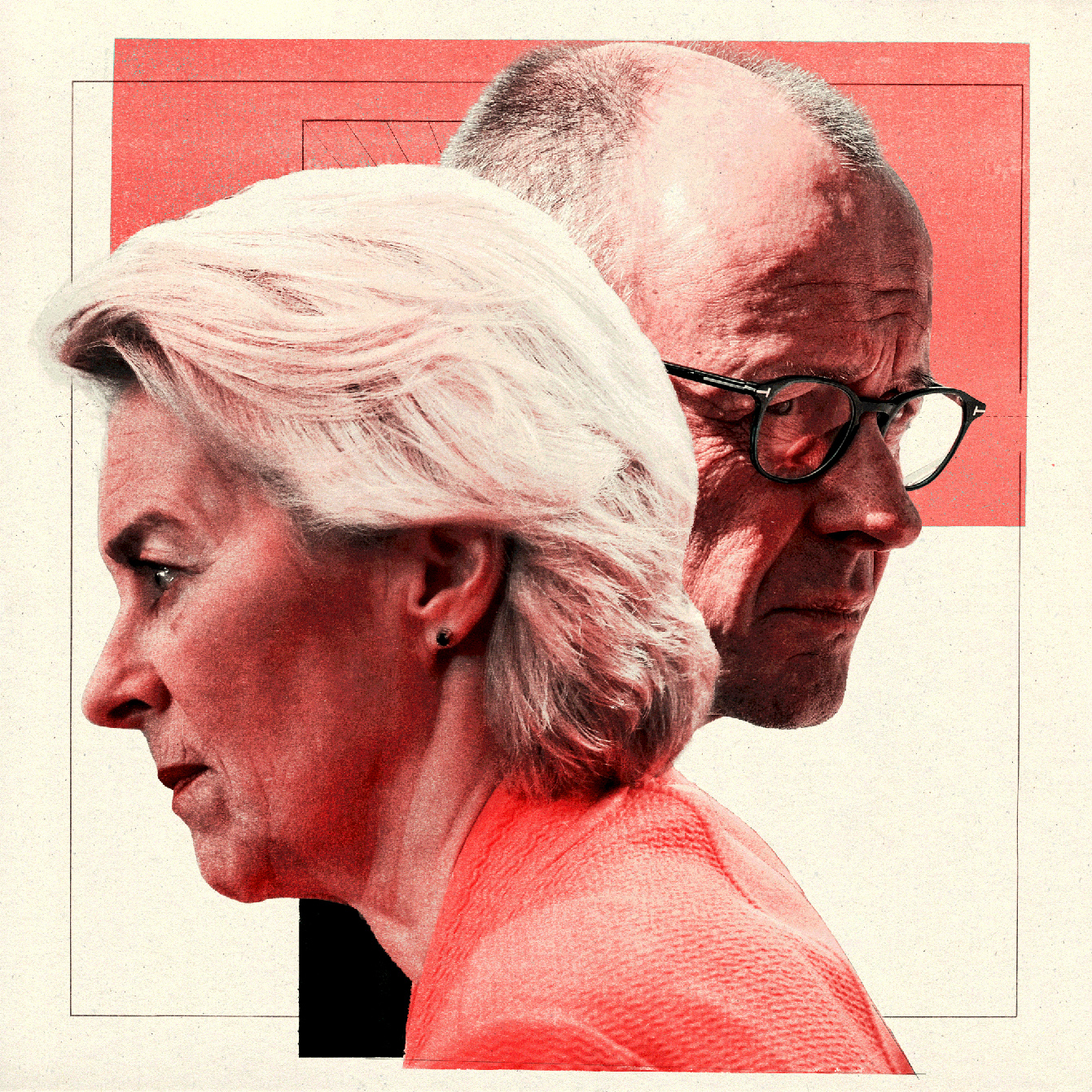
The ongoing clash between the European Union's Commission President Ursula von der Leyen and German Chancellor Friedrich Merz is increasingly evident, as showcased by a dispute over the nomenclature for Canada's potential association with the EU. This dispute is further fueling an existing rift between the two political leaders over how the bloc should operate.
The Commission President Ursula von der Leyen's suggestion to grant Canada "associate member" status has sparked tensions with Berlin, which has vehemently opposed the proposal. The German Chancellor's stance, originally advocated for Ukraine's potential accession to the EU, was met with rejection, including from Ukraine itself.
Consequently, the German government views von der Leyen's approach as a rebuke of its own initiative. This standoff exemplifies the growing divide between von der Leyen and Merz, as Berlin insists on further cuts to the EU's next long-term budget and the Commission President's proposed European Security Council has not gained traction in Germany.
While both sides share similar ideological beliefs, the Canada issue has become a flashpoint that highlights the fundamental differences in their approaches to governing the European Union. The disagreement on terminology underscores the challenge of balancing common institutions with national government interests within the EU framework.
Written by urgent.news from Politico EU's reporting — not their text. Machine-written — may contain errors; check the original before relying on it.