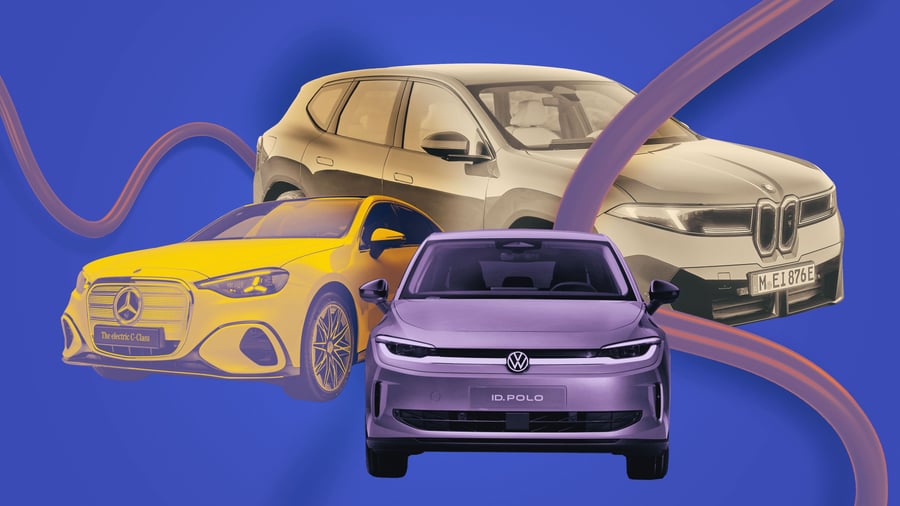
Autoindustrie: Drei Autobauer, vier Gewinnwarnungen: Die Elektrowelle überrollt VW, BMW und Mercedes
Elektro-Boom in Europa, Verbrenner-Kollaps in China: Die Gewinne der deutschen Autobauer sind im dritten Quartal eingebrochen. Besserung ist nicht in Sicht.
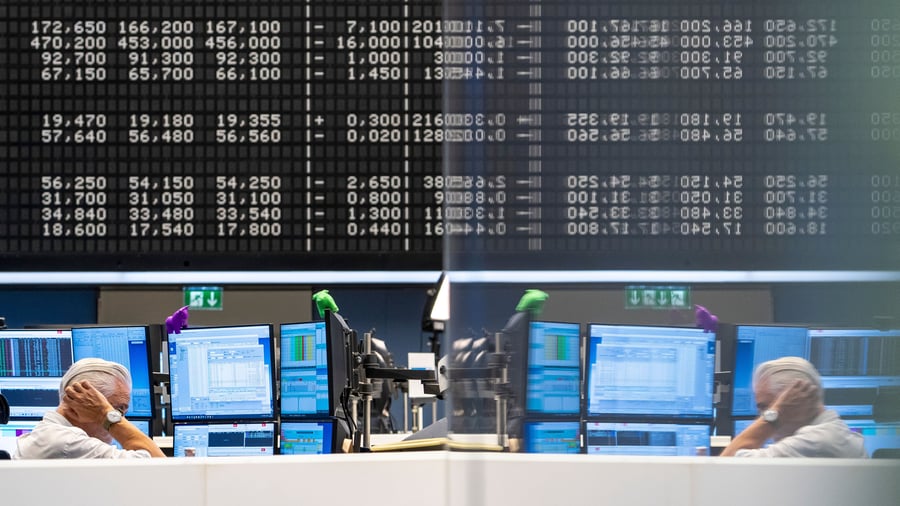
The German automobile industry faces a crisis as Volkswagen, Mercedes-Benz, and BMW have had to adjust their profit forecasts – even BMW twice in less than six months. Together, the conglomerates generated 5.6 billion euros in taxes in the first three quarters, which is 57% less than the previous weak year. The main culprit is the 6.4 billion euro write-off of VW's Porsche subsidiary, which is not revenue-generating but does significantly impact VW's profit.
The situation is not solely due to the decline in business in China, but also the unexpected boom of electric cars in Europe. In the third quarter, electric cars accounted for 26% of sales for the VW core brand Audi, BMW, and Mercedes – up from 19.5% before the year.
The surge in electric vehicle sales is a significant concern for these auto manufacturers, as they have yet to match the costs of producing electric cars to those of conventional ones. High battery expenses contribute to this gap. Furthermore, demand for conventional cars is falling in the key markets of Europe and China. VW CEO Arno Antlitz stated, "Our electric vehicle success is putting additional pressure on our results."
German automotive industry is effectively being outrun by the electric wave. In VW's case, demand for electric cars is at a level it expected for 2029. Mercedes anticipates more electric car sales than predicted, with models already sold out for this year. BMW's new generation of electric cars is so popular that the company might prematurely discontinue some previous models.
This has led to fourth-quarter write-offs and reserve settings, resulting in the second profit warning.
Analysts believe that rising electric vehicle sales are severely impacting profit margins. VW's ID.Cross model shows a margin of 70–80% compared to a comparable gasoline car. Other models have even lower margins. VW expects parity in manufacturing costs only by the end of the decade, with Mercedes only anticipating it in the same timeframe.
The significant electric SUV model GLC, despite strong sales, still suffers from a weaker margin for entry-level segments. Although a popular electric SUV model GLC sold better than gas-powered models in September, large battery sizes make the margin difference between conventional and electric cars particularly stark, according to a senior Mercedes executive.
Written by urgent.news from Handelsblatt's reporting — not their text. Machine-written — may contain errors; check the original before relying on it.
This story
This is one outlet's version. Read the fullest account.