Apple MacBook Pro OLED (2026) Review: The Best Comes at a Cost
The new OLED MacBook Pro comes with an incredible-looking touchscreen display—and an equally eye-popping price.
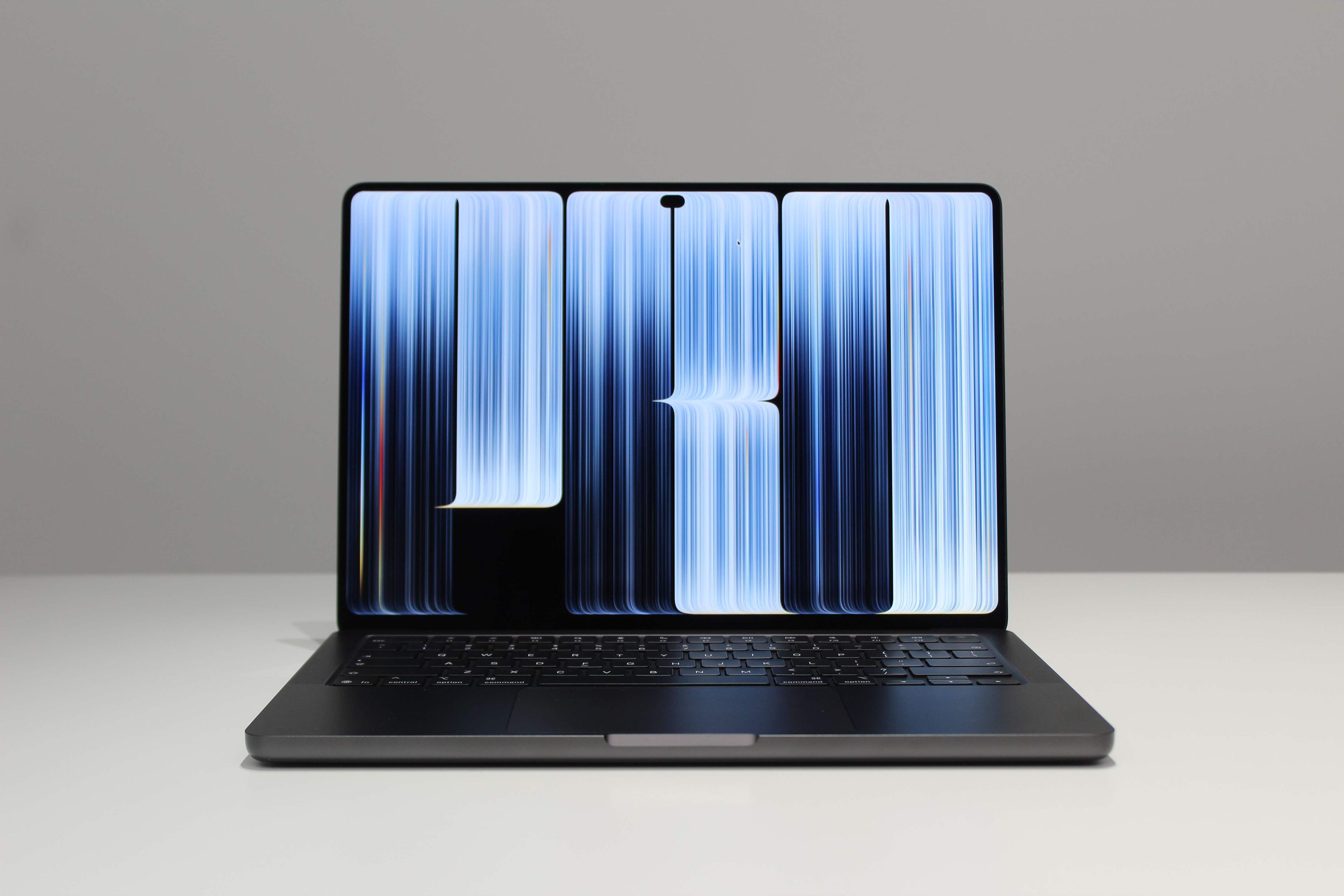
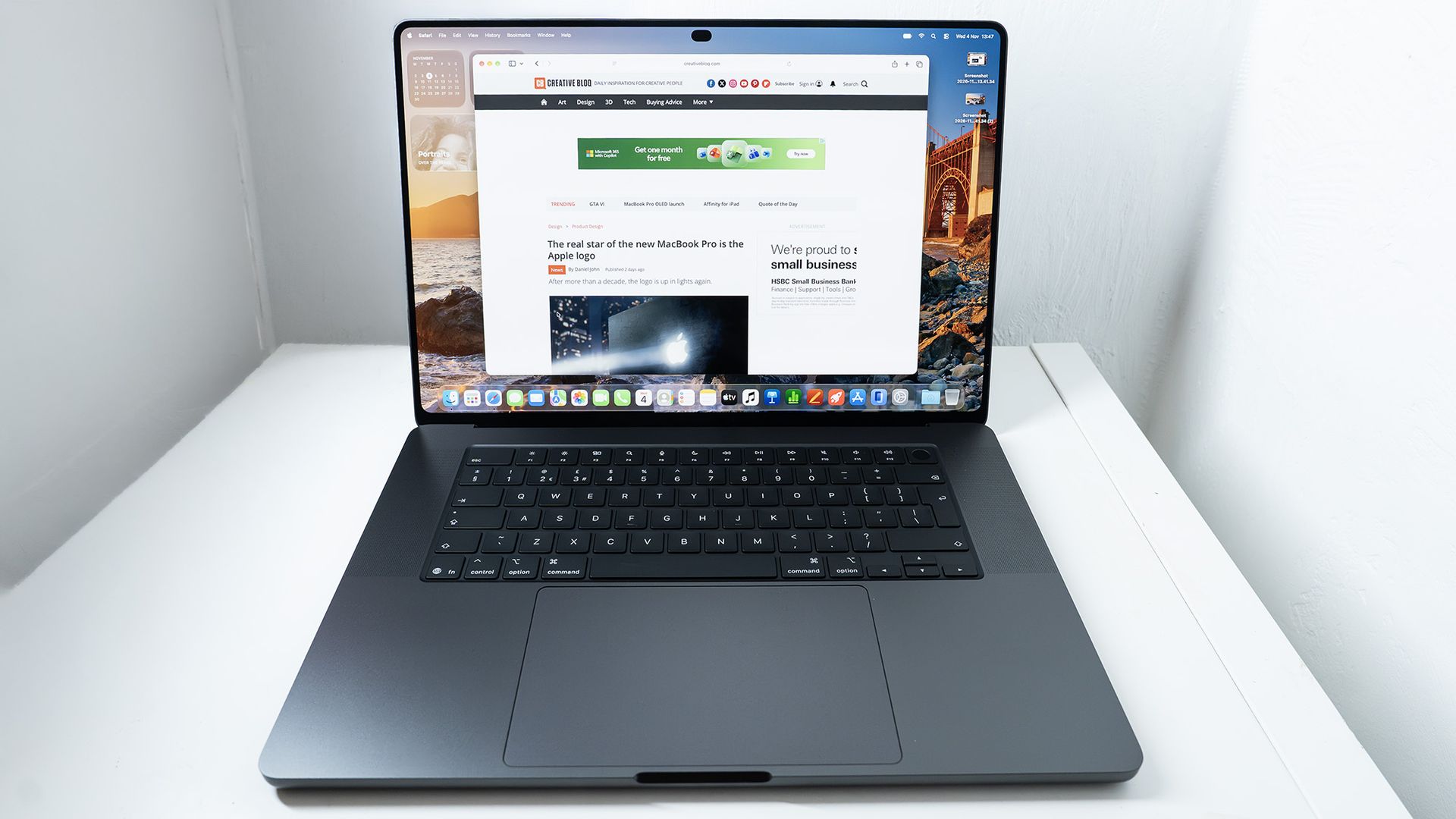
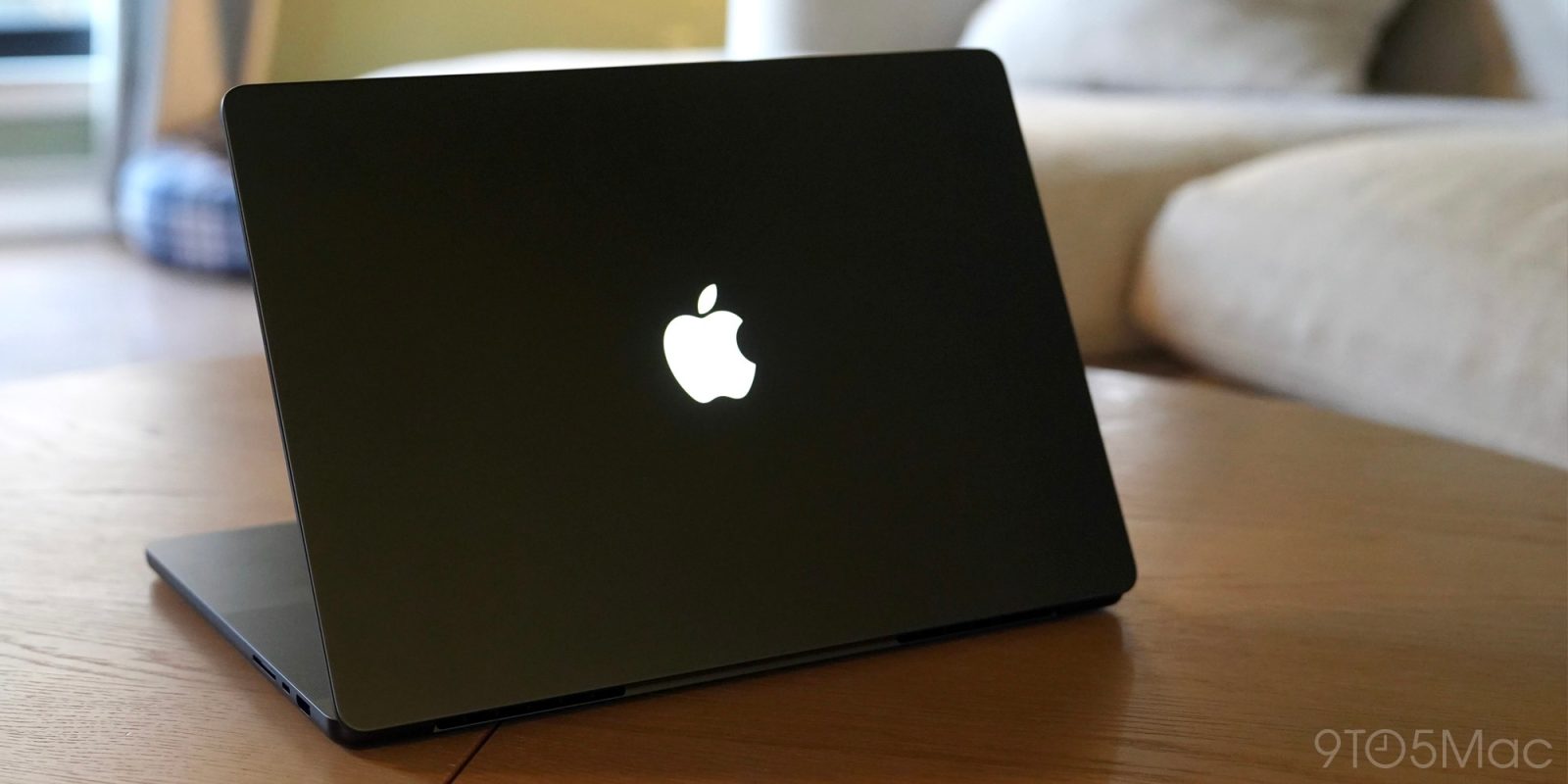
Apple has introduced a MacBook Pro with a touchscreen display, a device that surprised even the reporter who has been working on it. While the touchscreen concept has been met with mixed reactions due to ergonomic concerns in the past, Apple has managed to integrate the feature in a unique way. The OLED MacBook Pro boasts a stunning "PROLED XDR" screen, which, when combined with other improvements like a hole-punch cutout for the webcam and the return of the light-up Apple logo on the lid, marks a significant upgrade over other MacBook models.
However, the OLED variant comes at a premium price, costing nearly $1,000 more than a similarly specced MacBook Pro from the previous year. Despite the higher cost, the OLED MacBook Pro represents the most substantial change since 2021, offering a host of new features and enhancements. The laptop maintains the same sleek design, color options, ports, keyboard, and trackpad as its non-OLED counterpart. The most noticeable visual difference is the glowing Apple logo on the lid, serving as a status symbol.
One of the most significant upgrades is the weight reduction, with the 16-inch OLED model weighing just 4 pounds, making it half a pound lighter than the non-OLED version. This weight reduction is largely attributed to the thinner and lighter OLED layers. The absence of the notch is another welcome change, eliminating an eyesore that had bothered many users for years. The hole-punch camera and the return of the light-up Apple logo further enhance the visual appeal of the OLED MacBook Pro.
Dynamic Island, a feature exclusive to the OLED model, offers interactive Live Activities such as timers or currently-playing music, hiding the punch-hole camera and showcasing narrow bezels. The rubber feet on the bottom have softer, rounded edges, and the bezels around the screen are slightly smaller, contributing to a more refined design.
The OLED MacBook Pro also introduces a brighter display, capable of reaching up to 1,000 nits in standard dynamic range (SDR) and up to 2,000 nits in high dynamic range (HDR) conditions. This makes it the brightest laptop display tested by the reporter.
Under specific circumstances, such as bright outdoor conditions, the OLED screen can reach up to 2,000 nits of peak brightness, particularly when HDR content is displayed. The nano-texture screen upgrade further improves visibility in such situations. The HDR capabilities of the OLED MacBook Pro are impressive, delivering exceptional depth and color in HDR-rendered photos, videos, movies, and games.
While the brightness increase is not as dramatic as that of the latest OLED TVs, the combination of a brighter OLED screen and deep blacks results in outstanding HDR performance, setting a new standard for laptop displays.
Written by urgent.news from Wired's reporting — not their text. Machine-written — may contain errors; check the original before relying on it.