Why a Mathematician Is Chasing Eclipses With Algorithms and Cameras
The sun hangs low over the plains of Castile and León, in the north-central region of Spain. But from a slope of the mountain Pico Trigaza , it appears that a few puffy white clouds have started to block the sun. That’s vexing. A group of researchers, some wearing cardboard eclipse glasses, is clustered around sets of portable telescopes and cameras connected to laptops. All this gear is…
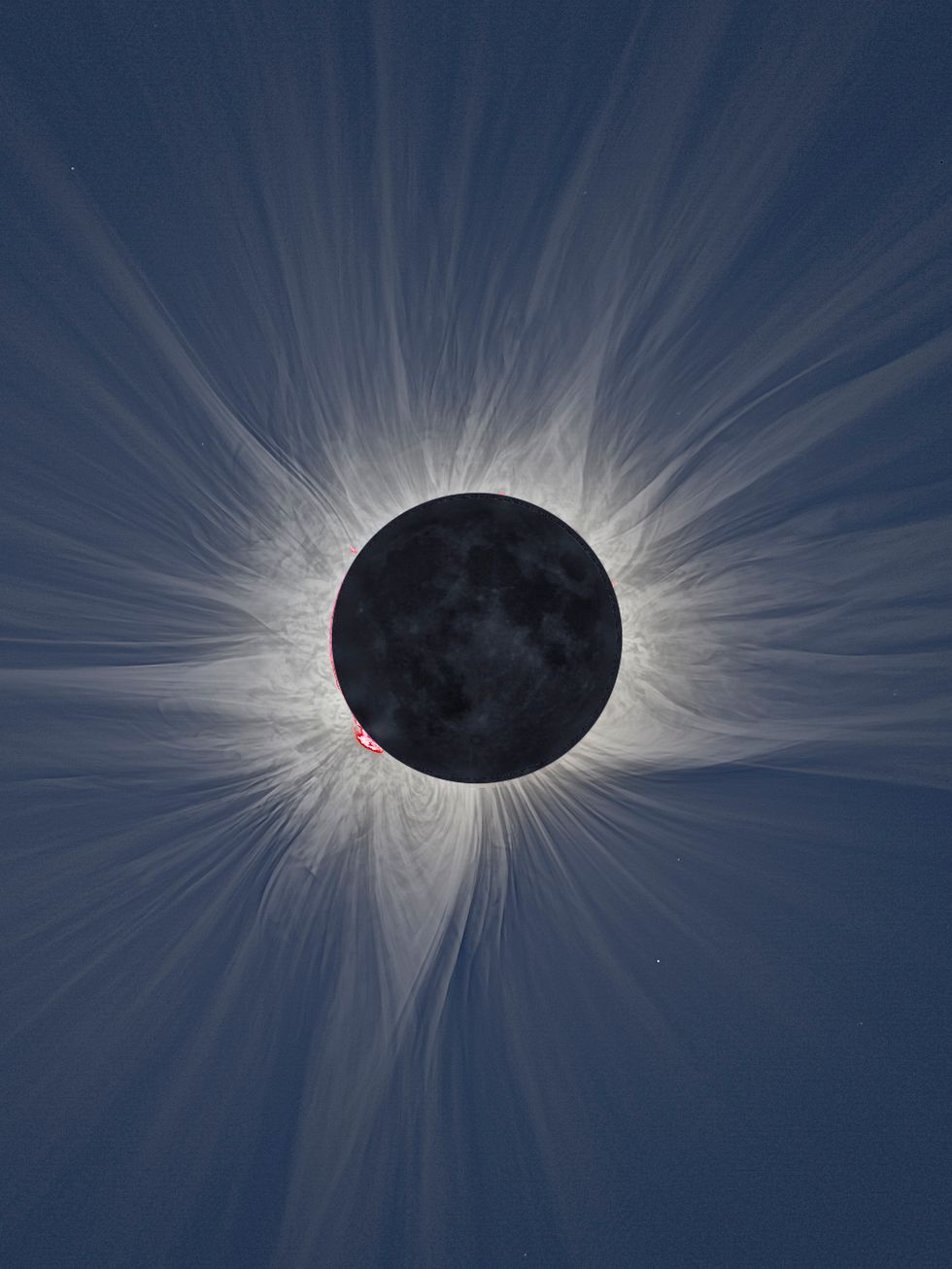
The sun hangs low over Castile and León, Spain, but from Pico Trigaza mountain, a few clouds appear to block the sun. A group of researchers wearing eclipse glasses clusters around telescopes and cameras, anxiously watching the clouds. In 25 minutes, the moon will completely obscure the sun, producing a total solar eclipse. Miloslav Druckmüller, a mathematician and solar eclipse expert, has led the design of an optical instrument with eight cameras to study the corona, the sun's outer atmosphere.
Total solar eclipses offer a rare opportunity to study the corona, which is normally hidden by the sun's glare. Druckmüller has participated in 18 solar eclipses and is getting ready for his 19th.
Written by urgent.news from IEEE Spectrum's reporting — not their text. Machine-written — may contain errors; check the original before relying on it.